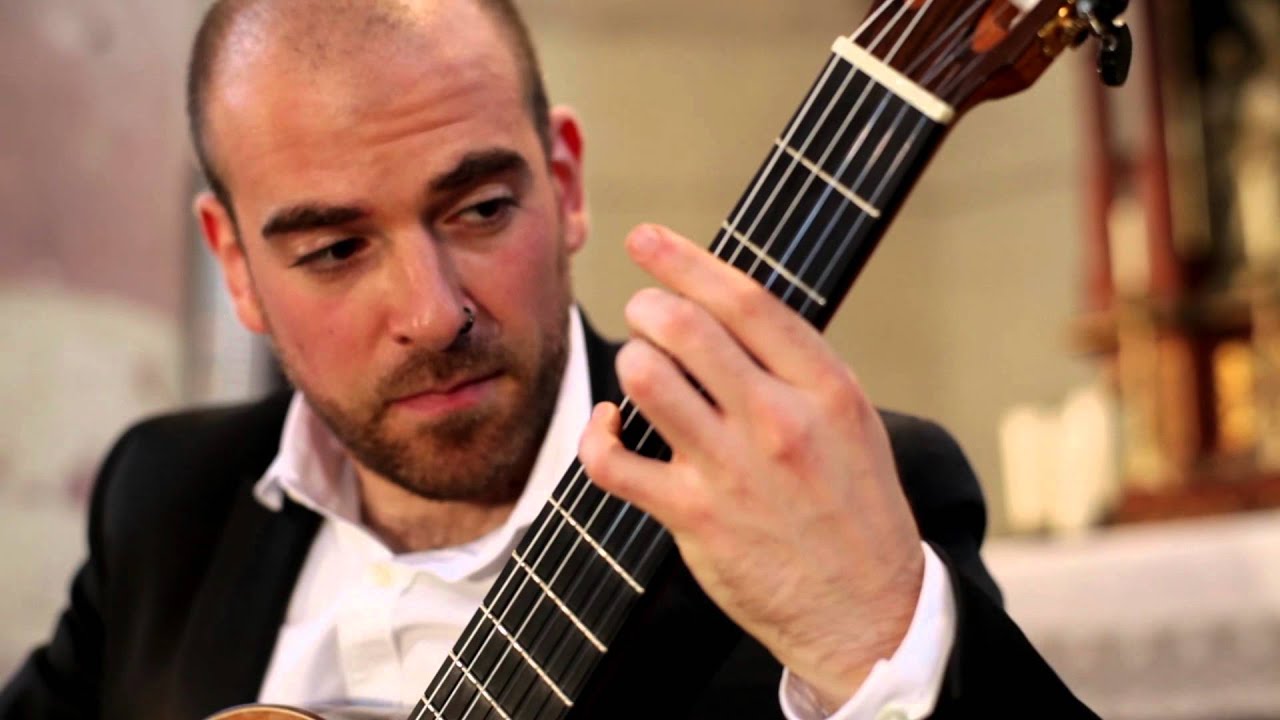
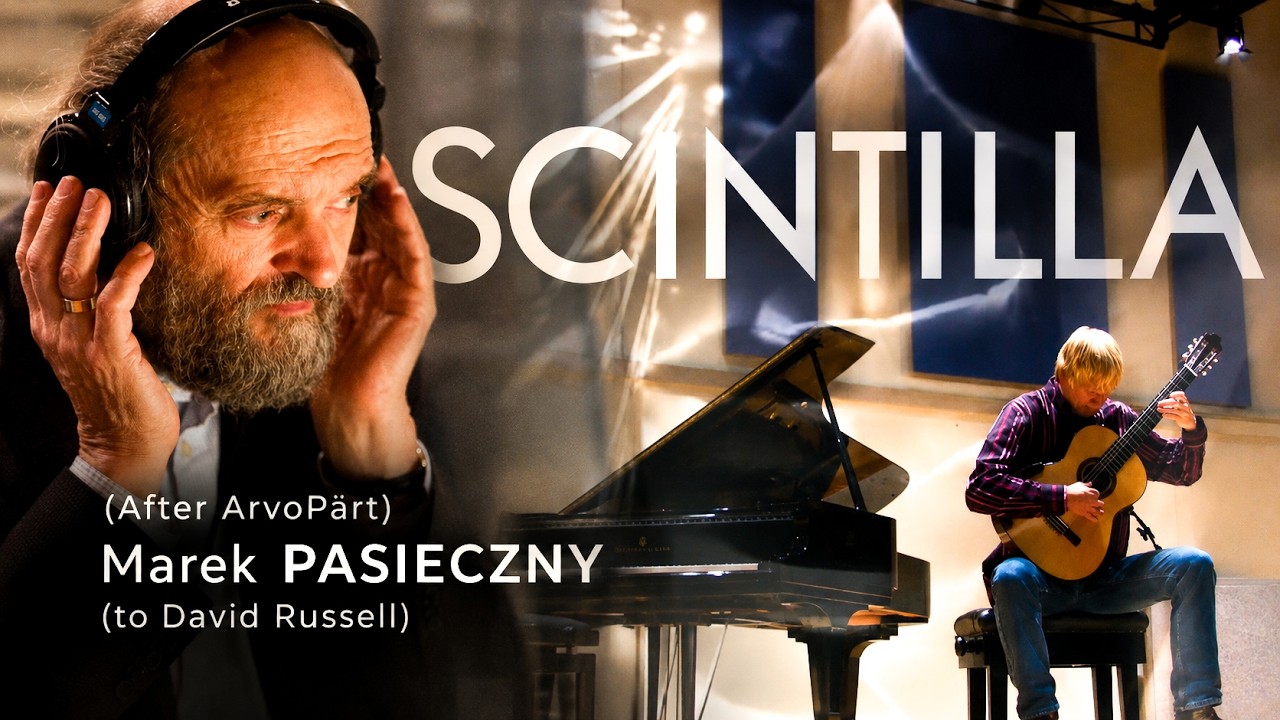
Marek PASIECZNY | Finis Autem Principium Est (Epitaph on John Tavener)
Автор: Marek Pasieczny
Загружено: 2017-03-23
Просмотров: 14773
Описание:
SCORE / DOWNLOAD: https://li.sten.to/FinisAutemSolo
Finis autem principium est (Epitaphium domini Joannis Taveneri)
The End is the Beginning (Epitaph on John Tavener)
-----------------------------------------------------------------------------
Inspiration: John Tavener and the Christian faith
-----------------------------------------------------------------------------
A year after John Taverner’s death I was inspired to write a musical epitaph in memory of his life and death. The idea came to me during the evening of Christmas Eve on December 24th, 2014 after which the main sketches of the composition were completed by the next day on Christmas day December 25th. This led me to write a deeply religious composition to commemorate both him and the religiously significant occasion on which this piece was conceived. Reference to Tavener’s life and the Christian religious faith has thus been carefully interwoven into the essence and structure of the piece.
To begin, two movements form the basis of this piece to reflect the structure of a diptych (from the Greek word δίπτυχον to mean: di "two" + ptychē "fold"). While my Christian faith is of Catholic origin, John Tavener found solace in the Greek Orthodox Church. This was my way to commemorate him even across the divide of our two faiths.
The title of the piece ‘The End is the Beginning’ has thus been presented in both Latin and the old-Greek language used by the Greek Orthodox Church to establish a connection to, and interconnection of, both our faiths. The title also stems from a bible verse taken from Genesis 3 : 19 depicting the circle of life and death, beginning and ending in the same place:
“By the sweat of your face You will eat bread, Till you return to the ground, Because from it you were taken; For you are dust, And to dust you shall return."
This image is further reflected in the structuring of the piece. In both movements, the first 11 bars are mirrored in the 11 closing bars resulting in each movement ending the same way as it had begun. The number 11 is also significant in that it refers to the month in which Tavener had died: November, 2013. The first movement also references Tavener’s birth in that it is the beginning movement, but more significantly that it contains a total of 28 bars representing his birth date 28 January, 1944.
--------------------------------------------------------------------------
Style: Minimalism, The Church, and The Organ
--------------------------------------------------------------------------
In keeping with the theme of intertwining Tavener’s life with the Christian religious faith, the style of this piece is written with a sacred minimalist quality. ‘Sacred minimalism’ is a term used to describe the musical works of a number of late-twentieth-century composers of Western classical music, including Tavener. Their compositions are distinguished by a minimalist compositional aesthetic (repetition and iteration) and a distinctly religious or mystical subject focus.
The minimalism component in this piece manifests itself in several ways. Firstly, I returned to the E minor key (after a long time avoiding it), which is the simplest and most rudimentary key for the classical guitar in its natural configuration. In the first movement, a pattern of two successive minor thirds based on the E minor chord is constantly reiterated between other materials. In the second movement, minimalism is applied through the use of block-bars that is to be repeated at the discretion of the performer.
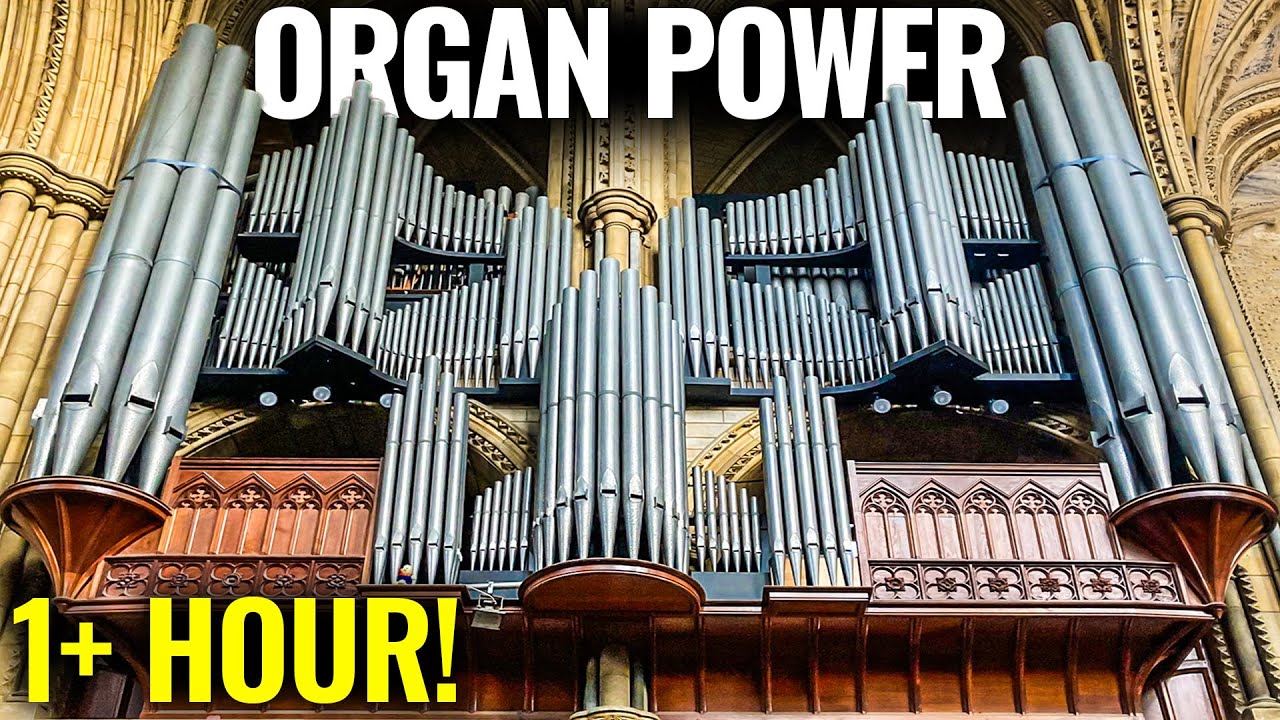
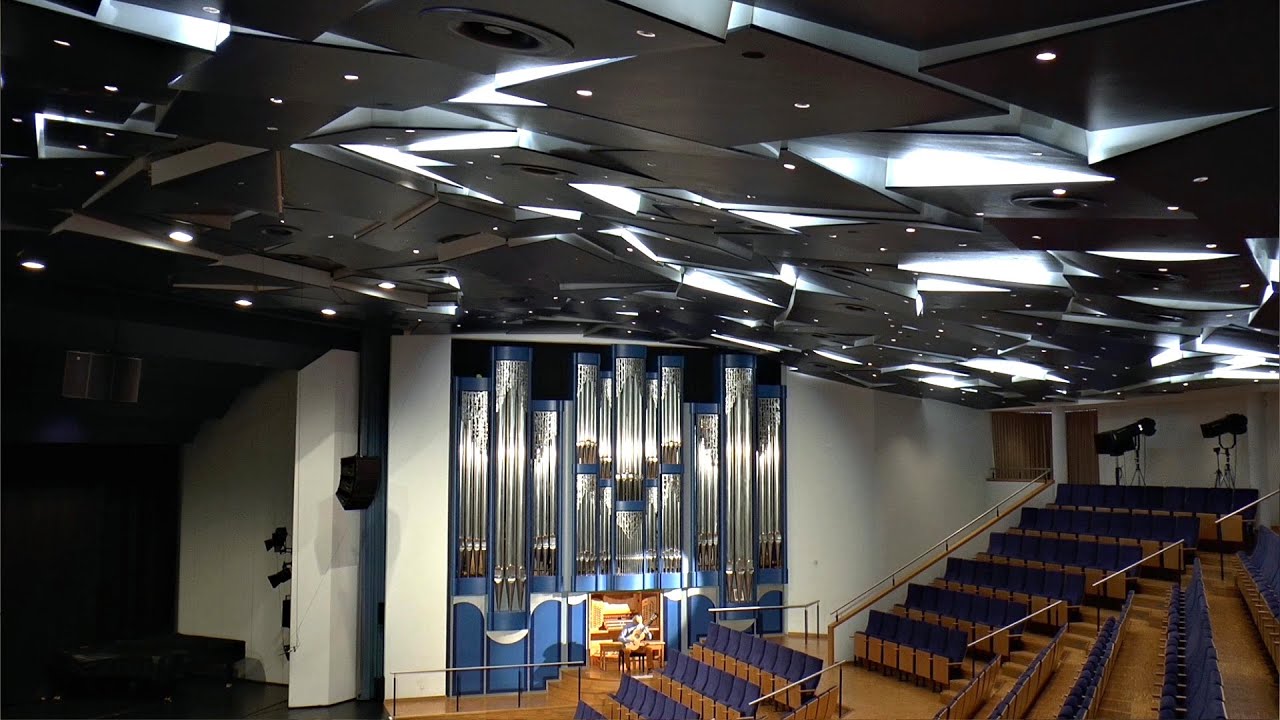
However, beyond each minimalistic construction, there is a higher sacred association. Although the piece had been composed in E minor, it does not follow the original tuning system of the classical guitar. Instead, I adopted an extreme tuning system whereby I re-tuned the 5th string down to E and the 6th string down to an octave-lower E (presented in the bass clef) to extend the guitar’s range to incorporate an extra octave. This was to accommodate the depth I wanted to achieve, both in terms of spiritual depth, but also in terms of replicating the sonic depth of the organ. The organ has long been associated with the church and sacred music, but an extra dimension here is that Tavener himself played the organ as a teenager which marked the beginning of his journey towards spiritual truth.
The association with the church and organ has been subtly enfolded into the materials of the composition. In the first movement, the minimalist reiterated pattern of two minor thirds signifies distant church bells; while in the second movement, the organic breath and sustaining power of the organ is translated to the guitar via dynamic waves of repeated arpeggios.
MAREK PASIECZNY
London, The United Kingdom
#classicalguitar #marekpasieczny
Повторяем попытку...
Доступные форматы для скачивания:
Скачать видео
-
Информация по загрузке: