Scarlet Ibis - World of Birds 4K
Автор: Eswaranisai
Загружено: 2022-05-30
Просмотров: 960
Описание:
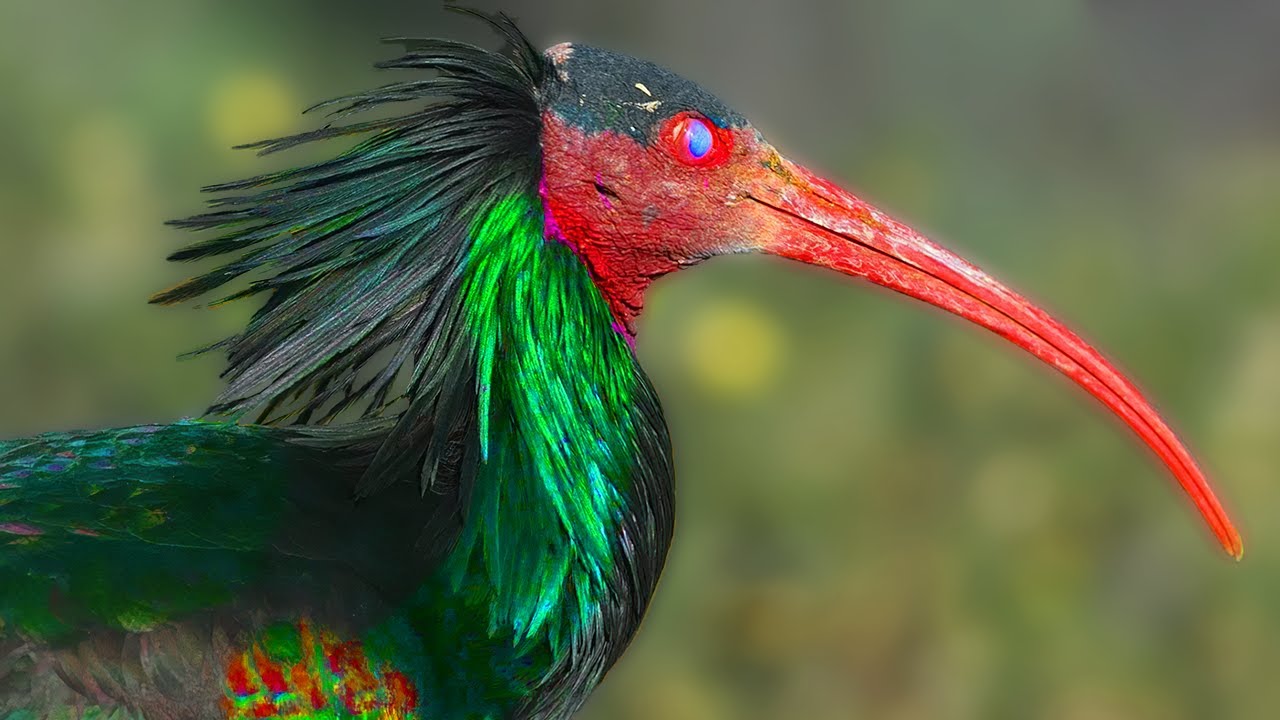
The ibis bird belongs to the class Aves, the order Pelecaniformes, and the family Threskiornithidae. They are further subclassified into 12 different genera, and 28 extant species of the bird are found across them. The term “ibis” was the traditional word that was used for this group of birds in both Latin and Ancient Greek. The word “ibis” is also related to the Egyptian term “hab,” which means “sacred bird.”Ibises vary by appearance from one species to the next. However, these wading birds tend to average between 22 and 30 inches in length. The largest species, the giant ibis, averages more than three feet in length and weighs an average of 10 pounds. Female ibises tend to be smaller than males, typically weighing about 10 ounces less and possessing smaller bills and shorter wings.
Despite variations in appearance across species, all ibis animals have football-shaped bodies and long legs and toes. Their long, down-curved bills are used to probe mud and water for food. Interestingly, baby ibises’ bills are straight at birth and start curving downward around 14 days after birth.
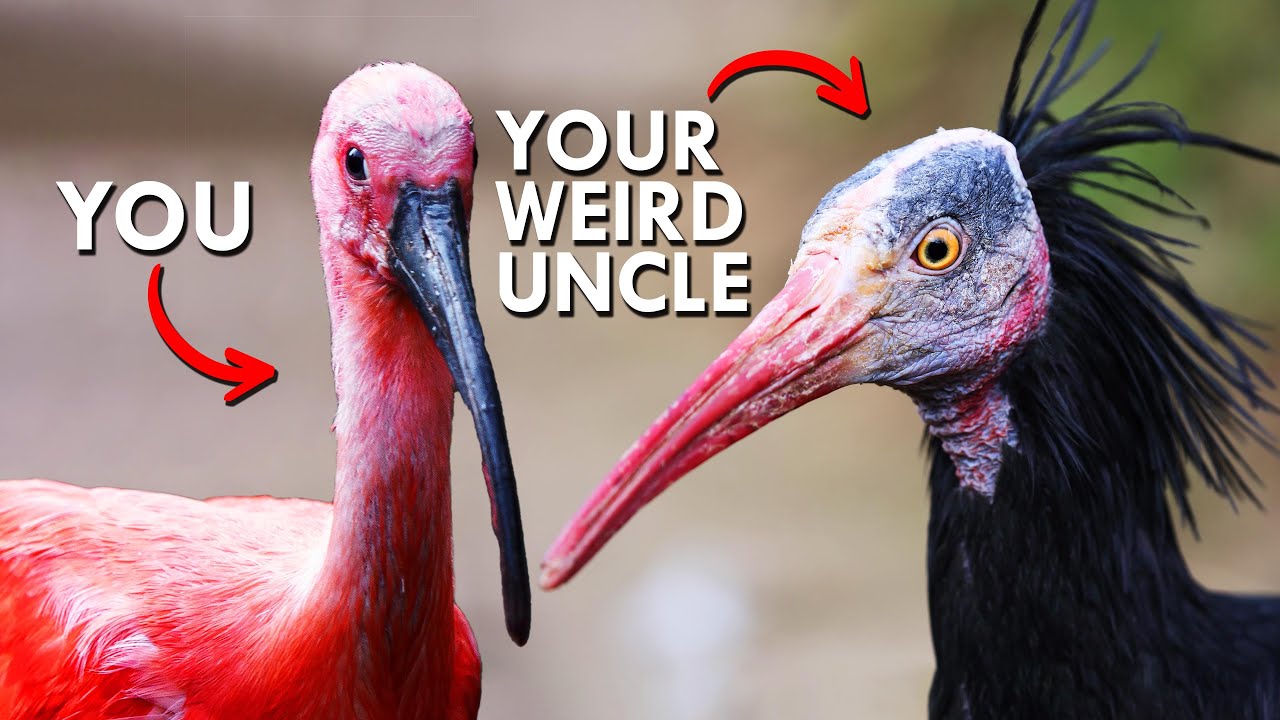
Ibises vary in color from species to species, and their coloring is also determined by their dietary habits and habitat. For example, the scarlet ibis’s bright pink coloring comes from the fact that it consumes large volumes of shrimp. Most ibises have bald heads or faces, and the underlying skin turns bright red during breeding season.
These wading birds’ bills are specially designed to help them to probe the ground for food. Their nostrils are located at the base of the bill instead of the tip, which allows them to keep breathing while probing. They also use sensitive feelers within their bills to identify food that they find, eliminating the need to drop the food and look at it first.
Most species of ibis are typically silent. However, during breeding season, they may wheeze, squeak, or breathe loudly to make their presence known. Female ibises also sometimes use a special sound to summon their young.
Social birds, ibises typically live together in large flocks. Primarily active during the day, flocks of ibises spend the daylight hours feeding, resting, and preening. All extant species of the bird are capable of flight, and they fly together in flocks from roosting sites to feeding sites and back again. They sometimes fly in straight-line formations and sometimes in V-shaped formations. Incredibly ibises in flight beat their wings in unison and even transition between flapping and gliding at the same time. While in flight, ibises keep their necks and legs extended, alternating between flapping and sailing.
Ibises build compact nests, usually out of sticks, in low areas of bushes and trees. Some species even build them up on steep cliffs. They nest together in large groups that can consist of hundreds to thousands of breeding pairs.
#birds #worldofbirds #scarletibis
Повторяем попытку...

Доступные форматы для скачивания:
Скачать видео
-
Информация по загрузке:







![Day 7- Jericoacoara To Parnaiba | Self Drive | River Crossing | Bird Watching | Scarlet Ibis in [4K]](https://imager.clipsaver.ru/Tgq5mOkFGo4/max.jpg)