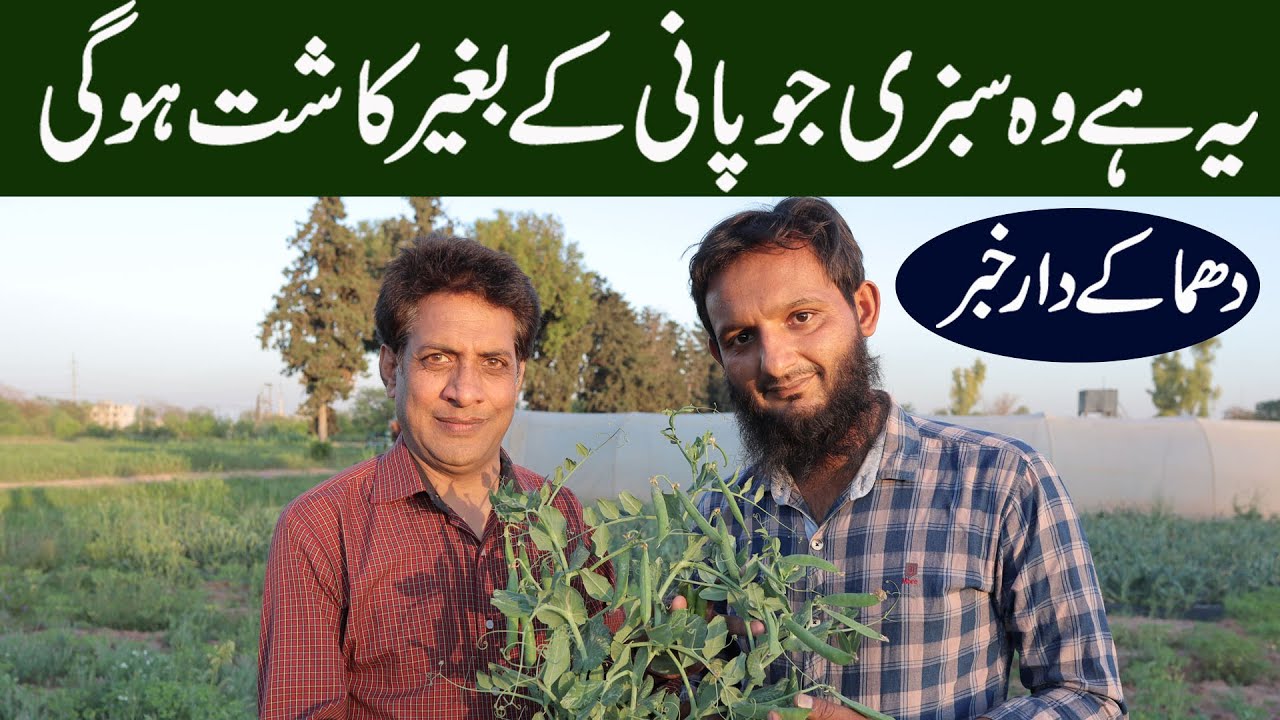
Successfully Developed New Green Pea Seed for Arid Zones | Achievement of BARI Chakwal
Автор: Arshad VLOG
Загружено: 2024-04-09
Просмотров: 53648
Описание:
The development of new green pea seeds, like any crop improvement process, is a strategic blend of plant breeding, biotechnology, and agronomic practices aimed at enhancing yield, disease resistance, climate adaptability, and nutritional values. Here's a generalized overview of the process involved in developing new green pea (Pisum sativum) varieties:
1. Setting Objectives
The first step is identifying the goals for the new variety. Objectives might include improving yield, resistance to specific pests and diseases, tolerance to environmental stresses (drought, heat, cold), improving nutritional content, or specific traits desired by farmers and consumers (such as pod size, pea color, and taste).
2. Genetic Resource Collection and Evaluation
This involves gathering a wide range of genetic material from existing pea varieties, including wild relatives, traditional cultivars, and genetically modified lines that may possess desirable traits. This genetic pool is evaluated under different environmental conditions to identify promising candidates.
3. Cross-Breeding
Selected parent plants with complementary traits are cross-bred to combine desirable characteristics. This traditional breeding technique may be enhanced with marker-assisted selection (MAS), where molecular markers are used to identify plants carrying genes for specific traits, speeding up the selection process.
4. Mutagenesis
In some cases, mutagenesis is used to induce genetic mutations and create new genetic variations. This can be achieved through chemical treatment, radiation, or gene editing techniques like CRISPR/Cas9. Plants showing new beneficial traits are selected for further development.
5. Biotechnological Approaches
Genetic engineering can introduce new genes directly into the pea plant to confer desired traits such as pest resistance or nutritional improvements. This approach requires regulatory approval in many countries due to concerns over GMO (Genetically Modified Organisms) crops.
6. Field Testing and Selection
Promising lines from the breeding program are grown in controlled and field conditions to assess their performance in various environments. This phase involves rigorous testing for yield, quality, resistance to diseases and pests, and other agronomic traits. Data collected from these trials help in selecting the best performing lines.
7. Regulatory Approval and Commercialization
If the new pea variety involves genetic modification, it must undergo regulatory review to ensure it is safe for the environment and human consumption. Once approved, the variety can be multiplied, registered, and commercialized.
8. Seed Production and Distribution
Selected varieties are grown under controlled conditions to produce seeds. These seeds are then distributed to farmers. The introduction of a new variety often includes training and support for farmers to optimize growing practices.
9. Monitoring and Improvement
After release, the performance of the new variety is monitored in real-world agricultural settings. Feedback from farmers and other stakeholders is important for ongoing improvement and may inform future breeding objectives.
The development of new pea varieties is a dynamic field, integrating traditional plant breeding techniques with cutting-edge biotechnology to meet the evolving needs of agriculture and food systems. This process can take several years to decades from initial concept to commercial release, reflecting the significant investment in research, development, and testing to ensure the new varieties meet the desired standards of performance and safety.
=====================================
Facebook: / arshadvlog
Instagram: / arshadvlog
TikTok: Arshad VLOG
=====================================
#arshadvlog #pakistan #farming
Повторяем попытку...
Доступные форматы для скачивания:
Скачать видео
-
Информация по загрузке: