THE SHOCKING TRUTH BEHIND GM OUTLAW ZORA ARKUS DONTOV
Автор: Rare Car Storys
Загружено: 2026-02-06
Просмотров: 3785
Описание:
General Motors OUTLAW Engineer Zora Arkus Duntov, in a must watch video! Learn about the history and controversy surrounding this GM Visionary
often called the “Father of the Corvette” was a Russian‑born engineer and racer who joined Chevrolet in the 1950s and transformed the Corvette from a modest sports car into a serious performance icon. He championed fuel injection, high‑lift camshafts, disc brakes, and mid‑engine layouts long before they became mainstream.
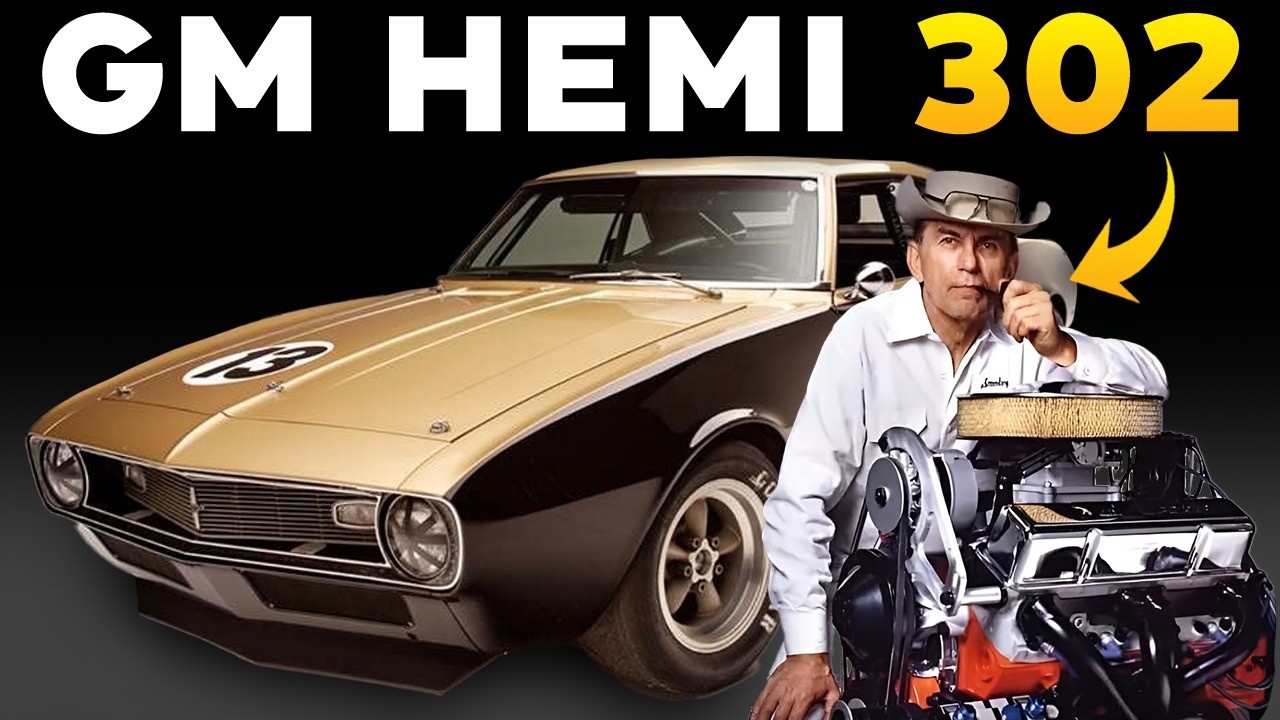
he even created a FORD HEMI engine , but ford ignored the design
he secretly pushed Corvette racing and performance projects far beyond what GM officially allowed, often skirting corporate rules and even government‑driven “gentleman’s agreements” that banned factory motorsport.
The “outlaw” label comes from how he defied GM’s internal ban on racing in the early 1960s, secretly developing the legendary Corvette Grand Sport lightweight racers to beat Ford’s Cobra. When GM ordered him to stop the project and destroy the cars, he instead handed some over to private racers and hid others, effectively smuggling a factory‑backed race program past corporate oversight.
GM was under antitrust pressure and had signed an agreement not to support racing, so Duntov’s covert work risked legal and political fallout.
He also bent or ignored safety and regulatory boundaries (for example, pushing extreme performance on public‑road‑based Corvettes), which many insiders saw as dangerously aggressive.
Duntov acted like an underground hot‑rodder inside a giant corporation, using stealth, persuasion, and sheer engineering brilliance to force the Corvette into becoming a world‑class sports car against the wishes of GM’s top brass
AAMERICAN Car History, Season 1
The Ford 427 side oiler engine That silenced Enzo Ferrari 1966
• The Ford 427 side oiler engine That silenc...
The Ford 289 Gurney Weslake engine That silenced Porsche
• The Ford 289 Gurney Weslake engine That si...
The shocking truth behind Mopar bulletproof 225 Slant Six engine
• The shocking truth behind Mopar bulletproo...
The Shocking Truth Behind the Ford Deadly 255 indy engine
• The Shocking Truth Behind FORD's Deadly 25...
The shocking truth behind Smokey Yunick Hemi head Camaro 1968
• The shocking truth behind Smokey Yunick He...
The shocking truth behind Chevrolet Banned 427 L88 ENGINE!
• The shocking truth behind Chevrolet Banned...
The shocking Truth Behind FORDs Banned 351 Cleveland Engine
• The Shocking Truth Behind FORDs Banned 351...
The Shocking Truth behind Pontiac Banned 421 Super Duty Engine!
• The Shocking Truth behind Pontiac Banned 4...
The Shocking Truth behind Chevrolet Banned 396 Big Block Engine!
• The Shocking Truth behind Chevrolet Banned...
The Shocking Truth behind FORDs Banned 427 Cammer Engine!
• The Shocking Truth behind FORDs Banned 427...
The Shocking Truth Behind Chevrolet's Banned 427 Mystery Motor
• The Shocking Truth Behind Chevrolet's Bann...
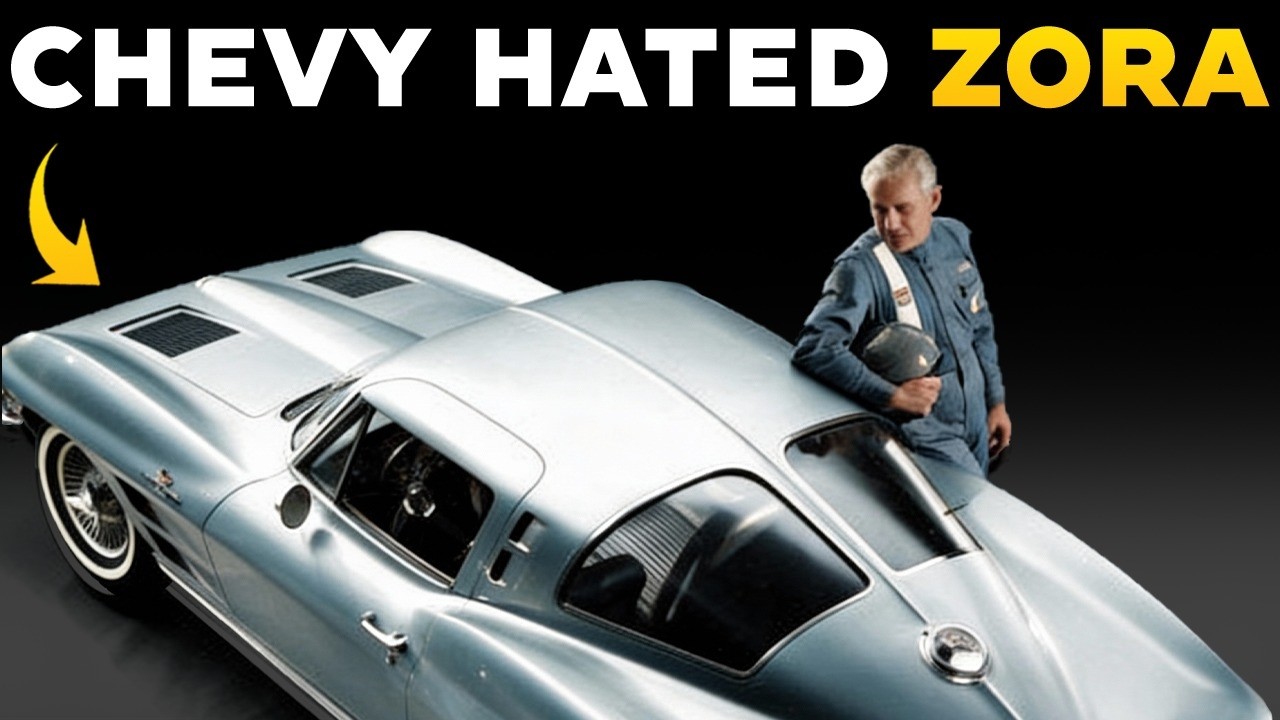
The secret lightweight Corvette project you’re asking about is the 1963 Corvette Grand Sport, internally known as “The Lightweight.” It was Zora Arkus‑Duntov’s clandestine effort to build a true factory‑backed race‑Corvette capable of beating Ford and Shelby on the world stage, even though GM had officially banned factory motorsport.
The goal was to build 125 lightweight Corvettes to homologate a factory‑spec GT racer for events like Le Mans and Sebring, but only five cars were completed before GM shut it down.
Engineering and weight savings
The Grand Sport used thinner fiberglass body panels, an aluminum tubular space frame, and extensive use of aluminum and magnesium components (including wheels), dropping curb weight to about 1,900 lb, roughly 1,100 lb lighter than a stock C2 Corvette.
The body was slightly smaller than the production Sting Ray but with wide fender flares to fit racing tires, and even the paint was applied thinner to save every ounce.
Powertrain and performance
Engines were small‑block V8s enlarged to around 377–550 cubic inches, tuned to roughly 485–550+ hp, far beyond anything in a showroom Corvette at the time.
In testing, the car reportedly ran lap times comparable to contemporary Formula 1 machines and reached around 198 mph at Daytona in 1966‑style setups.
Duntov managed to save five completed Grand Sports, which he quietly distributed to private teams (including Gulf‑backed and John Mecom operations) so they could race anyway.
Racing legacy of the five cars
At Nassau Speed Week 1963, Roger Penske’s Grand Sport qualified on the front row and finished 4th overall, beating factory Ferraris and Porsches.
At Sebring 1964, Grand Sports battled Shelby’s Cobra Daytona Coupes, and by 1966 a Duntov‑backed car finished 3rd overall at Sebring, proving the concept could compete with Europe’s best.
Today those five original Grand Sports are among the rarest and most valuable Corvettes ever made, often selling for many millions of dollars at auction.
.Join this channel to get access to perks:
/ @rarecarstorys
Повторяем попытку...
Доступные форматы для скачивания:
Скачать видео
-
Информация по загрузке: