Weather IQ: Doppler radar
Автор: WCNC Charlotte Weather IQ
Загружено: 2021-08-24
Просмотров: 1025
Описание:
How radar works
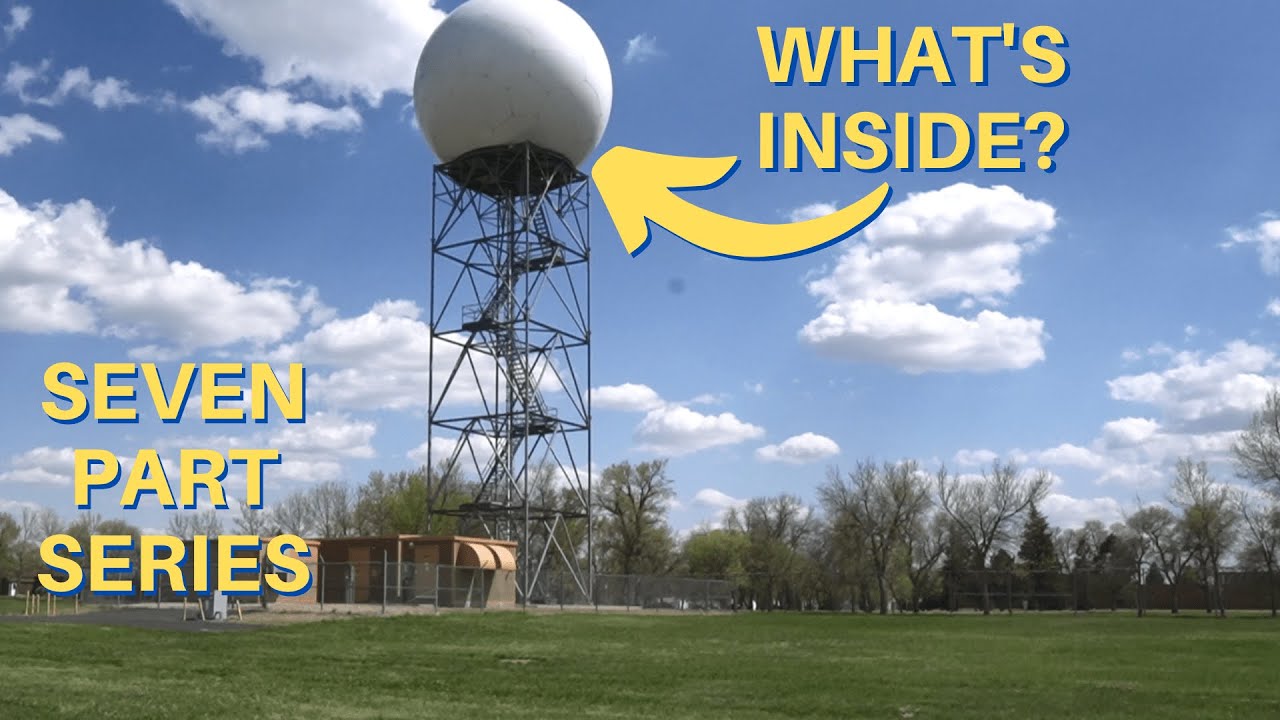
The basics of radars is that a beam of energy, called radio waves, is emitted from an antenna. As they strike objects in the atmosphere, the energy is scattered in all directions with some of the energy reflected directly back to the radar.
The larger the object, the greater the amount of energy that is returned to the radar. That provides us with the ability to "see" rain drops in the atmosphere. In addition, the time it takes for the beam of energy to be transmitted and returned to the radar also provides is with the distance to that object.
Doppler radar
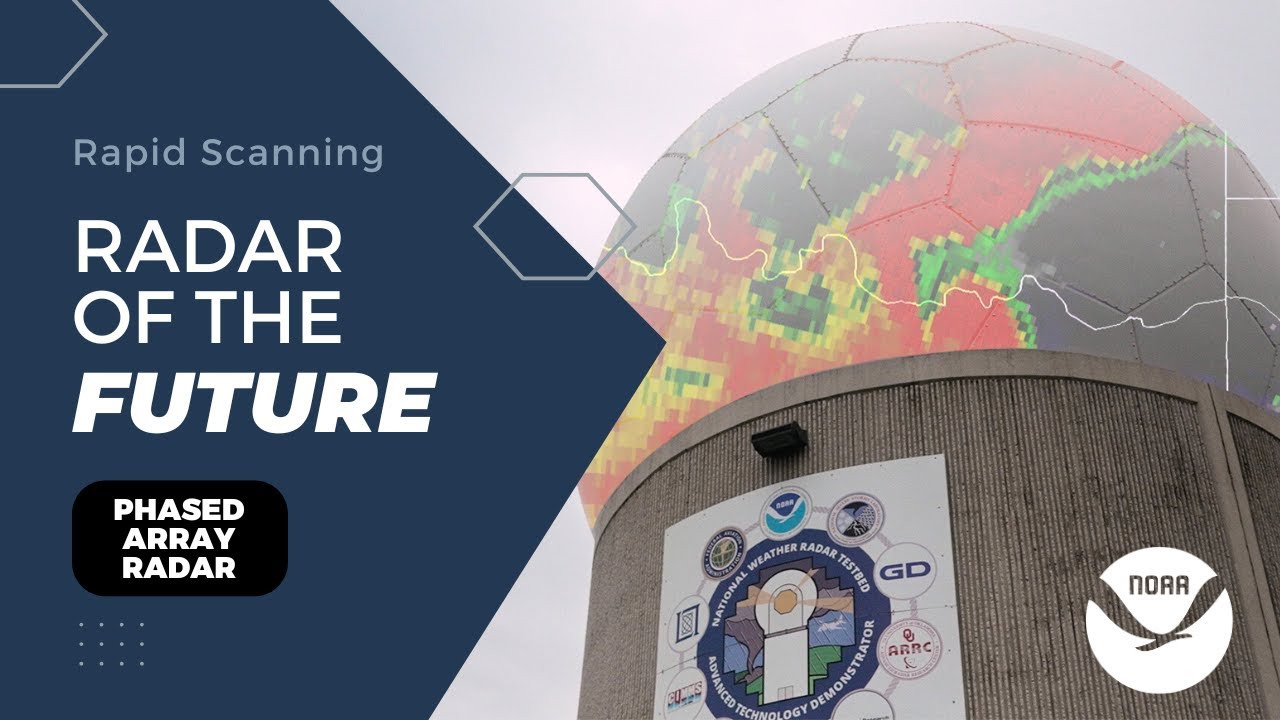
By their design, Doppler radar systems can provide information regarding the movement of targets as well as their position. When the WSR-88D transmits pulses of radio waves, the system keeps track of the phase (shape, position, and form) of those pulses.
By measuring the shift (or change) in phase between a transmitted pulse and a received echo, the target's movement directly toward or away from the radar is calculated. This then provides a velocity along the direction the radar is pointing, called radial velocity. A positive phase shift implies motion toward the radar and a negative shift indicates motion away from the radar.
#weather #education #learning
Weather IQ is powered by the meteorologists and forecasters at WCNC Charlotte in North Carolina. This channel is dedicating to forecasting, explaining, and educating weather, climate, and atmospheric science to everyone, including teachers, students, and more.
SUBSCRIBE TO THE CHANNEL: / @wcncweatheriq
SEE THE WCNC CHARLOTTE WEATHER FORECAST ANYTIME: https://wcnc.com/weather
GET SEVERE WEATHER ALERTS. DOWNLOAD THE WCNC CHARLOTTE APP: https://wcnc.com/appredirect
Повторяем попытку...

Доступные форматы для скачивания:
Скачать видео
-
Информация по загрузке:






![Пожалуй, главное заблуждение об электричестве [Veritasium]](https://imager.clipsaver.ru/6Hv2GLtnf2c/max.jpg)
![Челябинский метеорит мы пропустили. Пропустим и другие? [Veritasium]](https://imager.clipsaver.ru/nZRnAC_XJI4/max.jpg)