Types of Spinal Cord Injury: Covering Basic Anatomy, Treatment, and Recovery from Spinal Cord Injury
Автор: SpinalCord
Загружено: 2020-09-22
Просмотров: 23248
Описание:
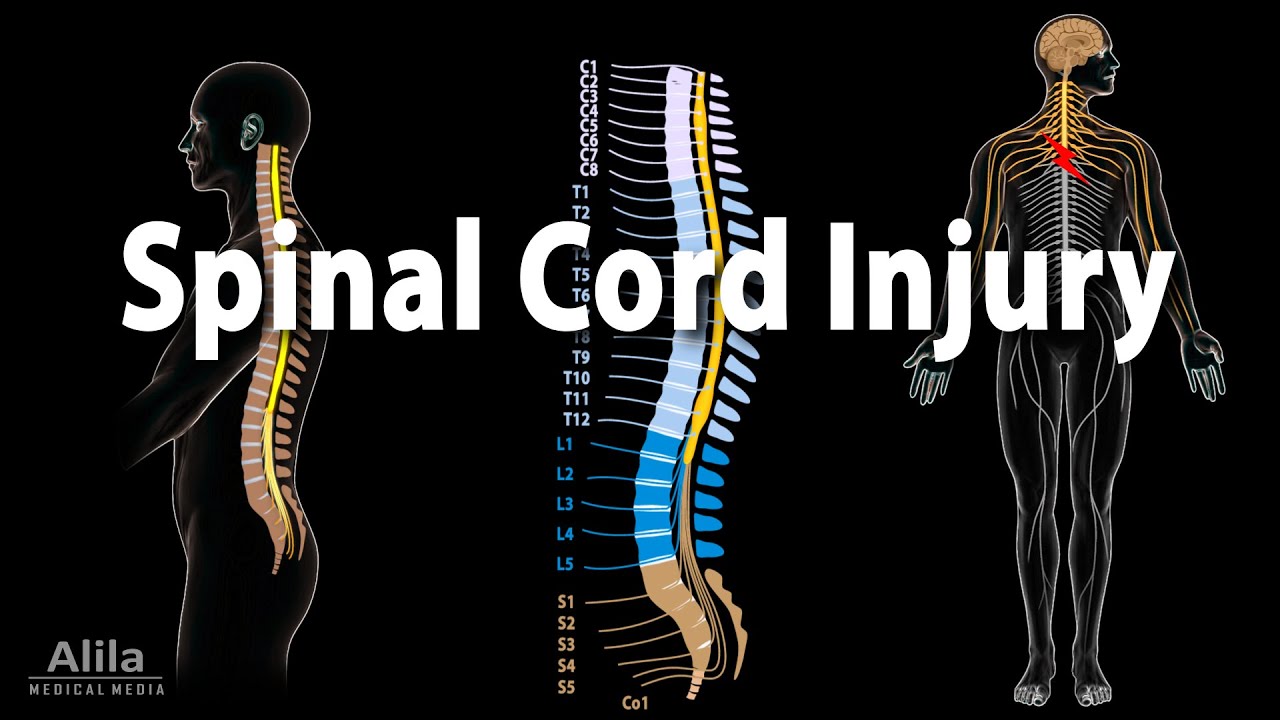
Spinal Cord Anatomy
• The cervical spinal cord: This is the topmost portion of the spinal cord, where the brain connects to the spinal cord, and the neck connects to the back. This region consists of eight vertebrae, commonly referred to as C1-C8.
• The thoracic spinal cord: This section forms the middle of the spinal cord, containing twelve vertebrae numbered T1-T12.
• The lumbar spinal cord: This is a lower region of the spinal cord, where your spinal cord begins to bend. There are five lumbar vertebrae, numbered L1-L5.
• The sacral spine: This is the lower, triangle-shaped region of the spine, also with five vertebrae. There is no actual spinal cord in this section, it is made up of nerve roots which exit the spine at their respective vertebral levels.
Spinal Cord Injury Types
Complete Spinal Cord Injuries
Complete SCIs are the most serious and occur when the spinal cord is injured, eliminating the brain’s ability to send signals below the injury site. For an injury impacting the lumbar spinal cord, for example, it can lead to paralysis below the waist while preserving your motor functions in your upper body and arms (paraplegia). For complete injuries in the cervical spine, however, this often leads to a loss of motor function in the lower and upper body (tetraplegia, which is also known as quadriplegia).
Incomplete Spinal Cord Injuries
Incomplete SCIs commonly result from compression or damage being inflicted to the spinal cord that reduces the brain’s ability to send signals below the injury site. Because of the partially-compromised condition of the spinal cord, incomplete injuries vary drastically from person to person. Some sensory and motor functions may be slightly compromised in some or nearly eliminated in others. Additionally, some incomplete injuries result in triplegia, or the loss of sensation and movement in one arm and both legs.
Some of the most common types of incompleteinjuries include:
• Anterior cord syndrome: This type of injury, to the front of the spinal cord, damages the motor and sensory pathways in the spinal cord. You may retain some sensation, but struggle with movement.
• Central cord syndrome: This injury is an injury to the center of the cord, and damages nerves that carry signals from the brain to the spinal cord. Loss of fine motor skills, paralysis of the arms, and partial impairment—usually less pronounced—in the legs are common.
• Brown-Sequard syndrome: This variety of injury is the product of damage to one side of the spinal cord. The injury may be more pronounced on one side of the body; for instance, movement may be impossible on the right side, but may be fully retained on the left.
The most common types of spinal cord injuries include:
• Tetraplegia: These injuries, which are the result of damage to the cervical spinal cord, are typically the most severe, producing varying degrees of paralysis of all limbs. Sometimes known as quadriplegia, tetraplegia eliminates your ability to move below the site of the injury.
• Paraplegia: This occurs when sensation and movement are removed from the lower half of the body, including the legs. are typically more severe when they are closer to the top vertebra.
• Triplegia: Triplegia causes a loss of sensation and movement in one arm and both legs, and is typically the product of an incomplete spinal cord injury.
SCI Treatment
Every injury is different, but common treatments for a spinal cord injury may involve:
• Care to address, but not treat, your immediate symptoms. For instance, a ventilator can help you breathe and a feeding tube can help you eat if you are unable to do so.
• Palliative care to help you be more comfortable. If you struggle with insomnia or chronic pain, your doctor might prescribe medication to help.
• Lifestyle changes, such as a healthier diet or giving up smoking.
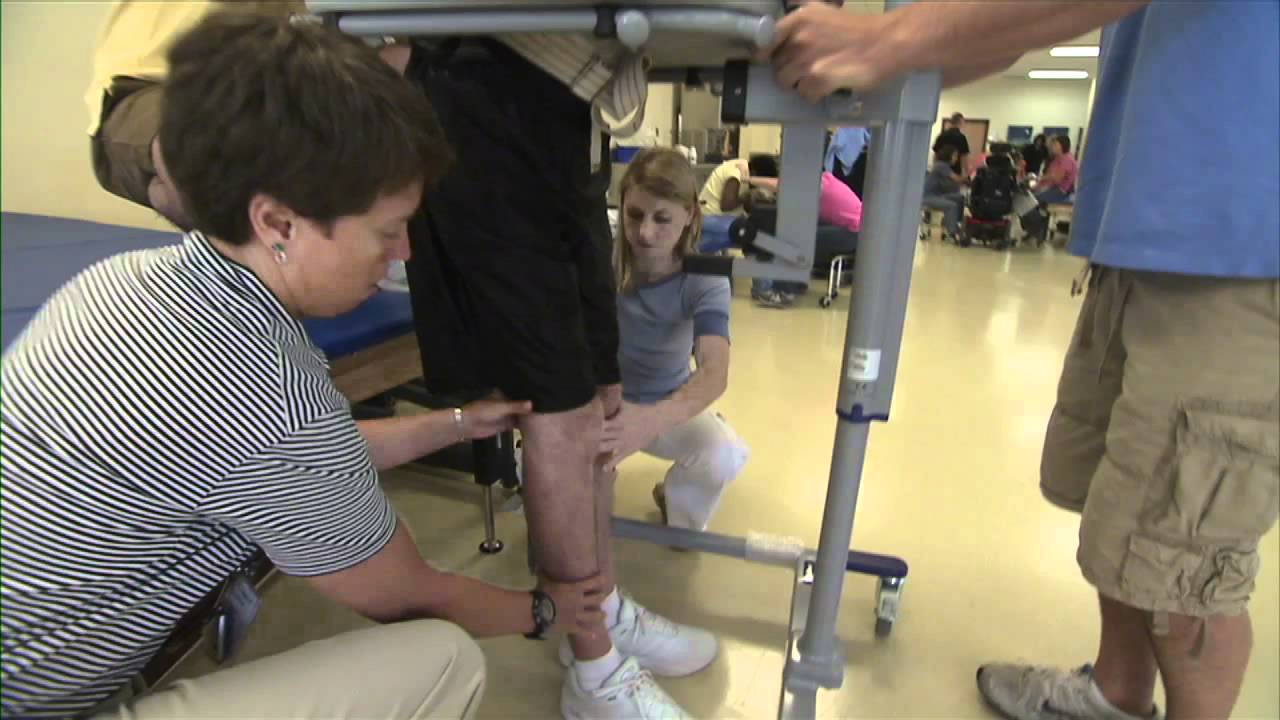
• Physical therapy to help retrain your brain and body; many spinal cord injury survivors are able to regain significant mobility with physical therapy.
• Family and individual counseling to help you cope with the pain and stress of life with a spinal cord injury.
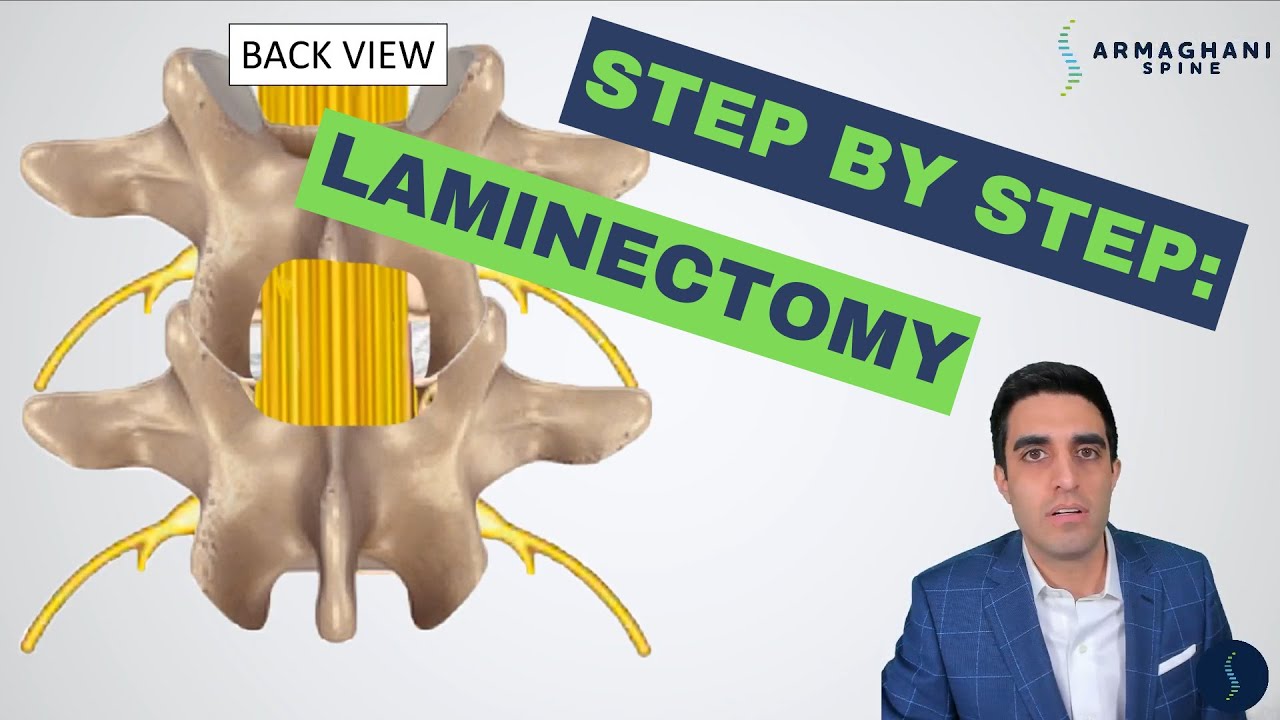
• Surgery as needed to correct injury-related health problems.
Spinal Cord Injury Recovery
Physical Recovery
Some common milestones for physical recovery include:
• The reduction of swelling at the site of the injury.
• Recovering from surgery.
• Regaining some sensation below the site of the injury.
• Regaining some movement below the site of the injury.
• Learning to use assistive devices such as wheelchairs and prostheses.
• Finding new ways to complete old tasks;
Psychological Recovery
Spinal cord injury guides, as well as doctors, lawyers, and loved ones, often focus on physical recovery. But this can actually undermine your psychological recovery. Poor psychological health can worsen your physical health. It is possible to be happy even in the face of a painful injury. Indeed, one study found that 86% of quadriplegics rated their lives as better than average.
Повторяем попытку...

Доступные форматы для скачивания:
Скачать видео
-
Информация по загрузке: