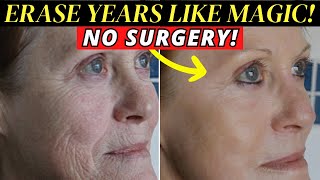
Skin care tips for healthy skin- Dermatologist review
Автор: Dr Davin Lim
Загружено: 2016-09-16
Просмотров: 79306
Описание:
Instagram- follow me if you are bored, or want to learn a few things
/ drdavinlim
Lasers and Lifts – new website in late September 2016
http://www.lasersandlifts.com.au
Realself reviews
http://www.realself.com/find/Australi...
Google + for up to date info. Posted daily.
https://plus.google.com/u/0/b/1139391...
Vitamin A peels, also known as retinoid or retinoic acid peels can also stimulate the skin's natural collagen and elasticity and helps in filling up the finer lines that may lead to deeper wrinkles. In summary this peel is an all round peel, and can reduce wrinkles, reduce blackheads and whiteheads, treat acne and most importantly reduce facial pigmentation. This is one of my personal peels that I use prevent skin ageing. I only perform this on myself once a month, but it can be used every 2 weeks. Concentration of this vitamin A peel is my preferred 2% in a base that suits my skin colour.
Which chemical peel is right for your skin type?
With so many versions on the market, it’s tough to decipher which one will work best on your skin type. Glycolic peels are helpful for sun-damaged skin to even out skin tone and pigmentation. They also give the skin a nice, radiant glow. Salicylic acid and retinol peels are better for people with oily and/or acne-prone skin. Retinoic acid – vitamin A – retinoid peels are also excellent peels for anti-ageing. Skin care is as individual as you are. Some people prefer a nightly routine, some weekly, and in my lazy ass case – I only perform ‘active’ skin care, namely a Vitamin A peel once a month. Sure, peels can work, however I prefer a Picosure Focus laser to erase wrinkles, reduce facial pigmentation and reduce pore size, and use a 2% peel once a month to maintain the effects of the laser. This is not the only way to have healthy skin, its my way- each to their own. See my other videos on DIY Glycolic and TCA peels for other methods to keep you skin fresh, glowing, but above all, perform these procedures safely.
How to prep skin for a Vitamin A or retinol- retinoic acid chemical peel?
Before you introduce peels into your current regimen, you have to prep your skin by making small tweaks to your daily routine. Personally my preparation is very easy. I use a Clarisonic to exfoliate my skin, much like a intense microdermabrasion. This gives better penetration of the vitamin A peel. Other methods include the use of Glycolic acid as part of the prepping process. This is an alpha hydroxy acid that is naturally found in some fruits. It is the most widely used peeling agent and is available in strengths ranging from 5-70% lesser percentages are used in over-the-counter products. It is often used for mild sun damage in order to "freshen" the skin, even out skin tone, or improve discolouration. Like salicylic acid, glycolic acid can also unclog pores and improve acne. The effects of this type of peel depend on the strength of the solution and on the length of time it is left on the skin. Glycolic acid must be neutralized, usually after 2-4 minutes. For at home use, I don't recommend more than 20 % start off at 5%, then go to 10%, 15%, then finally end at 20%. If the acid is left on too long, side effects are more likely. Higher strengths should be done by a trained nurse, under the guidance of a dermatologist or plastic surgeon. This will give deeper penetration, a simpler method is to use a AHA 10 as part of your daily regime.
Chemical peels can help the skin glow with health, but also render it slightly more sun sensitive — be sure to use a good SPF every day after the peel. Stay safe, and thanks for watching this video. Remember to subscribe for more DIY beauty tips. New videos every Saturday morning Brisbane Australia time.
Dr Davin Lim
Laser and aesthetic dermatologist
Brisbane, Australia.
Повторяем попытку...

Доступные форматы для скачивания:
Скачать видео
-
Информация по загрузке: