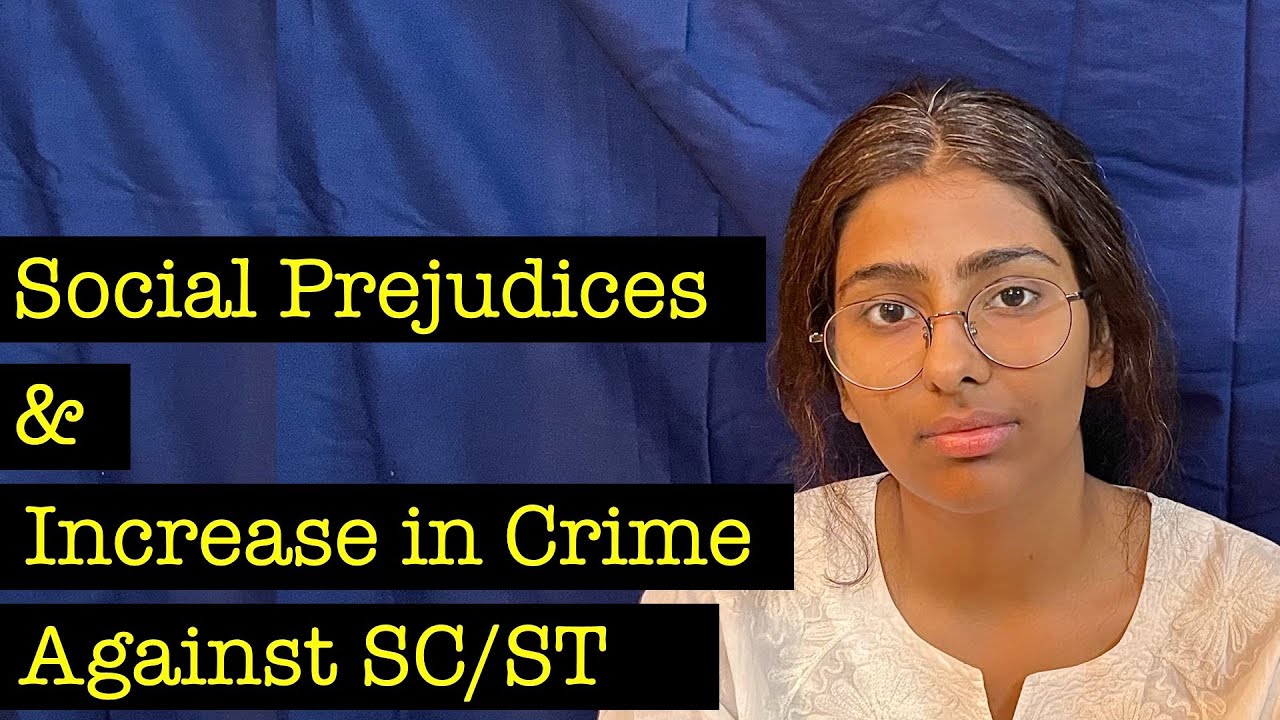
Atrocities Against the SC/ST Community & Judicial Prejudice
Автор: For Women In India Network
Загружено: 2022-05-22
Просмотров: 299
Описание:
Supreme Court of India & Atrocities against the SC/ST Community
As per the data published by the National Crime Records Bureau, crimes registered under the SC/ST Act saw an increase of around 9.4% in 2020 compared to the previous year.
However, the Supreme Court of India in 2018 stated that the Scheduled Caste and Scheduled Tribe (Prevention of Atrocities) Act, 1989 has become a tool of misuse and harassment in India. The court further went on to criticize the exploitation of the innocent citizens at the hands of the people through this legislation.
Before we move further, it is important to keep in mind what the Act is actually about. As the Act itself states:
It was enacted to prevent the commission of offences against the members of the Scheduled Castes and the Scheduled Tribes,
To provide for Special Courts and the Exclusive Special Courts for the trial of such offences
For the relief and rehabilitation of the victims of such offences and other related matters.
Section 3 list all the offences covered under SC/ST Act. The list includes:
humiliation in public,
forcing to vote,
wrongful possession,
abusing any person with the caste name,
attempting to promote feeling enmity among other atrocities against the members of the SC/ST community.
All of these offences are cognizable i.e. the offender can be arrested without a warrant and are non-bailable.
Social prejudices can be seen in the outlook of Supreme Court too. For example, in the case of Dr. Subhash Kashinath Mahajan v. the State Of Maharashtra directed that in absence of any other independent offence calling for arrest, in respect of offences under the SC/ST Atrocities Act, no arrest may be effected if an accused person is a public servant, without written permission of the appointing authority and if such a person is not a public servant, without written permission of the Senior Superintendent of Police of the District. The judgment sparked protests from the people belonging to Scheduled Castes and Scheduled Tribes where fourteen people died and hundreds were injured.
In 2019, the Supreme Court set aside the bail of a man accused of killing a Dalit and observed that atrocities against members of SC/STs are “not a thing of the past” and that the conviction rates in SC/ST cases were low in India not due to the falsity of charges but because of shoddy investigations. The court further observed that several members of the SC/ST community “face insurmountable hurdles in accessing justice from the stage of filing the complaint to the conclusion of the trial”.
It was further pointed out that the victims of caste-based discrimination are reluctant to file complaints due to the fear of retribution from members of savarna groups or police apathy.
The court clarified that:
“many perpetrators of caste-based atrocities get away scot-free due to shoddy investigations and the negligence of prosecuting advocates…This results in low conviction rates under the SC/ST Act, giving rise to the erroneous perception that cases registered under the Act are false and that it is being misused. On the contrary, the reality is that many acquittals are a result of improper investigation and prosecution of crime, leading to insufficient evidence.”
Further, Section 21 of the Act stipulates setting up of vigilance and monitoring committees at the district, state and national levels to keep track of atrocities committed at various strata of society but as per a report, till 2019 not a single state has held the stipulated number of 4 yearly meetings.
The caste-based violence is so rampant in India that it has reached the internet as well. A few years ago, a campaign against systematic denial of “blue tick” verification to the members of the SC/ST community was initiated.
According to a recent Lokniti-CSDS study, the majority of the social media users belong to the upper-castes in urban centres. If we open any social media platform in India today, we can find a number of castiest slurs being used to insult someone.
Education so far has failed to address the issues faced by people at the margins, rather in some ways has enforced a status quo. Education must address these issues to bring a positive change in the society and should enable us to see beyond ourselves and our privilege.
--------------------------------------------------------
Please support us by contributing to our Patreon page:
/ forwomeninindia
Music:
Purple-Planet
Images / Videos:
Unplash
Pexels
As mentioned in the video
Learn more about us: www.forwomeninindia.com
To read interesting stories and snippets about women in India follow us here:
Facebook: / forwomeninindia
Instagram: / forwomeninindia
Twitter: / forwomeninindia
For more inspiring and motivating videos, subscribe to our channel: / @forwomeninindianetwork
LIKE, COMMENT & SUBSCRIBE :)
Повторяем попытку...
Доступные форматы для скачивания:
Скачать видео
-
Информация по загрузке: