Aristotle and the Attraction of Poor Choices | Alfred Mele | Big Think
Автор: Big Think
Загружено: 2012-04-23
Просмотров: 847
Описание:
Aristotle and the Attraction of Poor Choices
New videos DAILY: https://bigth.ink/youtube
Join Big Think Edge for exclusive videos: https://bigth.ink/Edge
----------------------------------------------------------------------------------
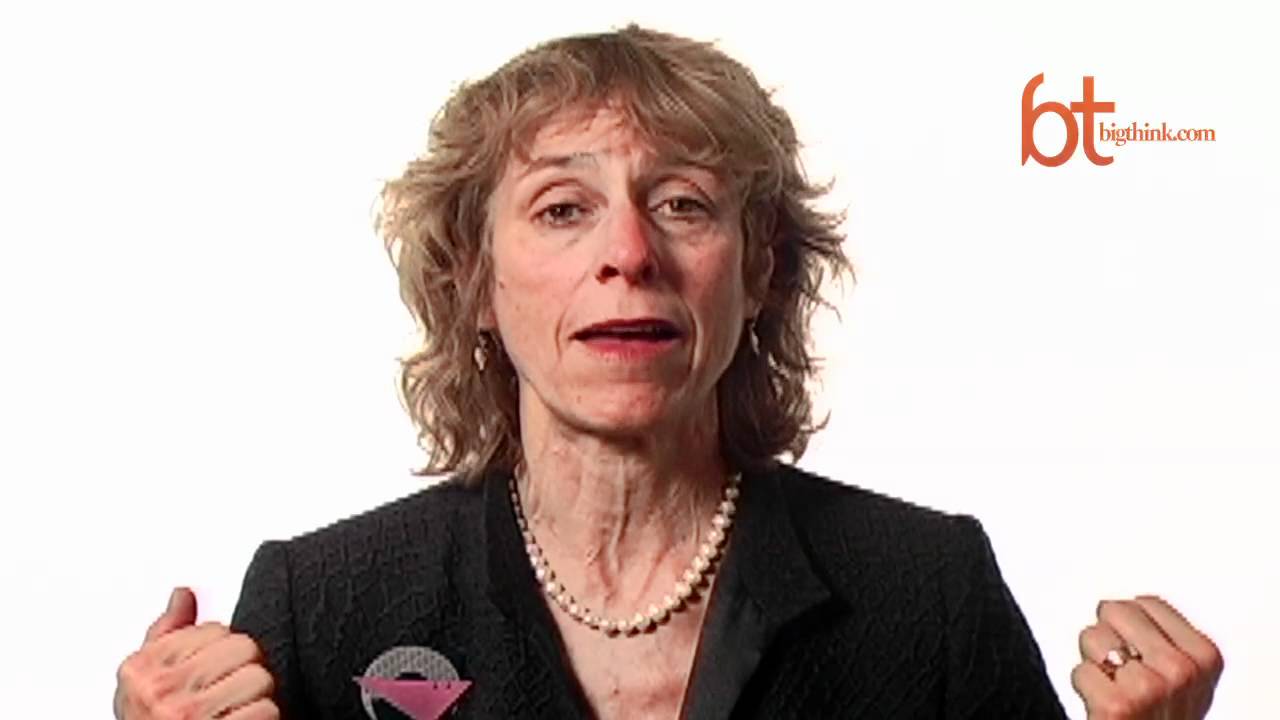
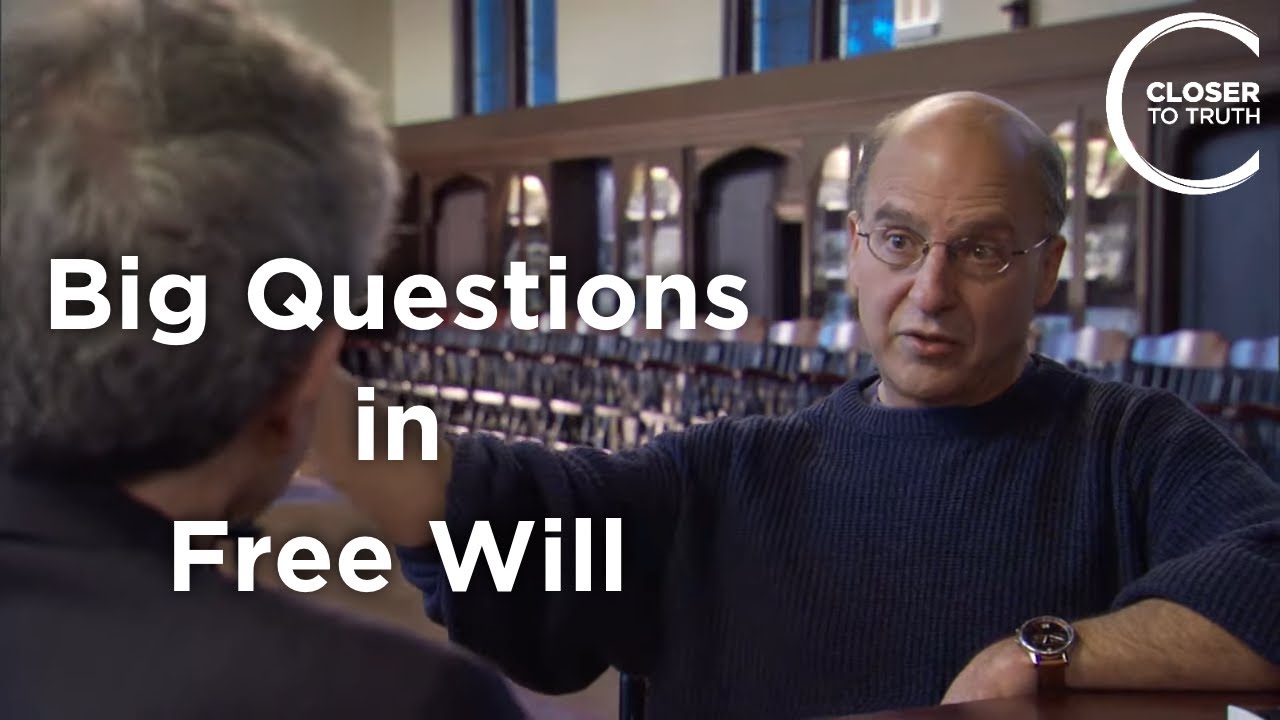
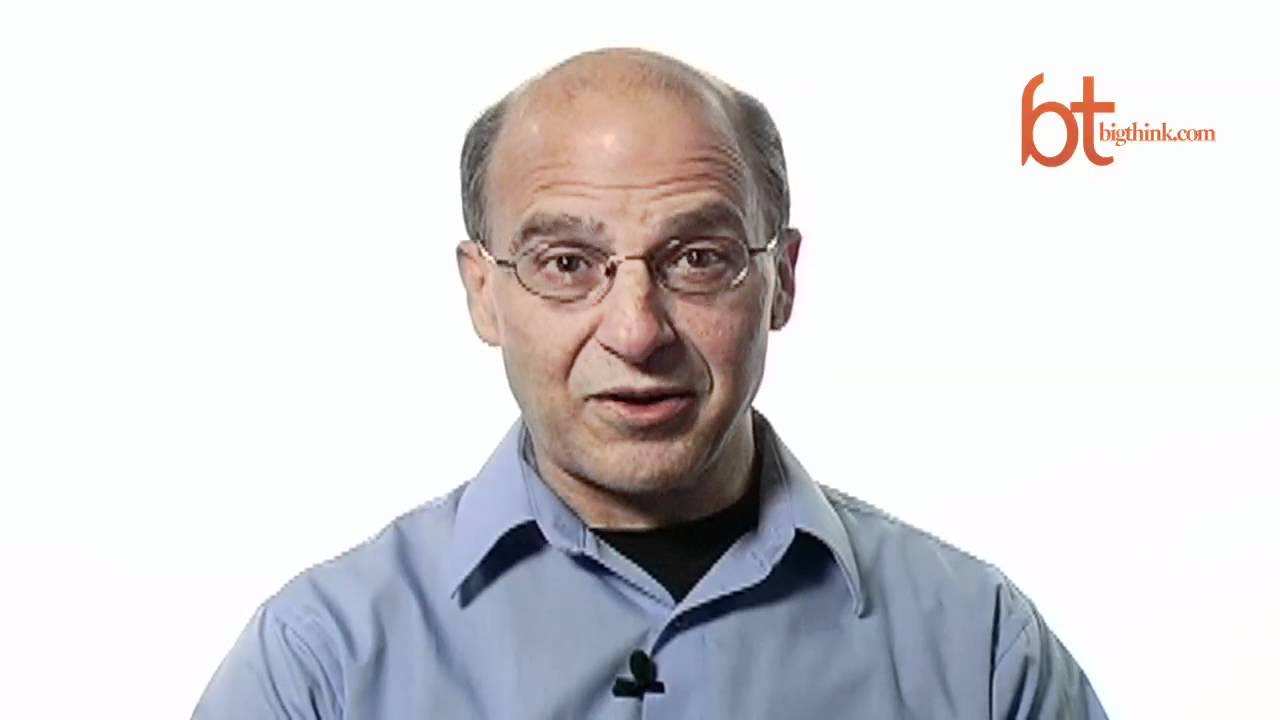
The Florida State University professor on how he got into the study of philosophy and why we sometimes go out and party when we know we should be studying.
----------------------------------------------------------------------------------
Alfred Mele:
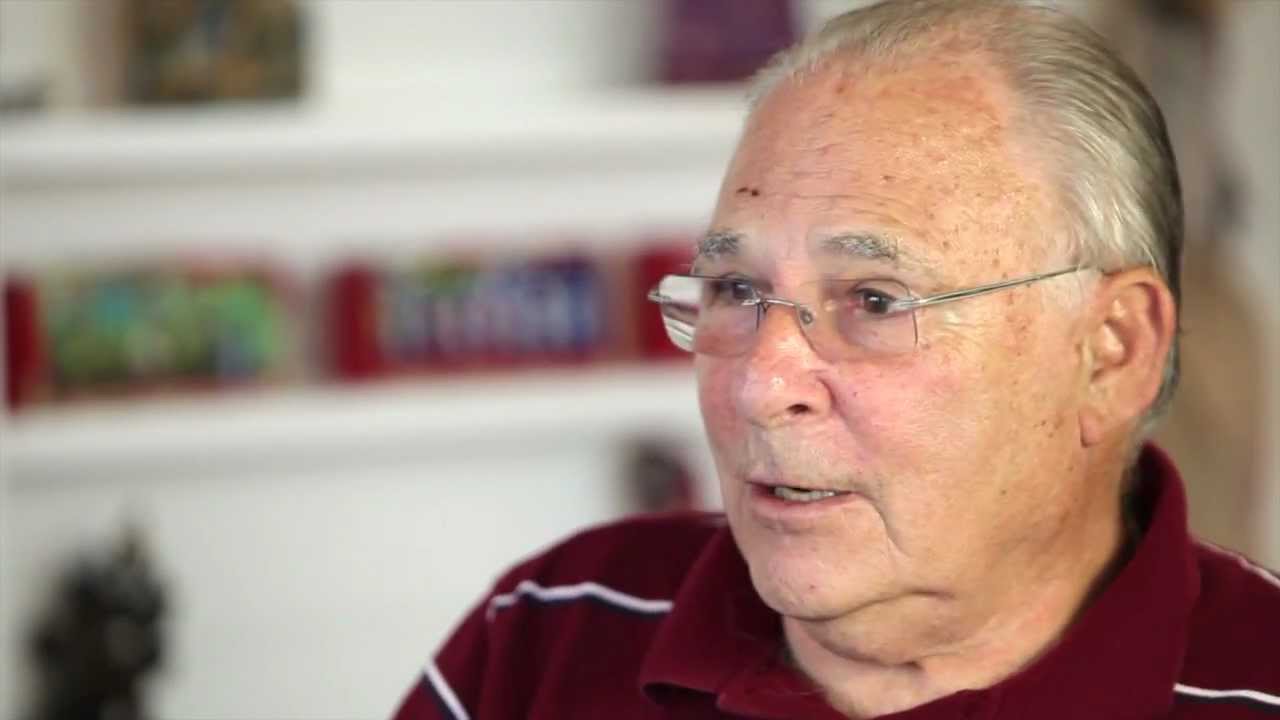
Alfred Mele is an American philosopher and the William H. and Lucyle T. Werkmeister Professor of Philosophy at Florida State University. He specializes in irrationality, akrasia, intentionality and philosophy of action. He is the author of several books, most recently "Effective Intentions," published in 2009.
----------------------------------------------------------------------------------
TRANSCRIPT:
Question: How did you first get interested in philosophy?
Alfred Mele: Let’s see. Of course I was very young. I was probably 19 when I made the decision. And I was always very interested in difficult puzzles and games especially chess. And there is that intricate aspect to philosophy that attracted me. But I was also very interested in human behavior even as a young person. And the first course in philosophy that really sucked me in was, of course, in ancient philosophy. And so, I read Plato and Aristotle and I had never read anything like that. In high school, I went to a Catholic school. I was a football player and I just tried to scrape by. But college I found incredibly exciting. So I think it was that Plato and Aristotle had these views about everything; the universe how we fit into it, what motivates us, why we do what we do. And that’s what sucked me in. And I think I was 19. I think I was a sophomore when I decided.
Question: Which philosopher’s worldview most mirrors your own?
Alfred Mele: Well, definitely Aristotle. I wrote my dissertation on Aristotle’s theory of human motivation. So, it’s a theory about why we do what we do really. And eventually I moved away from ancient philosophy. I started reading classical Greek and writing commentaries on Aristotle, that’s what Aristotle scholars, do. And I did that for four or five years after my dissertation. But, the issues that he addresses were the things that really interested me. So, eventually I had ideas of my own about this and I started writing too many books and too many articles.
I think the thing that really hooked me on Aristotle was his view about what is called, “Weakness of will.” And weakness of will is something that shows up when you judged that, on the whole it would be best to do a certain thing, but you don’t do it and you freely don’t do it. So, an example I used for students is they judge tonight that on the whole, it would be best to stay in and study and better to do that than to go to a party, and they’ve been invited to a party. But the time for the party comes closer, a friend comes by with a 12-pack, say, and says, “Let’s go.” And the student thinks, “Yeah, I’m going to do it. I shouldn’t, but I’ll do it.” And Aristotle had a view about why this happened, but it wasn’t a very developed view. And I thought, well there’s got to be a better answer than that. It really doesn’t matter for now what his answer was.
And so I started reading a lot of social psychology, motivational psychology and that sort of thing and just thinking things through. And I came up with a view of my own that’s empirically well supported, I think. And this is what most of my first book, “Irrationality,” was about, this kind of behavior.
So, one way to think about what’s going on is, we want things, and then the things we want have two different features. There’s the pull, how strongly they pull us, but there’s also our ranking, or assessment on some kind of value scale of how good, or bad they are. And so, the student is ranking studying higher than going to the party because he can see the long-term benefits of studying and also the possible costs of not. But the party, for obvious reasons has a greater motivational pull on him, it’s more attractive. And so, if he doesn’t do anything about it what’s going to happen is, he’s going to be pulled to the party against his better judgment. It’s not all that complicated and behavior like this is intentional and I think free too. Recorded on January 5, 2010
Interviewedrn by Austin Allen
Повторяем попытку...
Доступные форматы для скачивания:
Скачать видео
-
Информация по загрузке: