Nobel Prizes Explained: Unwrapping the Immune System Using Starfish
Автор: LY Med
Загружено: 2019-06-29
Просмотров: 1164
Описание:
Want to support the channel? Be a patron at:
/ lymed
Subscribe for future videos in this series!
Thank goodness for our immune system. Your immune system is made up of a lot of moving parts. The immune system can be divided into two parts: innate and adaptive immunity.
Innate – meaning born, or natural, is something you’re born with baby. Its your first line defense. Its non-selective,it doesn’t care what its killing and its just there as soon as you're born. It includes anatomical barriers like your skin (our largest organ), which stops a lot of pathogens. It also includes things like your stomach acid, or the enzymes in your ees and saliva which destroy bacteria.
If pathogens get past all that that, like if you cut yourself, then cells of the innate immune system go on the attack – again it doesn’t differentiate, it attacks any baddy. Cells include but are not limited to: Mast cells- which are chocked full of chemicals such as histamine, which dilates blood vessels and can cause signs of inflammation – that red swelling, throbbing pain you get – if you cut yourself.
Along with basophils and eosinophils, they activate and release many substances that cause inflammation – and if done inappropriately, cause allergic reactions. Neutrophils - these are full of toxic substances that kill or inhibit pathogens. The most abundant, they arrive quickly, destroy pathogens and die- and their corpse basically make up pus. Macrophages – or big eaters- these engulf pathogens and merge destroy it .
Then of course you have your adaptive immunity. Adaptive immunity is cool and that it is specific. Cells here talk to innate immune cells to see what exact pathogen is attacking us. It picks up proteins left by pathogens (antigens) and recognizes it. There are two main cell types in the adaptive immune system. T cells help recognize the specific pathogen, form memory of the pathogen for future reference, and attack any infected cells.They are like the maestro of the whole thing- the conductor. B cells produce antibodies -which fit on the specific antigens like a lock and key and signal our immune cells – saying come here and attack!
It was a slow and difficult process, but the first steps were taken in the early 1900s.
Enter Mechnikov and Ehrlich
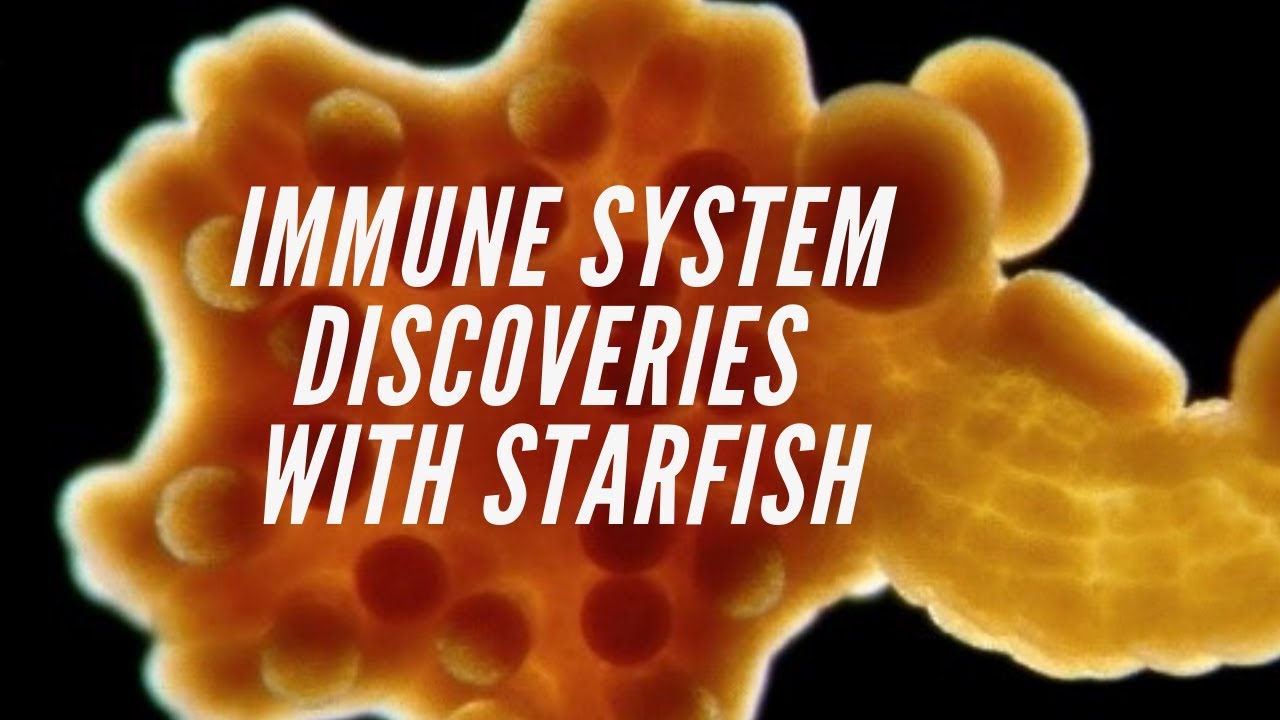
Ilya Mechnikov was a Russian biologist born in 1845. A curious young boy, especially in biology and geology, he would gather his younger siblings and children around and give lectures. After graduating from school his early research was on marine animals and while studying starfish larvae, he discovered the phenomenon of phagocytosis.
He pricked the larvae with small thorns from a tangerine tree. The next morning, the thorns were surround mobile cells. He proposed that these cells might attack invaders and ingest bacteria. This idea was not well received and He set to prove this hypothesis
He found that when fungal spores attacked the crustacean daphnia, cells would migrate to the spores and phagocytose it.
Mechnikov was a troubled scientist- before his discoveries his wife died of tuberculosis. Struck with grief he tried to take his own life with an opium overdose but survived. He would later meet his second wife and contracted typhoid fever and almost died. Again, he tried to take his own life but survived. He would survive, make his breakthrough, and completely change his pessimistic outlook on life.
Paul Ehrlich was a German physician, born in 1854.
It was known then that certain diseases during pregnancy allowed immunity to transmit to their offspring. He proposed that antibodies were given to the fetus via the pulmonary circulation, and supported by the fact that immunity for offspring decreased after a few months after birth. Also, mice nursed by treated females were protected by the poison, so he hypothesized that it was conveyed also through milk. We now know that as maternal passive immunity, where mothers pass antibodies through the placenta or the breast milk after delivery.
Lastly he research autoimmunity- the ability for the ability to attack itself- which is the foundation of autoimmune diseases. He called it horror autotoxicus – which is a bit more frightening.
For their works in immunity, these two gentleman won the Nobel prize in 1908.
Disclaimer:
These videos do not provide medical advice and are for informational purposes only. The videos are not intended to be a substitute for professional medical advice, diagnosis or treatment. Always seek the advice of a qualified health provider with any questions you may have regarding a medical condition. Never disregard professional medical advice or delay in seeking it because of something you have read or seen in any LY Med video.
Повторяем попытку...
Доступные форматы для скачивания:
Скачать видео
-
Информация по загрузке: