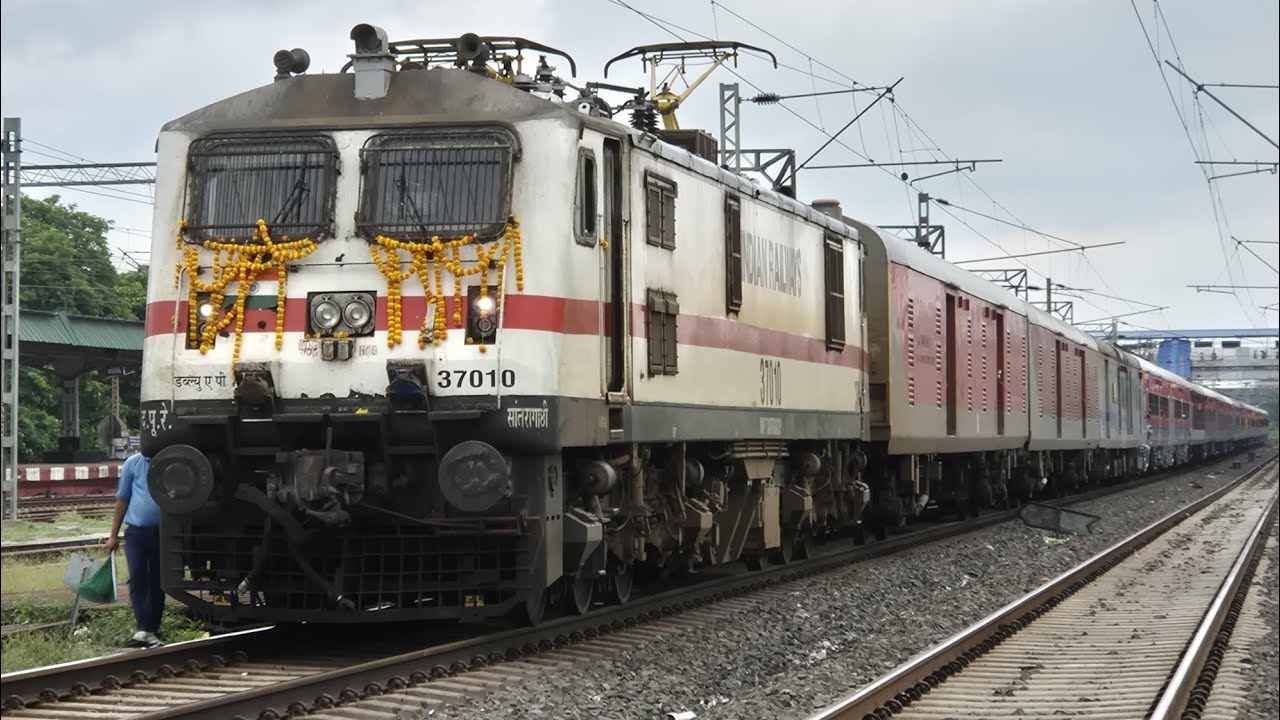
Poor Waste Management of BD Railway🤧😹🤮
Автор: Journey By Train
Загружено: 2025-08-01
Просмотров: 24922
Описание:
Poor Waste Management of BD Railway🤧😹🤮 #railtrack #railway #train_wheel #Train_Urine #shortsfeed
shorts, trains, railway, waste disposal, track maintenance, urban train, infrastructure problem, train hygiene, railway issues, poor waste, poor waste management, train maintenance, train sanitation, bd railway problems, public transport waste, rail track cleanliness, waste management, public transportation, bd railway, railway problems, train environment, train issues
Poor Urine Maintenance System of BD Railway🤧😹🤮 #railtrack #railway #train_wheel #Train_Urine #short
trains, waste management, train problems, track maintenance, public transport, bd railway, train hygiene, railway issues, poor urine system, railway mishaps, railway, public transportation, poor urine, urine disposal, railway systems, poor maintenance, train tracks, urine problems
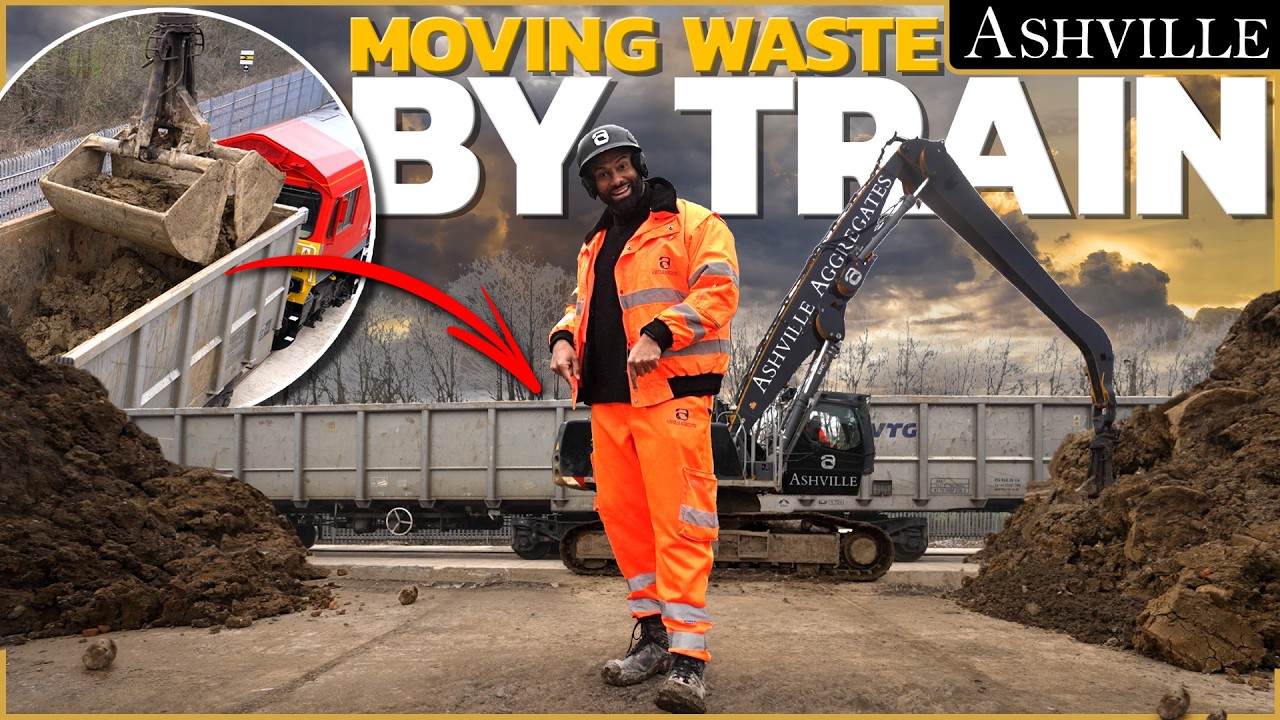
Poor waste management in the railway sector can have significant environmental, public health, and operational implications. Here are some key points to consider regarding this issue:
Environmental Impact
1. **Pollution**: Improper disposal of waste can result in pollution of soil, water bodies, and air. This can harm local ecosystems and biodiversity.
2. **Greenhouse Gas Emissions**: Decomposing organic waste can produce methane, a potent greenhouse gas, contributing to climate change.
3. **Visual Pollution**: Accumulation of waste around train stations and tracks can lead to unsightly and deteriorating environments.
Public Health Concerns
1. **Vector Borne Diseases**: Waste, especially organic waste, can attract pests such as rodents and insects that carry diseases.
2. **Contaminated Water**: Leachate from waste can contaminate groundwater sources, posing risks to communities near railway facilities.
3. **Odor and Aesthetic Issues**: Accumulation of waste can create unpleasant odors and affect the quality of life for nearby residents.
Operational Challenges
1. **Clogged Drains and Infrastructure**: Improperly disposed waste can clog drainage systems, leading to floods and operational disruptions during heavy rains.
2. **Regulatory Compliance**: Rail operators may face penalties or fines for not adhering to waste management regulations, leading to increased operational costs.
3. **Loss of Reputation**: Poor waste management can damage the reputation of the railway service, deterring passengers and affecting ridership.
Best Practices for Waste Management in Railways
To mitigate the issues associated with poor waste management, rail operators can implement the following best practices:
1. **Waste Segregation**: Implement systems for segregating waste at source, including recycling and composting programs to handle different types of waste effectively.
2. **Regular Audits**: Conduct regular waste audits to understand waste generation patterns and develop strategies to minimize waste production.
3. **Training and Awareness**: Educate staff and passengers about responsible waste disposal practices to encourage compliance and support waste management efforts.
4. **Partnerships with Waste Management Firms**: Collaborate with local waste management companies to ensure proper disposal and recycling of waste generated.
5. **Infrastructure Improvements**: Invest in appropriate waste disposal infrastructure, such as bins and recycling stations, at train stations and along rail lines.
By adopting comprehensive waste management strategies, the railway sector can mitigate its environmental footprint, enhance public health, and improve operational efficiency.
Повторяем попытку...

Доступные форматы для скачивания:
Скачать видео
-
Информация по загрузке:


![🐹 DIY Hamster Escapes the Rainbow Prison [OBSTACLE COURSE]](https://imager.clipsaver.ru/5CupQQpADkA/max.jpg)