Japanese Submariners Were Stunned When U.S. Sonar Detected Them Miles Away
Автор: WW2 Real Stories
Загружено: 2025-10-07
Просмотров: 3422
Описание:
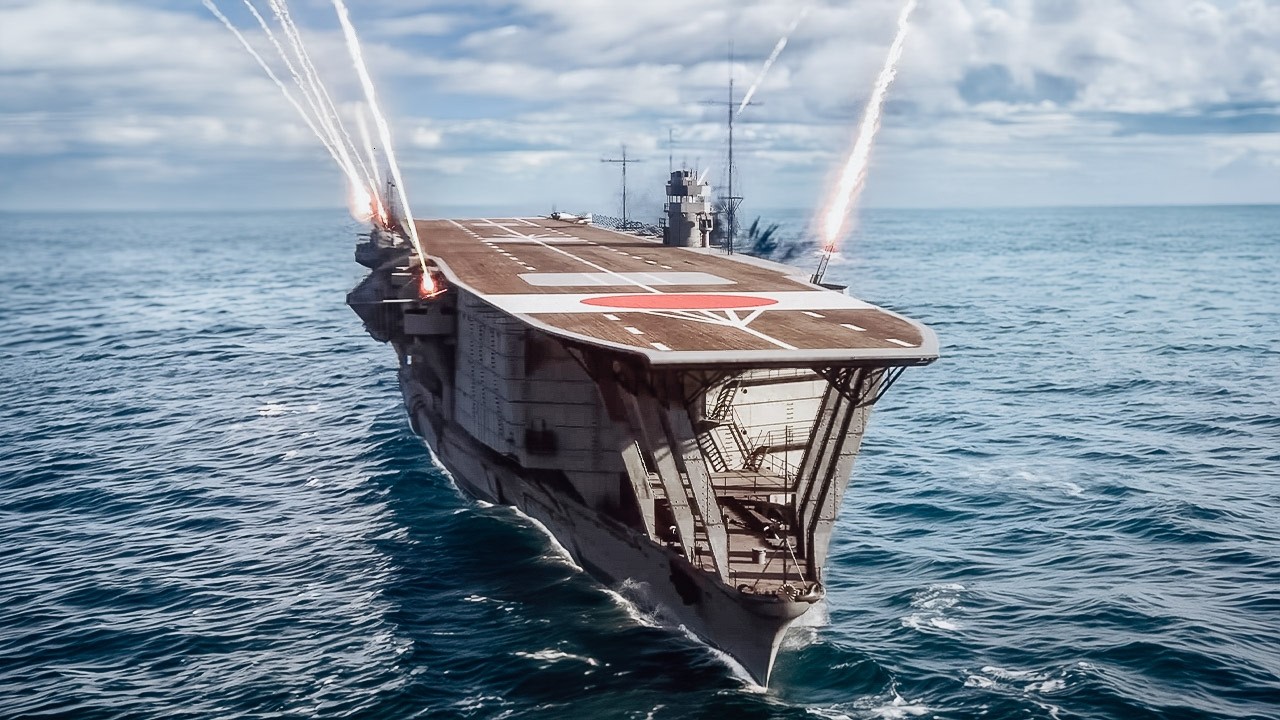
December 1941. Commander Yokota Minoru's I-26 successfully torpedoes USS Saratoga, confident that Japanese submarines possess unmatched stealth and superior acoustic detection. The Imperial Navy's elite submarine force enters World War II believing their Type 93 hydrophones and oxygen-fueled torpedoes make them invisible hunters in the Pacific. Japanese doctrine assumes American anti-submarine warfare is primitive, limited to visual spotting and random depth charge patterns.
By May 1943, that confidence shatters. Commander Kinashi's I-19 is detected at impossible range—five miles—by American sonar emitting mechanical pings that penetrate steel hulls and track submarines through every evasive maneuver. The Americans haven't just improved their technology; they've revolutionized underwater warfare through active acoustic detection developed by Bell Labs and mass-produced by Western Electric.
This is the story of technological annihilation through physics. American QC sonar could detect submarines at 4,000+ yards while Japanese hydrophones managed barely 2,000 yards. USS England sinks six Japanese submarines in twelve days using continuous sonar tracking and Hedgehog weapons. Of 174 Japanese submarines, 128 are destroyed—a 73.6% casualty rate versus America's 18%. The decisive weapon isn't explosive but acoustic: the PING that transforms the ocean from protective cloak into transparent killing ground, where 8,500 Japanese submariners learn that American industrial and scientific superiority has made them obsolete.
Повторяем попытку...

Доступные форматы для скачивания:
Скачать видео
-
Информация по загрузке: