NO DEAL: Trump War Cabinet Meets as Ford Nears Strike Range | Why Geneva Offer Failed?
Автор: Warfare Politics
Загружено: 2026-02-18
Просмотров: 5085
Описание:
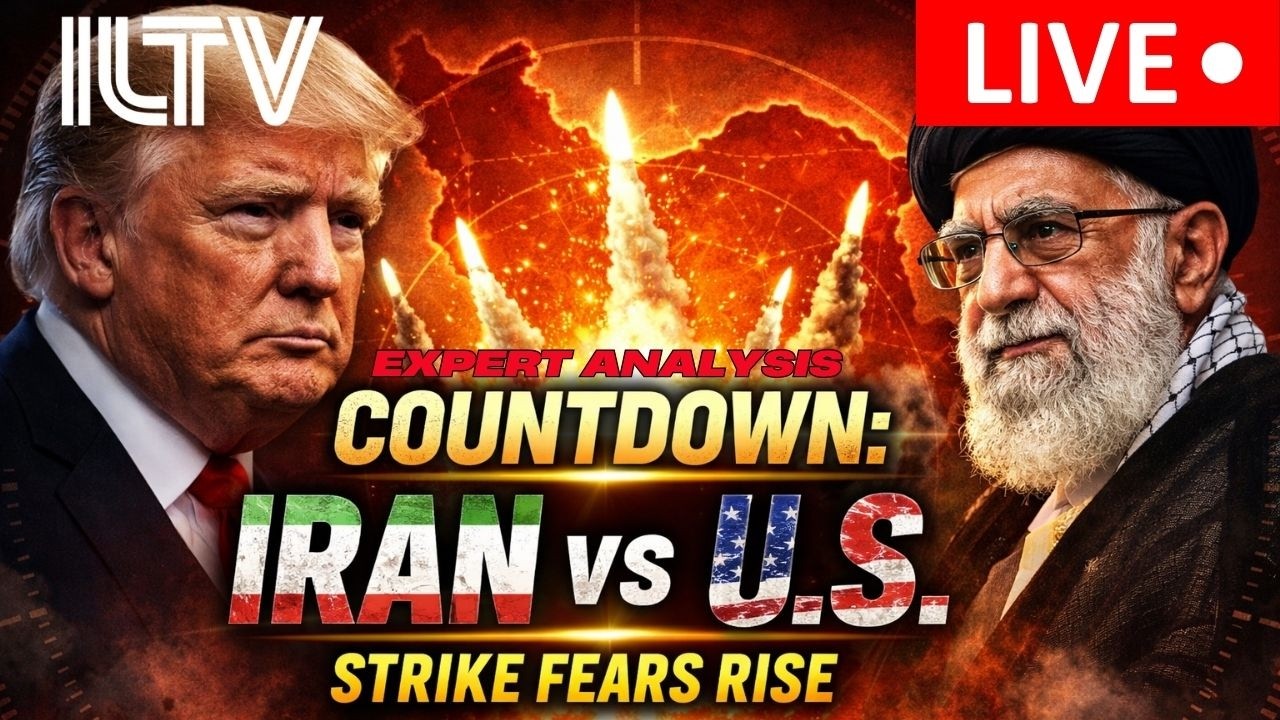
At 9:34 AM Eastern Time on February 19, President Donald Trump convened what White House staff privately called a war cabinet inside the West Wing. The decision before them was stark and irreversible: give Iran more time for diplomacy—or authorize the most extensive U.S. military operation since the 2003 invasion of Iraq.
Fresh from Geneva, Jared Kushner and Steve Witkoff briefed the President on talks that produced movement—but no breakthrough. Iran showed limited flexibility on nuclear issues, but flatly refused to discuss missiles or regional proxies. For Washington—and for Israel—that refusal changed everything.
Across the table, Secretary of State Marco Rubio reviewed satellite imagery showing accelerated Iranian military preparations. Via secure video from the Pentagon, National Security Advisor Mike Waltz warned that the deployment window was closing. With the USS Gerald R. Ford set to join the Abraham Lincoln, the United States would soon field its largest regional naval force in over two decades—but only for a limited time.
Intelligence briefings from CIA Director John Ratcliffe confirmed the urgency. Iran was not behaving like a state desperate to avoid war. Missile facilities were active. Naval forces were drilling carrier-attack scenarios. Tehran appeared to be negotiating while simultaneously preparing for conflict.
Trump’s conclusion was blunt. Iran would be given two weeks—until March 4—to return with a proposal that included verifiable missile limits. Not vague confidence-building language. Not partial concessions. A comprehensive deal—or kinetic options would follow.
But the scope Trump outlined went far beyond limited strikes. What he described would mean sustained operations, hundreds of targets, degraded missile forces, dismantled proxy infrastructure, and the acceptance of unavoidable escalation risks. Planning quietly shifted from contingency to execution.
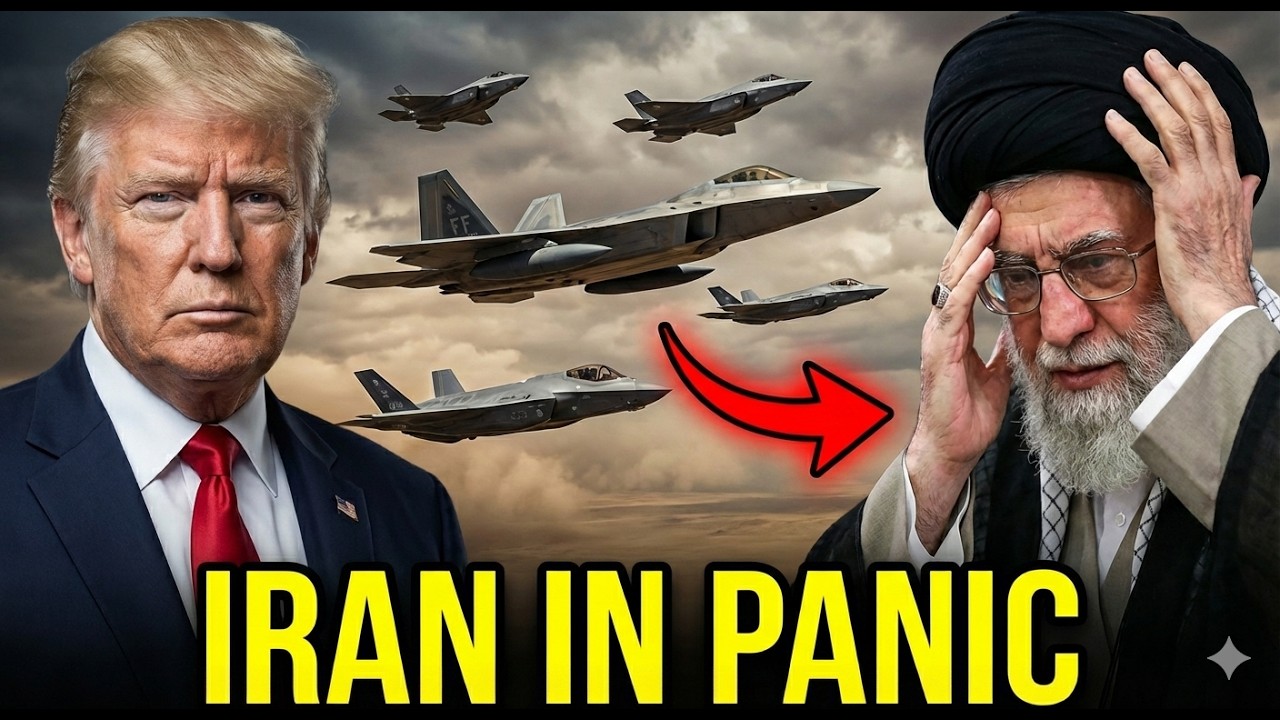
Meanwhile, Tehran responded with defiance. Supreme Leader Ali Khamenei circulated propaganda portraying U.S. carriers as vulnerable. Iran’s strategy was clear: absorb strikes, inflict enough cost, and rely on American political fatigue to limit the campaign.
Israel, led by Benjamin Netanyahu, prepared on its own accelerated timeline. Israeli planners signaled readiness for joint or independent action, with F-35s, intelligence support, and missile defense positioned for rapid escalation.
Markets reacted instantly. Oil prices surged. Gold hit new highs. Defense stocks climbed. The global economy began pricing in the risk of a Middle East conflict that would not remain localized.
This video breaks down:
• What happened inside Trump’s war cabinet
• Why Geneva diplomacy fell short
• The military window driving U.S. decision-making
• Iran’s strategic miscalculations
• Israel’s parallel war planning
• And why the next two weeks could reshape the Middle East
February 19 was the turning point—the day diplomacy stopped being the primary path and became the final test before force. The deadline is set. The carriers are in position. And the world is now watching whether Iran changes course—or whether history is about to repeat itself on a far larger scale.
Повторяем попытку...

Доступные форматы для скачивания:
Скачать видео
-
Информация по загрузке: