Why Am I Experiencing Irregular Periods
Автор: EZ Blood Test UK
Загружено: 2026-01-24
Просмотров: 2
Описание:
Harmonising the Cycle: Causes and Clinical Management
https://bloodtest.co.uk/why-am-i-expe...
#IrregularPeriods #PeriodAwareness #HormoneBalance
When women ask, "Why am I experiencing irregular periods?" the answer usually begins with a consultation at a local GP surgery. Doctors define an irregular cycle as one that falls outside the standard range of 21 to 35 days. General practitioners look for specific patterns,s such as missed months or significant changes in flow,w to identify the problem.
Hormonal volatility is the primary biological driver of these disruptions. The body relies on a precise balance of oestrogen and progesterone to trigger ovulation and menstruation on time. Conditions like thyroid dysfunction or polycystic ovary syndrome frequently upset this balance and cause the reproductive system to falter.
Natural life stages also create inevitable shifts in the predictability of the cycle. Teenagers often encounter erratic timing as their bodies learn to regulate new hormone surges during puberty. Women navigating perimenopause face similar challenges as their hormone levels naturally decline, leading to unpredictable bleeding or skipped periods.
Dietary habits across the UK play a surprisingly strong role in menstrual health. A diet high in processed foods often fails to provide the nutrients necessary for hormonal stability. Experts advise women to consume fatty fish rich in omega-3s and foods fortified with vitamins D and B to help the body maintain a steady rhythm.
Physical stress from rapid weight changes significantly impacts the menstrual cycle. British studies indicate that rapid weight loss or gain can shock the endocrine system and disrupt normal ovulation. Health professionals encourage women to set realistic weight goals to preserve the hormonal environment needed for regular periods.
External factors, such as environmental conditions and daily stress levels, also interfere with biological timing. High pressure from work or personal life drives up cortisol production, which directly blocks reproductive hormones. Even British weather patterns contribute to this issue, as shorter winter days can alter cortisol levels and disrupt the regularity of the cycle.
Medical treatments often provide a reliable path to stability for many patients. GPs frequently prescribe the contraceptive pill to artificially control hormone levels and establish a predictable schedule. This approach allows women to manage difficult symptoms like heavy bleeding while they work on long-term health strategies.
Holistic approaches offer effective alternatives for those seeking to lower stress naturally. NHS resources suggest using cognitive behavioural therapy or mindfulness techniques to reduce cortisol and restore balance. Some women also find relief through herbal supplements such as chaste tree or evening primrose oil after consulting a professional.
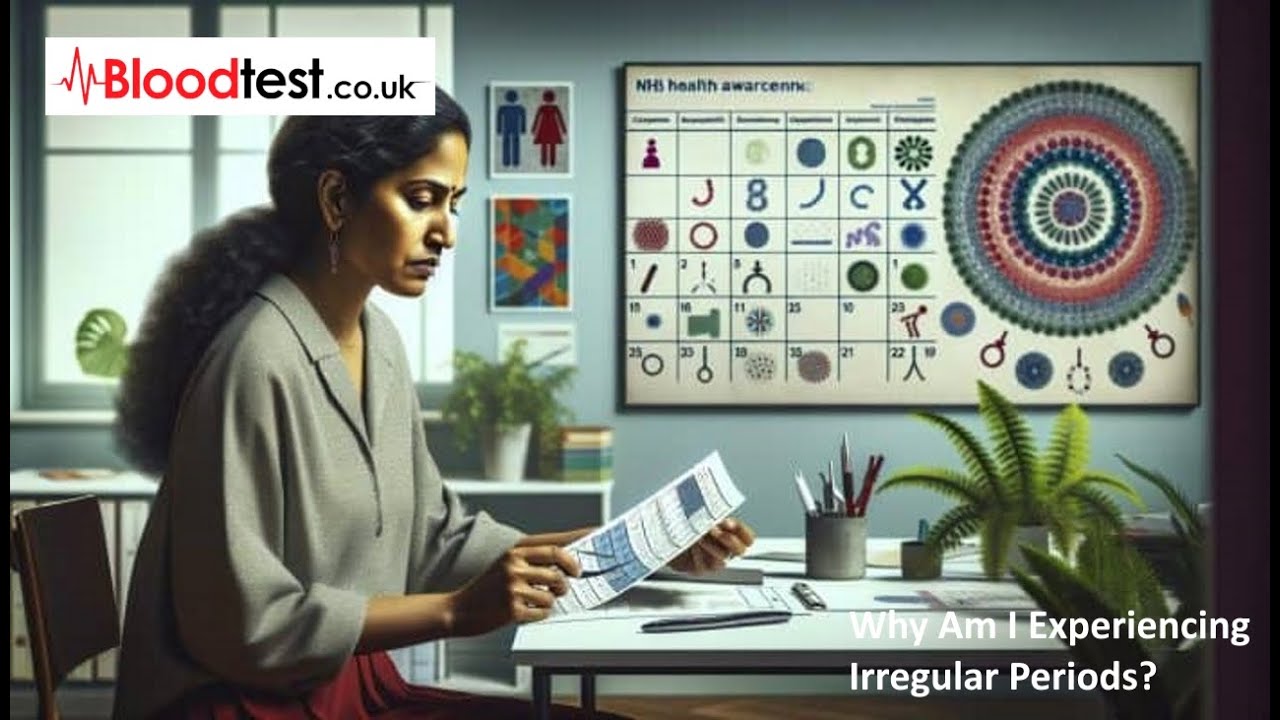
Digital tools now allow women to take an active role in their diagnosis and care. Tracking apps enable patients to record cycle dates alongside symptoms like bloating or mood swings. This detailed data helps doctors pinpoint underlying causes faster and ensures women receive the most accurate treatment for their specific situation.
Повторяем попытку...
Доступные форматы для скачивания:
Скачать видео
-
Информация по загрузке: