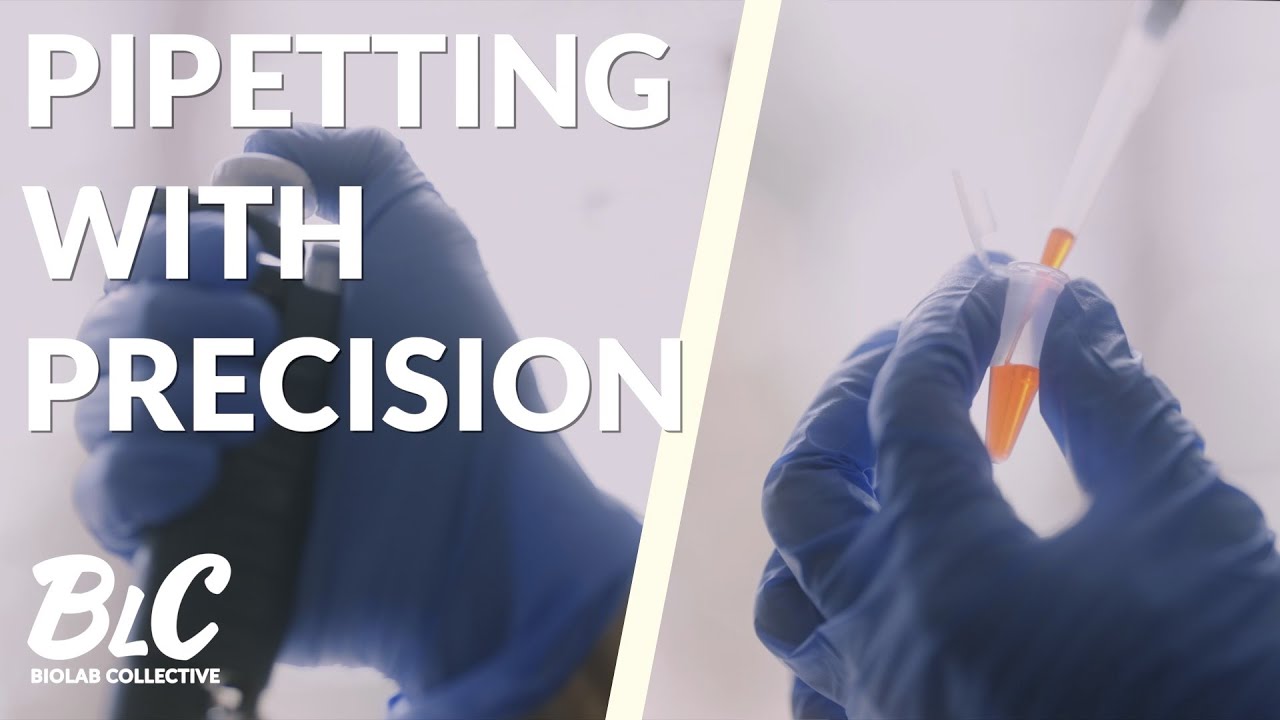
Learn how to pipette like a pro
Автор: Splice Bio
Загружено: 2015-10-19
Просмотров: 41465
Описание:
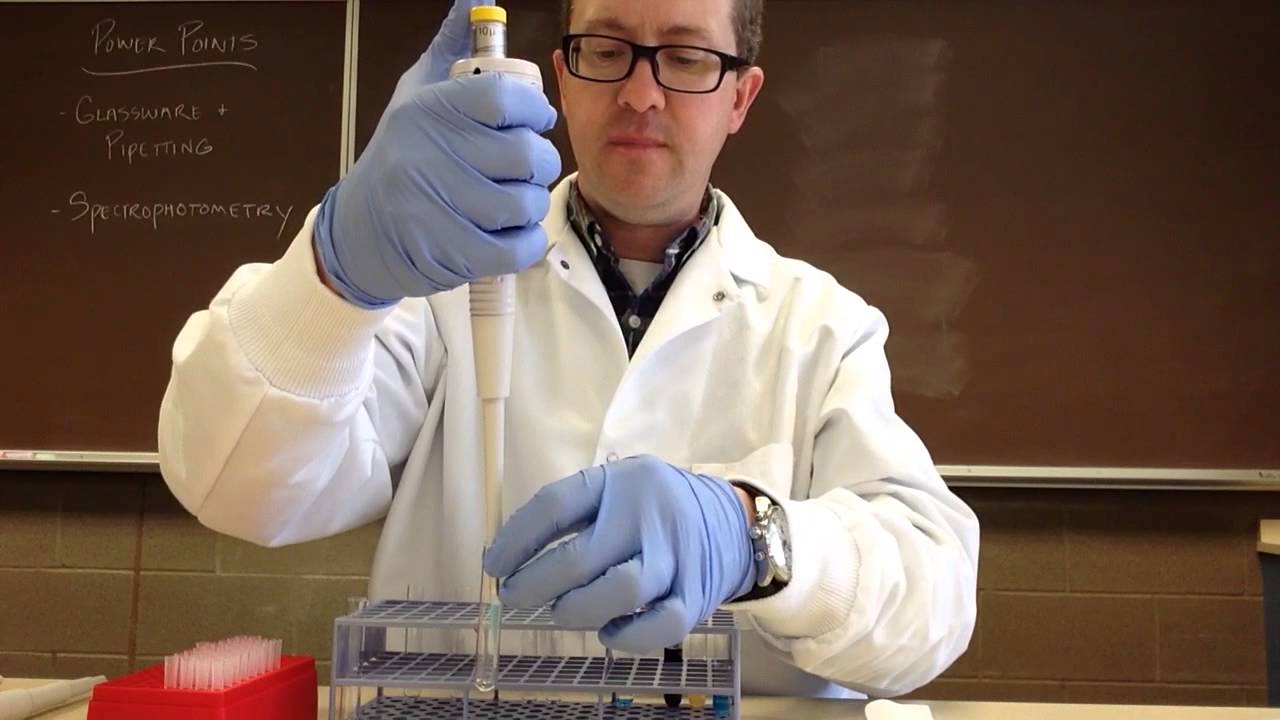
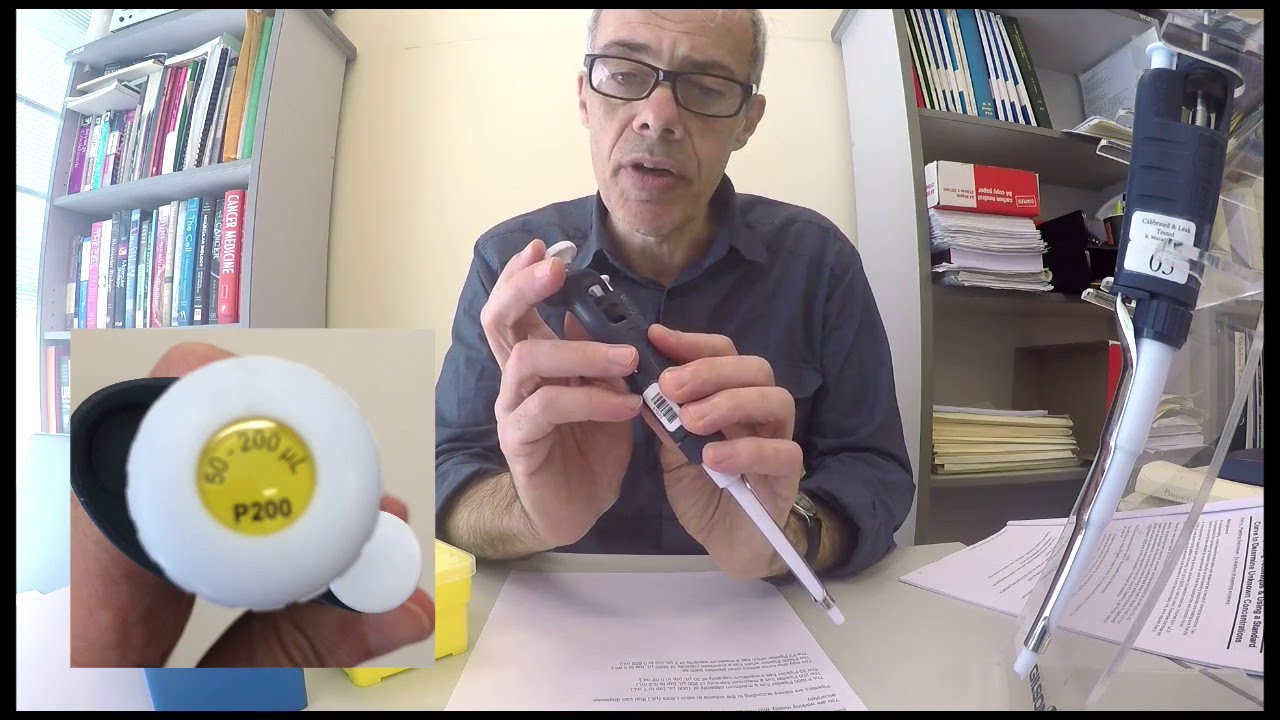
Best pipetting practices demonstrated in 15 minutes.
The webinar was brought to you by BioSistemika LLC (http://biosistemika.com/) and LOTRIC Metrology Ltd (http://www.lotric.si/en/).
We would also like to thank our supporters:
Gilson Inc (http://www.gilson.com/)
GeneQuan by Michael W. Pfaffl (http://www.gene-quantification.info/)
Splice – Coffee Break News for Life scientists (http://splice-bio.com/)
BioSistemika will release sciNote - an Open Source Scientific Notebook in 2016 which will be also featured on Kickstarter in mid November. You are all invited to follow us on http://scinote.net/.
We have answered the following questions that we have received during the live broadcast. Feel free to read through and if we didn't answer your question, please send an email to Niko Cemazar ([email protected]) since he is a true expert in this area.
1. Is it harmful if you place the pipette on the table in the horizontal position?
No, if you place it down gently. However you should not place the pipette horizontally if you have a tip with the liquid attached to it.
2. How does heat transfer from the operator's hand to the pipette skew the debit volume?
All air displacement pipetts are calibrated at the temperature of 20°C. Heating the pipette (and materials) can cause pipetting errors (lower aspirated volume).
3. Why is it important to pre-wet the tips?
The liquid makes a thin layer inside the tip, so the next time you dispense, no additional liquid will stay inside the tip and consequently your pipetting will be more accurate. When pipetting larger volumes of aqueous solution we recommend you to pre-wet many times so the final humidity inside the tip is higher (approximately 3 times).
4. Is it recommended to sit on a chair or to stand up?
Pipetting quality does not depend on whether you are sitting or standing, however be aware of the appropriate position to avoid health risk.
5. When picking up liquid, why would the pipette pick up more liquid if the pipette is at an angle?
This is true only for the air displacement pipettes which raise the volume of the liquid by moving the air cushion inside the pipette. If you are pipetting under the angle the hydrostatic pressure which is needed to raise the liquid falls.
6. Where we can use reverse pipetting? What is the advantage of that technique?
The reverse pipetting tecnique is recommended for pipetting liquids that have different viscosity or density compared to water. Some samples tend to „stick“ to the tips, causing a significant amount of sample to stay in the tips. If you are using the reverse mode pipetting, a small amount of sample stays in the tips. This reduces the error due to surface tension of the liquid being pipetted. It is also recommended to use the reverse pipetting technique when pipetting sample volumes below 10 uL.
7. Is the uncertainty the same for forward and reverse pipetting method?
The pipetting uncertainty depends mostly on the user not the pipetting technique. However accuracy for reverse pipetting technique is higher when pipetting sample volumes below 10 uL.
8. What is the best way to do repetitive pipetting? For example when you need to pipette 3 times 1 ml in a tube.
It is recommended to use a dispensette if you are pipetting same volumes of the same liquid.
9. Are there different pipettes for organic solvents or aqueous solutions? In case of mixtures of organic/aqueous solutions which type of pipetts shall we use?
Positive displacement pipettes are used for pipetting organic solvents (for example Gilson Microman pipettes). You can use the same types of pipettes for pipetting organic/aqueous mixtures.
10. Any tips for pipetting high viscosity liquids? How do we avoid the remains of the liquid in the tip?
Positive displacement pipettes are used for pipetting high viscosity liquids.
11. Should pipetting technique be different when we transfer solution to an empty vessel compared to when we transfer to a tube containing another solution and mixing both solutions?
No, but make sure you discard tips each time you aspirate from the original vessel.
12. How often should the o-ring and seals be replaced?
This depends on the frequency of use and aggressiveness of liquid to be delivered. The more aggressive the liquid, the sooner the o-ring and seals are damaged. Usually this should be done once per year. Make sure you follow the manufacturer‘s instructions.
Повторяем попытку...
Доступные форматы для скачивания:
Скачать видео
-
Информация по загрузке:



![Как сжимаются изображения? [46 МБ ↘↘ 4,07 МБ] JPEG в деталях](https://imager.clipsaver.ru/Kv1Hiv3ox8I/max.jpg)