Shanghai‘s Suzhou Creek Walk: From Xinzha Bridge to Jiuzi Park | 20 Nov 2022
Автор: Wandering with Ye Jun
Загружено: 2026-02-14
Просмотров: 5
Описание:
20 November 2022. Shanghai. A bright autumn afternoon.
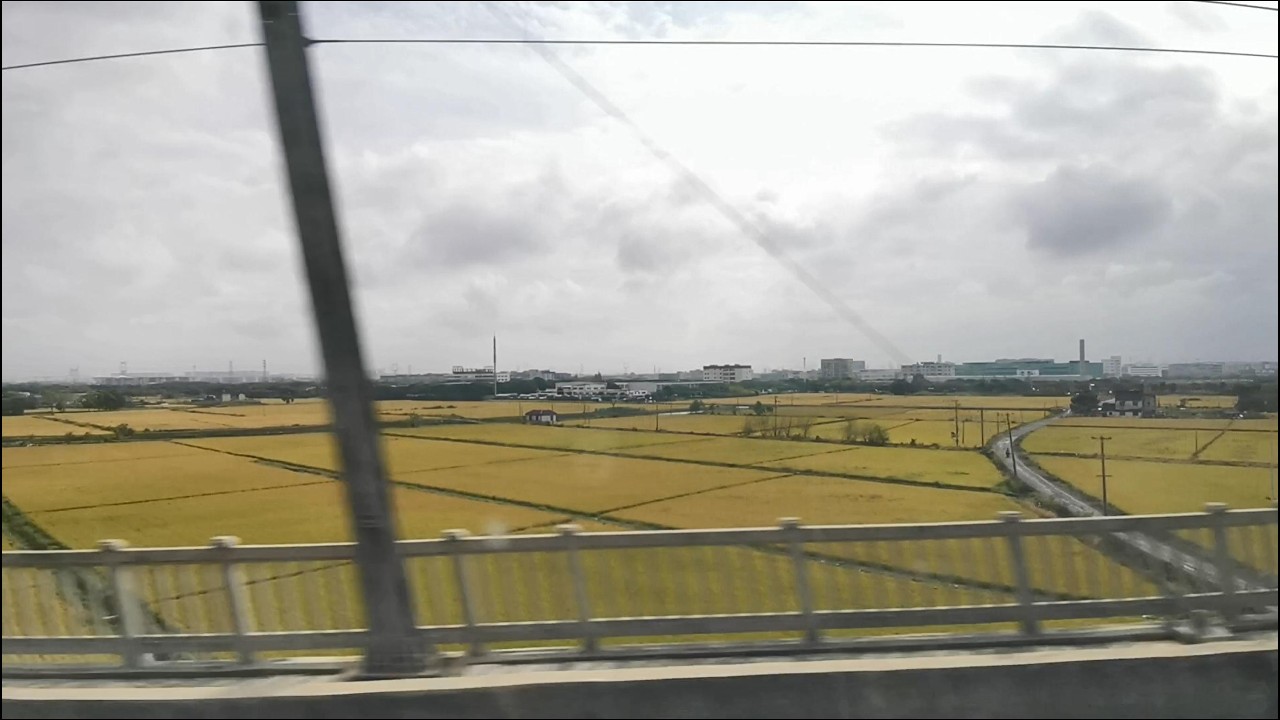
Starting from Datong Road at Xinzha Bridge, walking west along Suzhou Creek. This is the kind of route citywalk lovers dream of—water on one side, old factory buildings converted into creative parks on the other, sunlight filtering through sycamore leaves, shadows following every step.
———
Xinzha Bridge, heading west.
This area around Datong Road was once an industrial zone along Suzhou Creek. The factories remain, but their functions have changed. Some are now office buildings, others creative spaces. Xinqiao Road is nearby—rumored to be disappearing soon, already enclosed by construction sites, swallowed into future real estate developments.
I walked and thought: every time I come to Shanghai, some places have changed.
———
Further west: Jiuzi Park.
1018 Chengdu North Road. The largest public green space along the southern bank of Suzhou Creek. Opened in 2006, renovated in 2020. The site was once home to Minfeng and Huafeng paper mills. On old maps from 1949, this area bore an ancient name—“Dawang Temple,” dedicated to the “Golden Dragon‘s Fourth King,” protector of river travelers.
The park’s name comes from nine traditional Shanghai alleyway games: pitching bottle caps, spinning tops, rubber-band jumping, hoop rolling, marble shooting, ring tossing, nut throwing, diablo spinning, and hopscotch. Each game name ends with the character “zi”—hence “Jiuzi” (Nine ‘Zi’).
———
At Jiuzi Park, on the sunniest patch of open ground, a group of young people practices street dance.
Baggy hoodies, cargo pants, sharp moves. Music from a phone: F.I.R.‘s Crescent Bay—
“Fluttering everywhere, a barren waste,
Frost and tears turn to dust,
No amount of suffering can change what’s past…”
The song is about loss and regret. Their bodies say something else. Spin, freeze, spin again. Sunlight stretches their shadows across the park‘s pavement.
A group of elderly people sits on nearby benches, soaking up the sun. Occasionally they glance up at the dancers, then resume their conversations.
———
From Datong Road to Jiuzi Park. From industrial heritage to public green space.
This stretch of Suzhou Creek was once warehouses and wharves—the “industrial rust belt.” Now it’s creative parks and public greens—the “living showcase belt”. Factories become parks. Old warehouses become art spaces. Street dance happens beside sculptures of traditional alleyway games.
This is Shanghai.
It doesn‘t rush to tear down the old, nor does it resist the new. It lets them coexist, and waits for time to work things out.
———
Where do we begin to understand a city?
We begin with its old warehouses—those unremarkable red-brick buildings that might hold a century of grain, money, and underworld stories.
And we begin with its neighborhood parks—watching young people practice street dance in the sun, watching the elderly sit on benches and soak it in, watching the song “fluttering everywhere, a barren waste” land beside sculptures of “pitching bottle caps” and “spinning tops.”
The sun shone brightly that day.
The waters of Suzhou Creek were calm.
I didn’t walk fast, and I didn‘t stop. I just walked, watched, and filmed.
#慢下来看世界 #应该从哪里开始了解一座城市 #记录你身边的声音 #藏在身边的绝美光影 #广场上从来不缺舞者 #上海 #苏州河 #citywalk #城市漫游 #沉浸体验 #新闸桥 #九子公园 #大王庙 #弄堂游戏
#SlowDownSeeTheWorld #WhereToBeginUnderstandingACity #RecordingTheSoundsAroundYou #HiddenBeautyInPlainSight #TheSquareNeverLacksDancers #Shanghai #SuzhouCreek #CityWalk #CityRoaming #ImmersiveExperience #XinzhaBridge #JiuziPark #DawangTemple #AlleywayGames #WanderingWithYeJun #YeJunsWorld #NotesOfAWanderer #wheretobegin
我在故宫修文物/如果国宝会说话导演随手拍。2022年11月20日,上海。阳光明媚的秋日午后。
从新闸桥大统路出发,沿着苏州河往西走。这是citywalk爱好者会喜欢的路线——一边是河水,一边是老厂房改造的创意园区,阳光穿过梧桐叶洒下来,每一步都有光影跟着。
———
新闸桥,往西。
大统路这一带,曾经是苏州河边的工业区。如今厂房还在,但功能已经变了。有的改成了办公楼,有的成了创意空间。新桥路就在附近,据说很快就要消失了——已经被圈进工地,未来的楼盘里或许不再有这条路。
我边走边想:每次来上海,总有些地方在变。
———
再往前走,九子公园到了。
成都北路1018号,苏州河南岸最大的一片公共绿地。2006年开园,2020年刚完成改造。这里原址是民丰、华丰造纸厂,1949年的老地图上,这一带还有个古早味的名字——“大王庙”,供奉的是护佑水上平安的“金龙四大王”。
公园的名字来自九种上海老弄堂游戏:掼结子、抽陀子、跳筋子、滚轮子、打弹子、套圈子、顶核子、扯铃子、造房子。每个名称都带一个“子”字,所以叫“九子”。
———
九子公园里,阳光最好的那块空地上,一群年轻人在练街舞。
穿着宽松的卫衣和工装裤,动作干脆利落。音乐从手机里放出来,歌词是F.I.R.的《月牙湾》——
“漫天飞舞一片荒芜,满眼风霜和眼泪都化作尘埃,再多的苦于事无补…”
歌是关于失去和遗憾的,但她们的身体在说别的。旋转,定格,再次旋转。阳光把他们的影子拉长,投在公园新铺的地坪上。
一群老人坐在旁边的长椅上晒太阳,偶尔抬头看两眼,然后又低头聊天。
———
从大统路到九子公园,从工业遗存到公共绿地。
苏州河这一段,以前是码头仓库,是“工业锈带”;现在是创意园区、休闲公园,是“生活秀带”。工厂变成了公园,老仓库变成了艺术空间,街舞在老弄堂游戏的雕塑旁边跳。
上海就是这样。
它不急着把旧的全部拆掉,也不抗拒新的进来。它只是让它们并存,然后等时间给出答案。
———
我们可以从何处开始了解一座城市?
从它的老仓库开始——那些不起眼的红砖房子,可能装着百年前的粮食、钞票、江湖故事。
也从它的街边公园开始——看年轻人在阳光下练街舞,看老人坐在长椅上晒太阳,看“漫天飞舞一片荒芜”的歌声,落在“掼结子、抽陀子”的雕塑旁边。
那天阳光很好。
苏州河的水很平静。
我没有走快,也没有停下,就只是走着,看着,录着。
Повторяем попытку...

Доступные форматы для скачивания:
Скачать видео
-
Информация по загрузке: