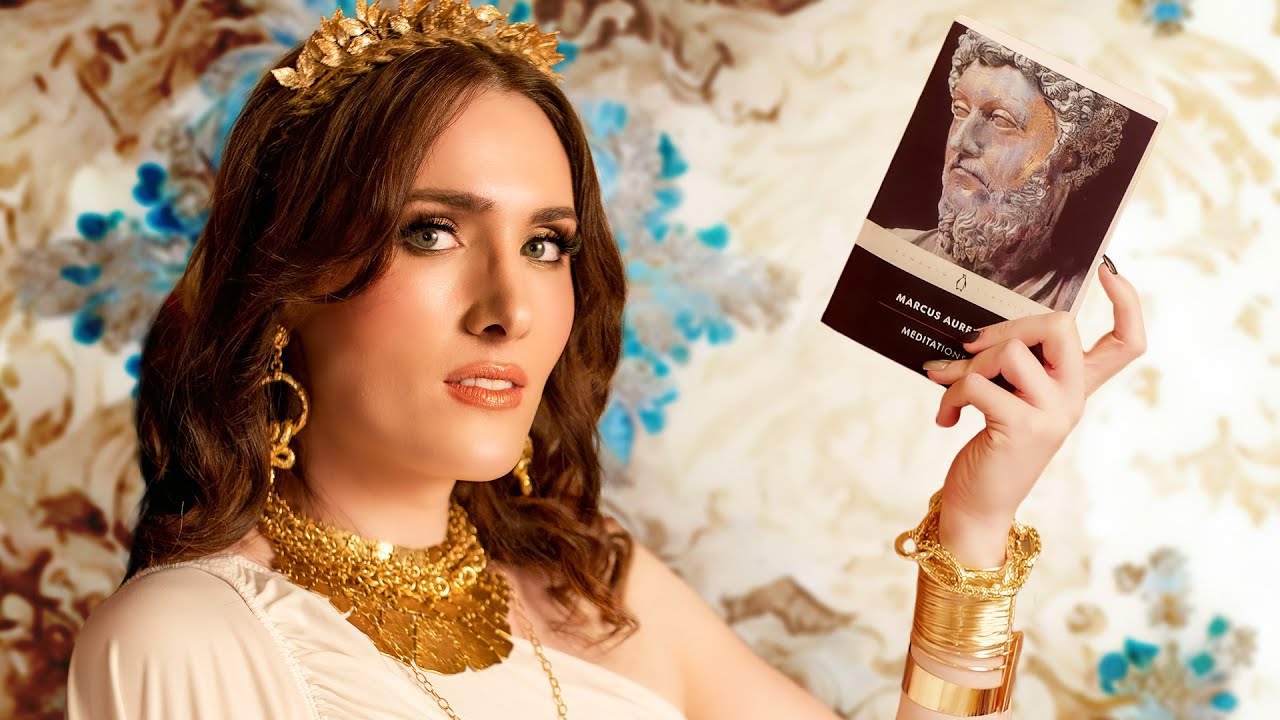
The CRUELTY of STOICISM | Did Aurelius & Seneca Promote Philosophical Stockholm Syndrome?
Автор: Empire of the Mind
Загружено: 2021-01-26
Просмотров: 89273
Описание:
Stoicism is wildly popular. You can’t go far on ye old Instagram without being confronted with Marcus Aurelius, Seneca, Epictetus, or one of their less intellectual acolytes, telling you to get your life together, subdue your passions, control yourself and just be happy. Despite its wild popularity among self-help writers, life-coaches, and social media, the Ancient philosophy often cuts against what we would consider to be immoral. In fact There are some things in Stoic teaching that are genuinely horrifying, things that we should not ignore.
I want to tell you a story you’re probably not going find in a self-help book or a life-style blog. It comes from Seneca’s letter LXXVII to Lucilius.
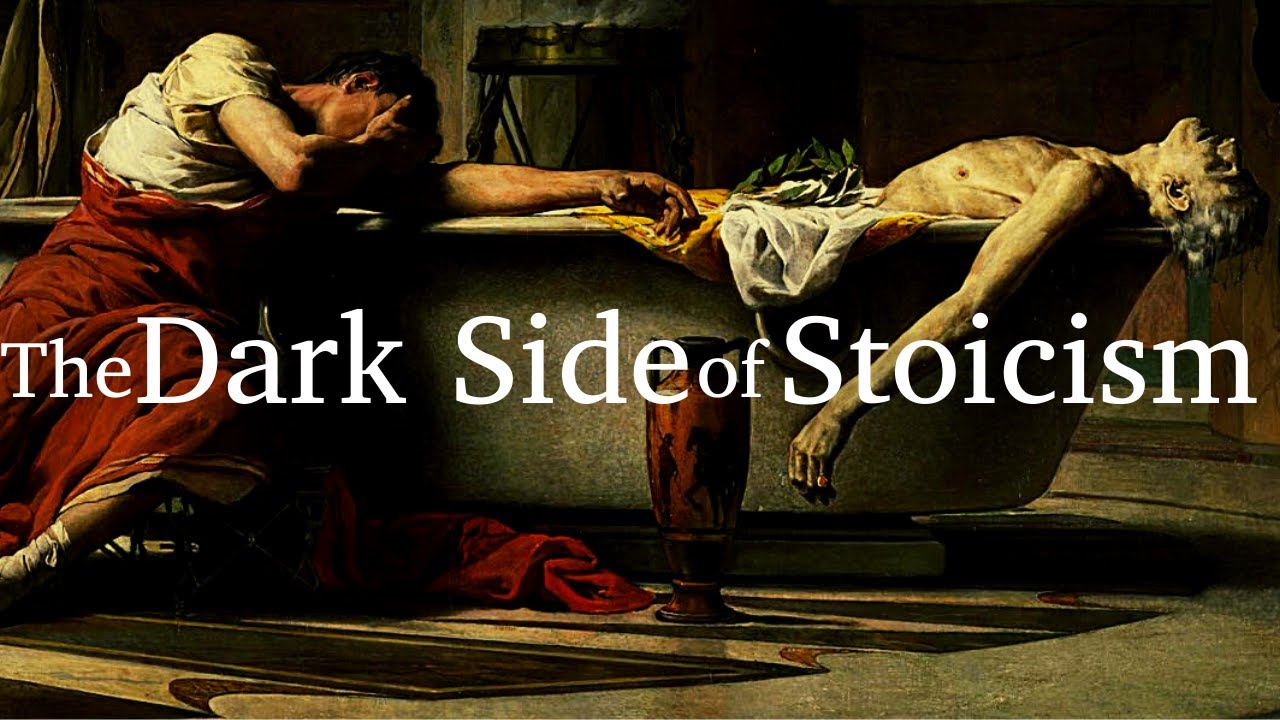
Seneca tells us about a man named Tullius Marcellinnus who came down with a disease. This disease was not incurable, but it was protracted and it seems very troublesome. Seneca tells us that Marcellinnus began to contemplate suicide. A Stoic friend encourages Marcellinus to go forward with it, and Marcellinus takes his advice.
Seneca concludes by telling Lucillius that his example has, quote, ‘practical value for the future.’ Meaning presumably that we should take this as an example to accept death, welcome it, and face it cheerfully. And I think there’s actually some good advice here concerning death that I plan to talk about in a future video. But there’s an obvious moral problem for us here on the surface, and that is suicide. And not just the act itself, but actually the encouragement to press someone who is hesitant to take his own life. And it’s not like we’re talking about a terminal illness. It’s an illness that Marcellinus could have recovered from—he could have gone on to live—but the Stoic philosopher says, no, it’s not really worth it.
And I think that’s really the biggest problem here: it’s the devaluation of life. The idea that quote, ‘It is not an important matter to live,” as another translation renders it. The stoic essentially reduces life down to eating, sleeping, and reproducing, which by the way many scientists, and pop-reductionists do as well. Which I find insidious. I have to quote Jesus and ask, “is not life more than food, and the body more than clothing!?” The stoic equates us with animals who similarly eat, sleep, and reproduce. But as Jesus asks, “Are we not worth much more than birds?” Is there not something profoundly meaningful and valuable in the mystery of consciousness, of intelligent thought which, in the great mystery of being we both produce and are produced by?
Personally, I am all in favor of putting a small value on things like wealth, possessions, career—even pleasures and creature comforts—but I’m not willing to similarly devalue the life of human beings. Nor am I willing to say, like the Stoics, that because these things are inevitable, they are therefore to be accepted as good or right. Marcus Aurelius says in book IV of his Meditations that, “All things that happen, happen aright.” So just pause a moment and think of all the worst atrocities, and crimes committed against human beings. For stoics, those things are good. They are right, because they are ordained by the divine logos. And because you should conform your will to the divine logos, you should therefore love the things that happen to you. Again, Marcus Aurelius, Meditations, Book VII.
“Love that only which happens to thee and is spun with the thread of thy destiny. For what is more suitable?”
I admit that I have a grudging respect for this approach to life. Amour fati—love your fate. Love what has happened to you. As Nietzsche describes, it is the hard times that are most fruitful. And I appreciate the Stoic logic which says even though things appear evil, it logically follows that if God, or the divine logos, the Ens Realisimum, decrees it, it must therefore be good, even if we can’t quite understand that. But I cannot accept the part of Stoicism that says that everything that happens is just. I would rather believe in a Leibnizian, deterministic God who decrees evil that good may come, rather than believe that all that happens is in and of itself good.
#Stoic #MarcusAurelius #Philosophy #Stoicism
Music
Seeker, Kai Engel
https://freemusicarchive.org/music/Ka...
Tumult, Kai Engel
https://freemusicarchive.org/music/Ka...
Повторяем попытку...
Доступные форматы для скачивания:
Скачать видео
-
Информация по загрузке: