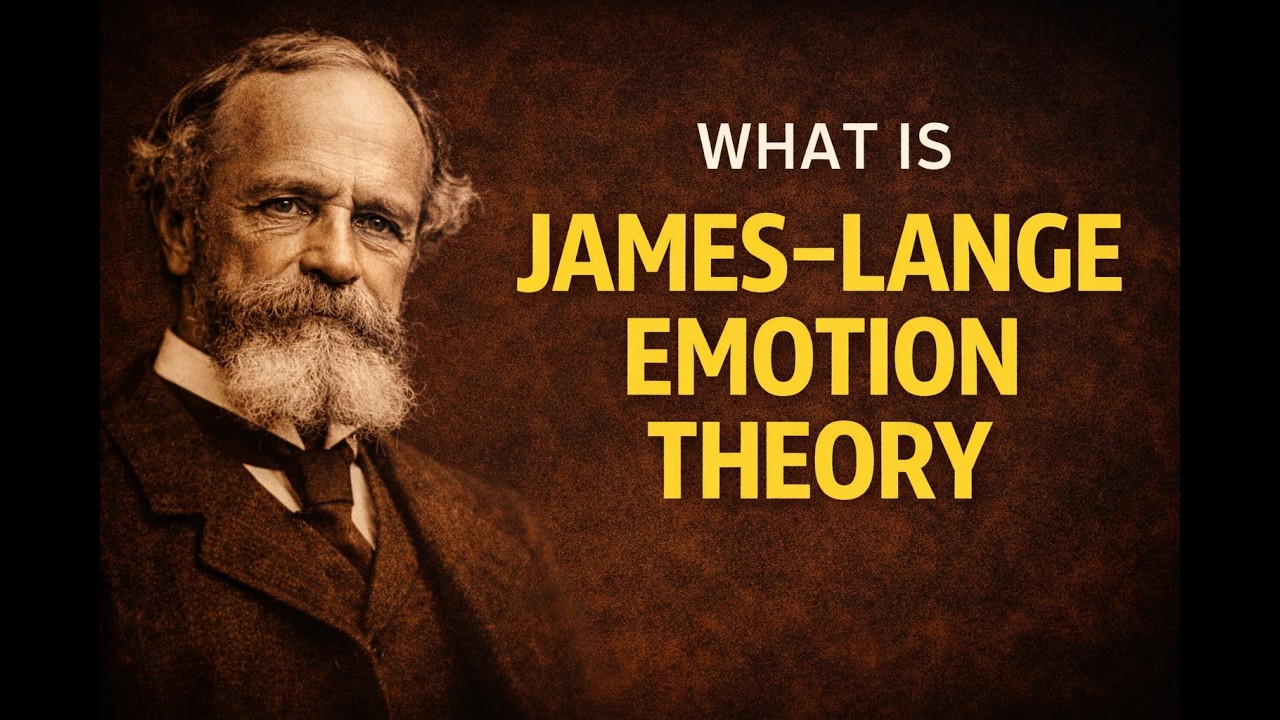
What Is the James–Lange Theory of Emotion? (Explained Clearly with Examples)
Автор: The Psychology of William James
Загружено: 2026-02-18
Просмотров: 0
Описание:
What is the James–Lange theory of emotion—and how is it different from Cannon–Bard and Schachter–Singer? In this video, we break down one of the most important theories in the history of psychology in a clear, student-friendly way.
William James proposed a radical idea: emotions are not the cause of bodily reactions—they are the perception of those reactions. In other words, we feel afraid because we tremble, not the other way around. This explanation reshaped modern emotion theory and laid the foundation for embodied psychology.
In this lesson, you’ll learn:
• The exact definition of the James–Lange theory
• The step-by-step sequence (stimulus → physiological arousal → emotion)
• Classic examples (the bear, fear, anger, sadness)
• Key criticisms from Cannon–Bard
• How the two-factor theory (Schachter–Singer) modified the model
• How modern neuroscience views bodily feedback and emotion
This video is ideal for AP Psychology, Intro to Psychology, college psychology courses, and exam review. If you’re preparing for tests or writing essays about emotion theories, this breakdown will help you understand the conceptual differences clearly and confidently.
William James changed psychology by arguing that emotions are embodied processes, not just mental labels. Understanding this theory will deepen your grasp of how feelings, physiology, and cognition interact.
Keywords: James–Lange theory, emotion theory explained, William James psychology, AP Psychology emotion theories, Cannon–Bard vs James–Lange, Schachter–Singer two-factor theory, physiological arousal and emotion, embodied emotion, psychology exam review.
Повторяем попытку...
Доступные форматы для скачивания:
Скачать видео
-
Информация по загрузке: