How the F4U Corsair Survived Its Own Design | WW2 Aircraft Engineering
Автор: IRON BLUEPRINT
Загружено: 2026-01-29
Просмотров: 25
Описание:
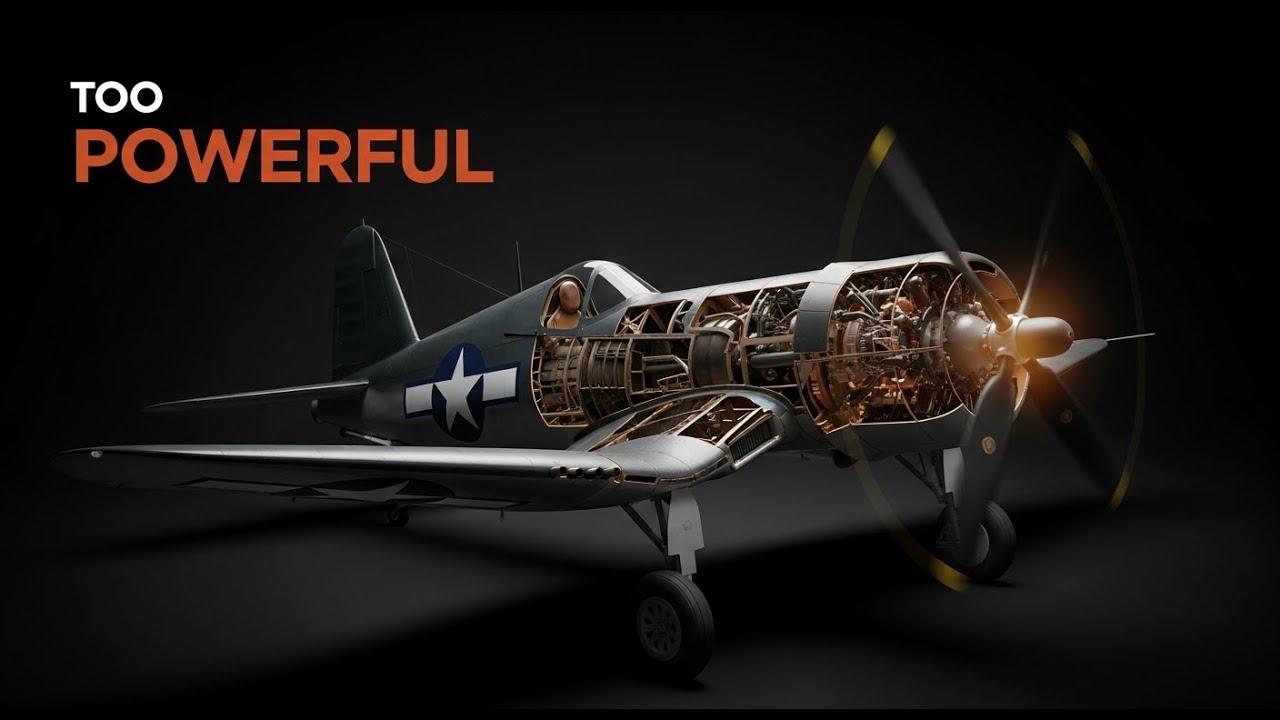
How did the F4U Corsair survive a design that nearly made it unusable?
When the F4U Corsair first appeared, the U.S. Navy considered it too dangerous for aircraft carriers.
Its engine produced more power than naval aviation could safely manage. Landing speeds were high. Torque punished mistakes. Visibility over the nose was poor. Early carrier trials ended in crashes, damaged aircraft, and dead pilots.
This video explores how the Corsair survived its own design flaws — not by becoming easier to fly, but by being supported by a system strong enough to absorb its weaknesses.
We break down the engineering decisions behind the Corsair’s massive Pratt & Whitney R-2800 engine, the inverted gull wing, torque control problems, structural survivability, fuel system design, armament flexibility, and the brutal reality of carrier operations. Most importantly, we show how training, procedures, maintenance, and industrial capacity turned a dangerous aircraft into one of the most reliable carrier fighters of World War II.
This is not a story about a perfect aircraft.
It is a story about resilient engineering — where failure is expected, mistakes are absorbed, and systems are built to survive reality instead of theory.
This is IRON BLUEPRINT.
🔧 What You’ll Learn in This Video:
Why the Corsair was initially rejected for carrier operations
How engine power created unavoidable design trade-offs
The real reason behind the inverted gull wing
How torque and human limits caused deadly landing accidents
Why the Corsair’s structure prioritized survival over elegance
How fuel, range, and payload shaped Pacific War operations
Why procedures became part of the machine itself
How a difficult aircraft succeeded inside the right system
⏱ Chapters:
00:00 The Corsair Problem
01:38 Engine First – The Source of All Problems
03:39 The Inverted Gull Wing
05:33 Torque, Control, and Human Error
07:21 Structure and Survivability
09:13 Fuel, Range, and Flexibility
11:21 Armament and Role Compression
13:21 Managing Risk in the Cockpit
15:22 Carrier Procedures and Discipline
17:11 Why the Corsair Worked Anyway
18:56 The Iron Blueprint Lesson
If you’re interested in WW2 aircraft engineering, system design, and the hidden cost of performance, this video is for you.
👍 Like the video if you value engineering history without myths
💬 Comment which aircraft you want analyzed next
🔔 Subscribe for weekly deep dives into military engineering systems
#F4UCorsair #WW2Engineering #MilitaryAviation #AircraftEngineering #IronBlueprint #NavalAviation
Повторяем попытку...
Доступные форматы для скачивания:
Скачать видео
-
Информация по загрузке: