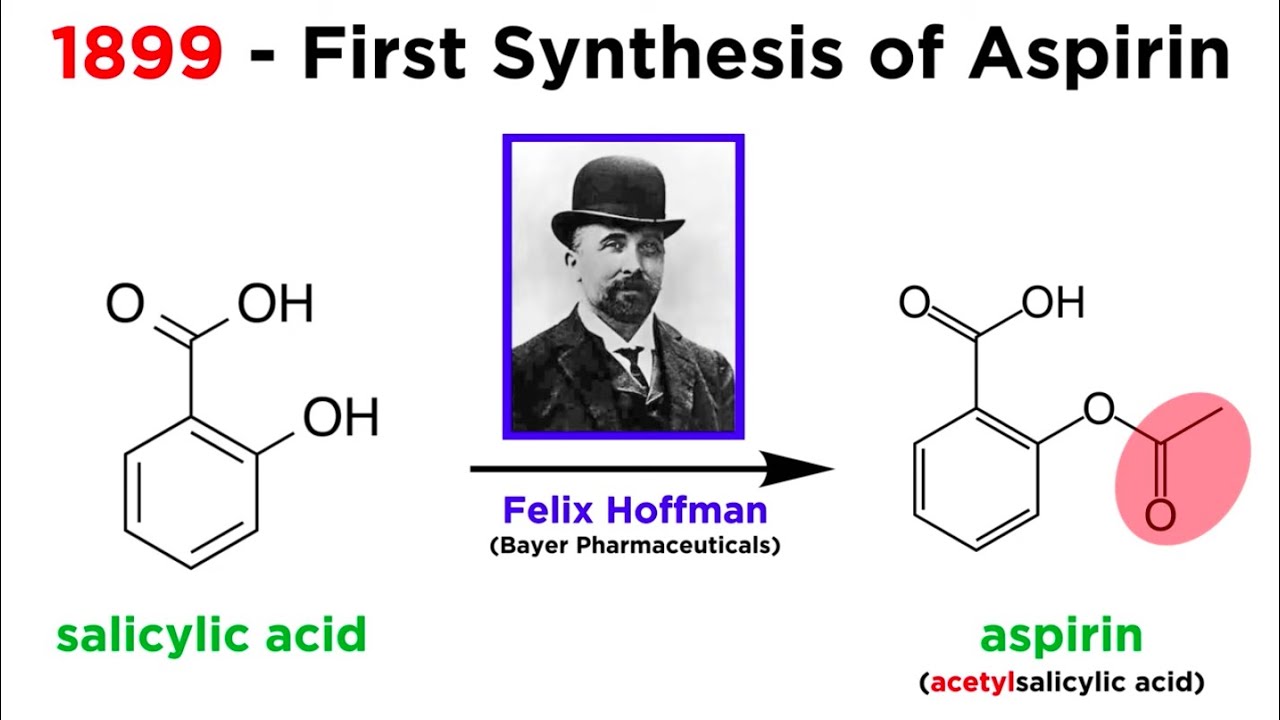
SYNTHESIS | USES | SIDE EFFECTS OF ASPIRIN
Автор: TETRAHEDRON CHEMISTRY CLASSES
Загружено: 2023-05-25
Просмотров: 453
Описание:
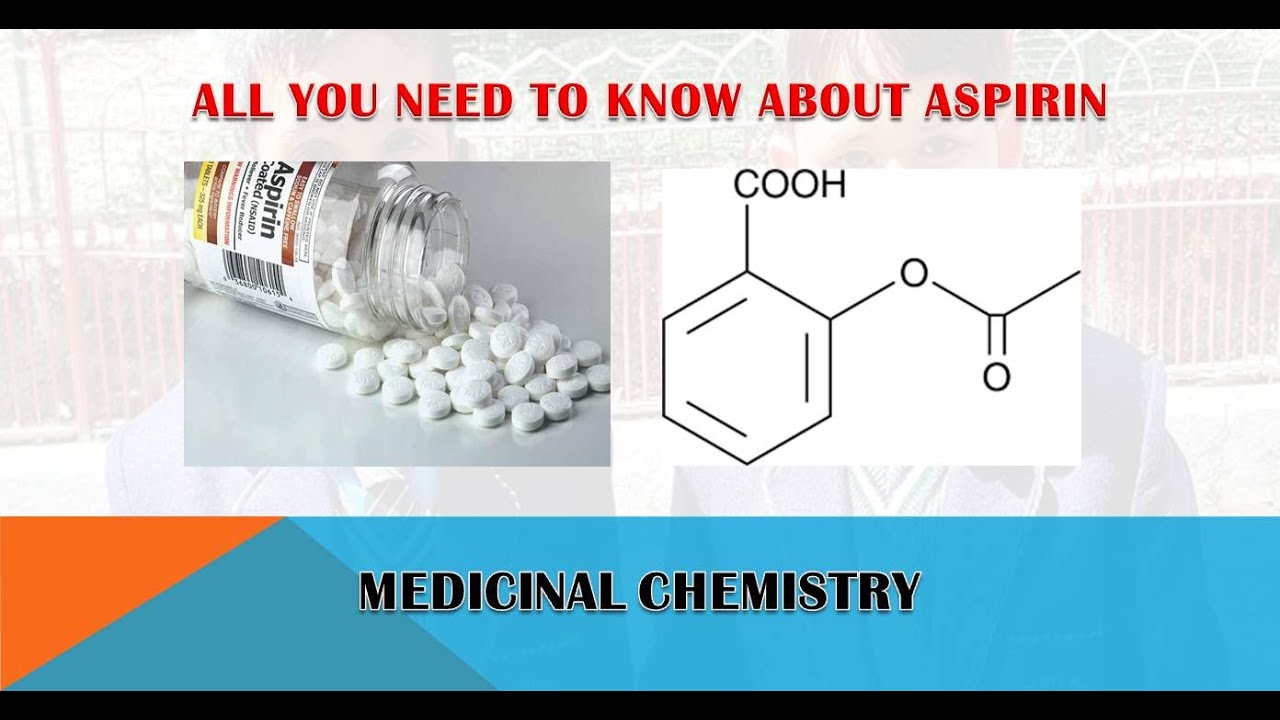
Prescription aspirin is used to relieve the symptoms of rheumatoid arthritis (arthritis caused by swelling of the lining of the joints), osteoarthritis (arthritis caused by breakdown of the lining of the joints), systemic lupus erythematosus (condition in which the immune system attacks the joints and organs and causes pain and swelling) and certain other rheumatologic conditions (conditions in which the immune system attacks parts of the body). Nonprescription aspirin is used to reduce fever and to relieve mild to moderate pain from headaches, menstrual periods, arthritis, toothaches, and muscle aches. Nonprescription aspirin is also used to prevent heart attacks in people who have had a heart attack in the past or who have angina (chest pain that occurs when the heart does not get enough oxygen). Nonprescription aspirin is also used to reduce the risk of death in people who are experiencing or who have recently experienced a heart attack. Nonprescription aspirin is also used to prevent ischemic strokes (strokes that occur when a blood clot blocks the flow of blood to the brain) or mini-strokes (strokes that occur when the flow of blood to the brain is blocked for a short time) in people who have had this type of stroke or mini-stroke in the past. Aspirin will not prevent hemorrhagic strokes (strokes caused by bleeding in the brain). Aspirin is in a group of medications called salicylates. It works by stopping the production of certain natural substances that cause fever, pain, swelling, and blood clots.
Before taking aspirin,
tell your doctor and pharmacist if you are allergic to aspirin, other medications for pain or fever, tartrazine dye, or any other medications.
tell your doctor and pharmacist what prescription and nonprescription medications, vitamins, nutritional supplements, and herbal products you are taking or plan to take. Be sure to mention any of the following: acetazolamide (Diamox); angiotensin-converting enzyme (ACE) inhibitors such as benazepril (Lotensin), captopril (Capoten), enalapril (Vasotec), fosinopril (Monopril), lisinopril (Prinivil, Zestril), moexipril (Univasc), perindopril, (Aceon), quinapril (Accupril), ramipril (Altace), and trandolapril (Mavik); anticoagulants ('blood thinners') such as warfarin (Coumadin) and heparin; beta blockers such as atenolol (Tenormin), labetalol (Normodyne), metoprolol (Lopressor, Toprol XL), nadolol (Corgard), and propranolol (Inderal); diuretics ('water pills'); medications for diabetes or arthritis; medications for gout such as probenecid and sulfinpyrazone (Anturane); methotrexate (Trexall); other nonsteroidal anti-inflammatory drugs (NSAIDs) such as naproxen (Aleve, Naprosyn); phenytoin (Dilantin); and valproic acid (Depakene, Depakote). Your doctor may need to change the doses of your medications or monitor you more carefully for side effects.
if you are taking aspirin on a regular basis to prevent heart attack or stroke, do not take ibuprofen (Advil, Motrin) to treat pain or fever without talking to your doctor. Your doctor will probably tell you to allow some time to pass between taking your daily dose of aspirin and taking a dose of ibuprofen.
tell your doctor if you have or have ever had asthma, frequent stuffed or runny nose, or nasal polyps (growths on the linings of the nose). If you have these conditions, there is a risk that you will have an allergic reaction to aspirin. Your doctor may tell you that you should not take aspirin.
tell your doctor if you often have heartburn, upset stomach, or stomach pain and if you have or have ever had ulcers, anemia, bleeding problems such as hemophilia, or kidney or liver disease.
tell your doctor if you are pregnant, you plan to become pregnant, or if you are breast-feeding. Low dose aspirin 81-mg may be taken during pregnancy, but aspirin doses greater that 81 mg may harm the fetus and cause problems with delivery if it is taken around 20 weeks or later during pregnancy. Do not take aspirin doses greater that 81 mg (e.g., 325 mg) around or after 20 weeks of pregnancy, unless told to do so by your doctor. If you become pregnant while taking aspirin or aspirin containing medications, call your doctor.
if you are having surgery, including dental surgery, tell the doctor or dentist that you are taking aspirin.
if you drink three or more alcoholic drinks every day, ask your doctor if you should take aspirin or other medications for pain and fever.
#ASPIRIN #SYNTHESIS #USES #TOXICITY
Повторяем попытку...
Доступные форматы для скачивания:
Скачать видео
-
Информация по загрузке: