How to fit and adjust a Tatonka womens' backpack | TATONKA - EXPEDITION LIFE
Автор: TATONKAcom
Загружено: 2012-02-07
Просмотров: 6836
Описание:
Learn how to adjust a women's backpack step by step
TATONKA's Thomas Daniel shows how to fit a backpack and where the rucksack should sit on your back. Click the link and experience the outdoor brand TATONKA: http://www.tatonka.com.
Here you will see all TATONKA backpacks: http://www.tatonka.com/en/Backpacks
Visit TATONKA on other channels:
TATONKA on Facebook: / tatonkacom
TATONKA on Instagram: / tatonkacom
Find out more about our project 'Open Factory' on http://openfactory.tatonka.com/.
Thomas Daniel, Sales Manager Germany at TATONKA:
Why do we have backpacks for women? Well, a woman has other physics. One being the height. So in general the backpack will be a little shorter. Resulting most likely in a slightly smaller volume as well. An important difference is the design of the hip belt which is shorter than the men's. The most important difference lies in the shoulder strap region. Clearly visible here in the direct comparison. The shoulder strap of the unisex or men's backpack is relatively less curved, the S-shape less expressed and the strap longer. With the women's backpack you can see that the strap is shorter and the S-shape much more prominent. Especially in the chest region to avoid problems like pressure and discomfort.
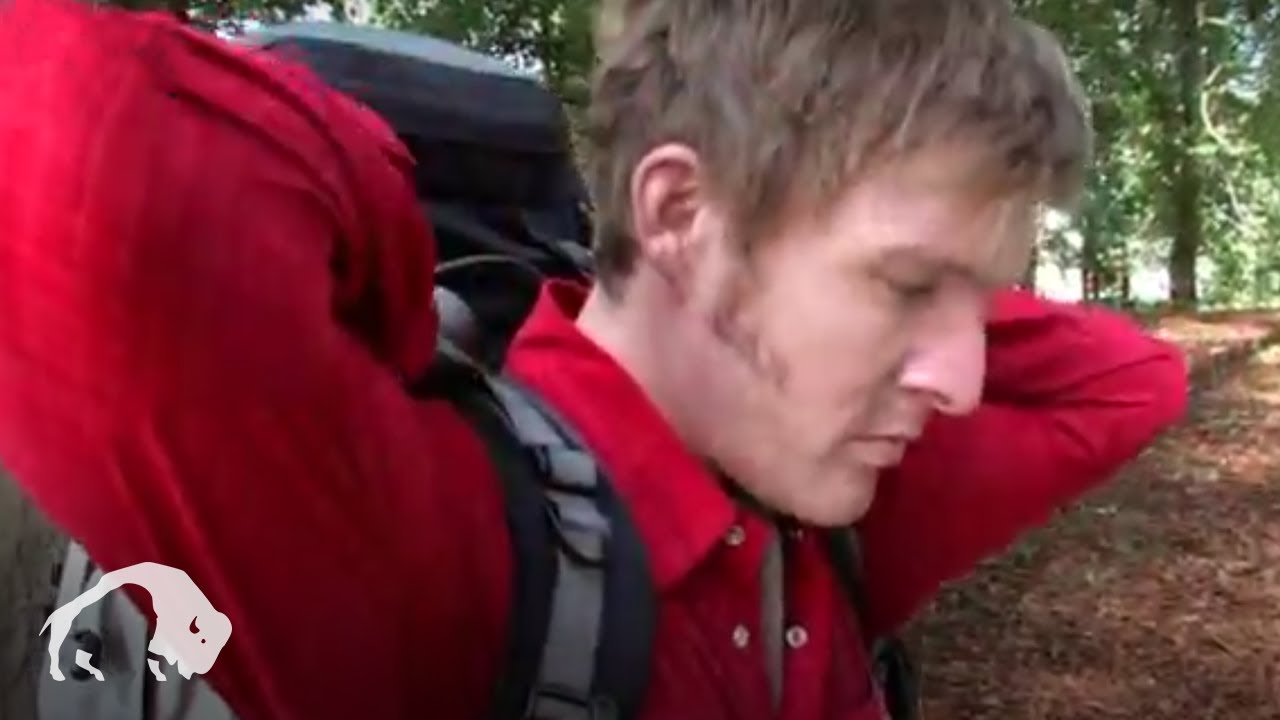
Okay, now try it on. Look if all straps are loosened for easy access. Place the backpack on the thigh. Now check where the hip bones are standig out. You can easily feel it. This is where the hip belt has to be fixated. Apply tension to the belt. Check if it matches with the hip bones and which position feels most comfortable. With most women it feels better if the belt sits a little higher than with men, usually right in the middle position. Yes pull tight! That was step one.
Step two is the shoulder strap: Grab it and pull it down and backwards behind the shoulders so that the straps are sitting tightly but without pressure around the shoulders. Then grap above the shoulder to the load lifters. Pull as well until you feel the tension but not further.
At last you can close the sternum strap. Check if it's located at the correct position. You can vary a little bit. This looks pretty good and prevents the shoulder straps to slip away towards the side. They remain in a comfortable position. When you grab the straps underneath the shoulder and release a little bit of the tension with the buckle from the strap you will realize how the weight will be lowered and transferred to the hip while the shoulder is relieved.
IMPORTANT to know!
To properly fit a trekking rucksack, it must be loaded and all the straps must initially be loosened. The order in which the belts and straps are tightened is important: Always start with
the hip belt,
then the shoulder straps,
and then the positioning adjustment straps.
Approximately the middle of the hip belt should close around the hip bones. Then tighten the shoulder straps. The padding should be snug against the shoulders. But do not make them too tight as this shifts the load too far away from the hips and onto the shoulders. The position adjustment straps (on the shoulder straps) must be attached in the area of the collar bone.
By slightly tightening them, the backpack is positioned on the back. Make sure the shoulder straps lay clean and snug to the shoulders.
The length of the back is correct if the position adjustment straps are adjusted between 20° and 30° to the horizontal. For anything less than 20° you should select a longer back and for anything more than 30° a shorter back. The sternum strap between the shoulder straps relieves the shoulder joints of loads (important when climbing, skiing and hiking).
Visit our website on http://www.tatonka.com.
Повторяем попытку...

Доступные форматы для скачивания:
Скачать видео
-
Информация по загрузке: