Checking slings and conducting risk assessments
Автор: The Mental Health Nurse & BrightPath Neuro
Загружено: 2024-04-20
Просмотров: 30
Описание:
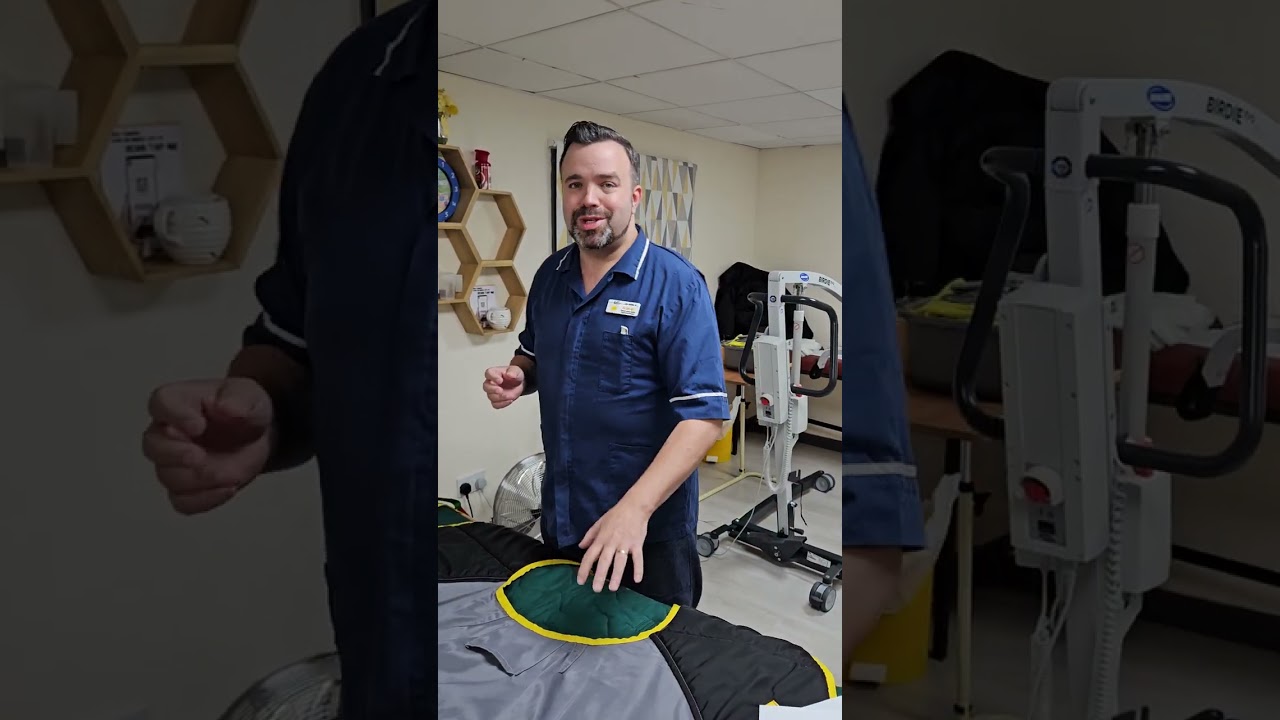
Checking slings and conducting risk assessments are crucial steps in ensuring the safety and effectiveness of patient transfers. Here's how you can perform these tasks:
Regular Inspection: Inspect slings regularly for signs of wear, tear, or damage. Check for fraying straps, loose stitching, or weakened material. It's essential to do this before each use and periodically as part of routine maintenance.
Manufacturer Guidelines: Follow the manufacturer's guidelines for sling inspection and maintenance. They often provide specific instructions on how to inspect slings and when to replace them based on usage and wear.
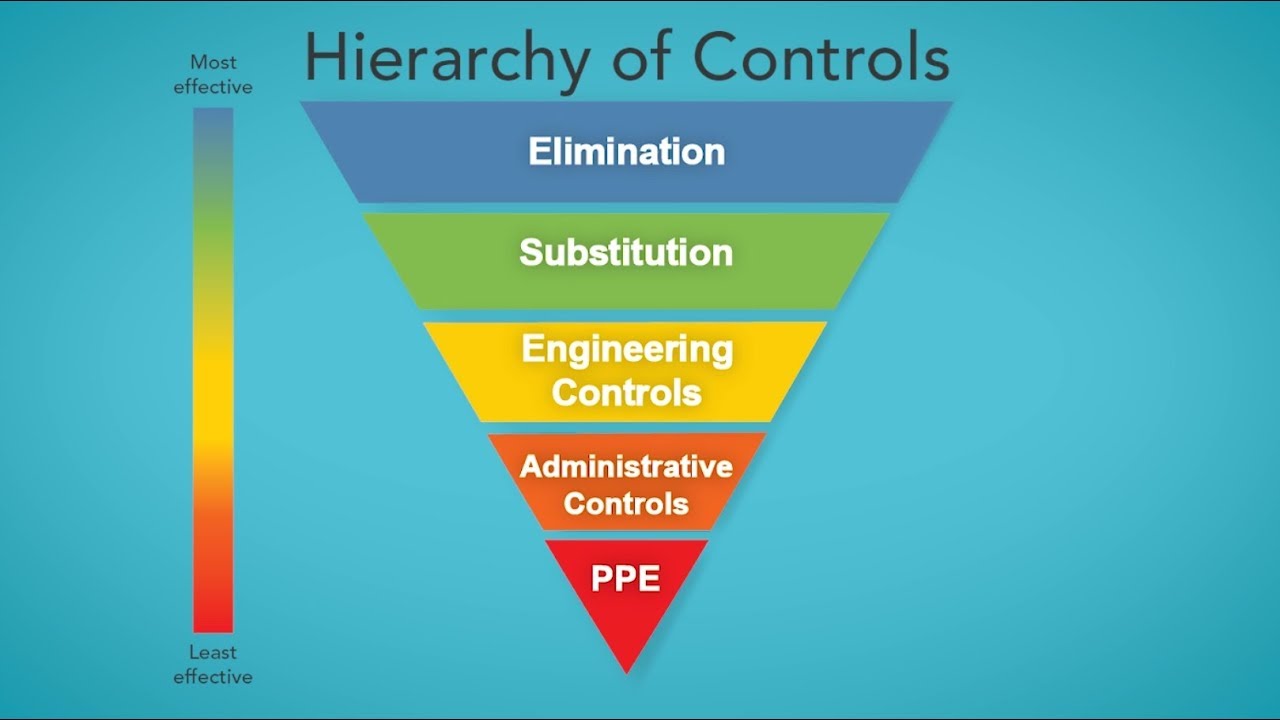
Risk Assessment: Conduct a risk assessment before each transfer to identify any potential hazards or factors that may affect the safety of the transfer. Consider the individual's mobility, strength, cognitive abilities, and any medical conditions that may impact the transfer.
Individual Assessment: Assess the individual's size, weight, and mobility level to determine the most appropriate sling and transfer technique. Ensure the sling is the correct size and type for the individual's needs.
Sling Labeling: Check the labeling on the sling to ensure it matches the individual's requirements and the type of transfer being performed. Pay attention to weight limits and specific usage instructions provided by the manufacturer.
Environmental Factors: Consider environmental factors such as space constraints, flooring surfaces, and obstacles that may impact the transfer. Ensure there is enough room to maneuver safely and that the transfer surface is stable and level.
Staff Training: Ensure staff members are trained in proper sling use and transfer techniques. Provide ongoing education and refresher training to ensure staff competency and confidence in using slings safely.
Documentation: Document all sling inspections, risk assessments, and transfers in the individual's care records. Keep detailed records of any issues identified during inspections and any actions taken to address them.
Reporting and Communication: Encourage staff members to report any concerns or issues with slings promptly. Foster open communication between staff members to ensure that any safety issues are addressed promptly and effectively.
Feedback and Review: Regularly review sling use and transfer practices to identify areas for improvement. Solicit feedback from staff members and individuals receiving care to ensure their needs and preferences are being met.
By conducting regular sling inspections, risk assessments, and staff training, you can help ensure the safety and effectiveness of patient transfers while minimizing the risk of injury to both staff and individuals receiving care.Checking slings and conducting risk assessments are crucial steps in ensuring the safety and effectiveness of patient transfers. Here's how you can perform these tasks:
Regular Inspection: Inspect slings regularly for signs of wear, tear, or damage. Check for fraying straps, loose stitching, or weakened material. It's essential to do this before each use and periodically as part of routine maintenance.
Manufacturer Guidelines: Follow the manufacturer's guidelines for sling inspection and maintenance. They often provide specific instructions on how to inspect slings and when to replace them based on usage and wear.
Risk Assessment: Conduct a risk assessment before each transfer to identify any potential hazards or factors that may affect the safety of the transfer. Consider the individual's mobility, strength, cognitive abilities, and any medical conditions that may impact the transfer.
Individual Assessment: Assess the individual's size, weight, and mobility level to determine the most appropriate sling and transfer technique. Ensure the sling is the correct size and type for the individual's needs.
Sling Labeling: Check the labeling on the sling to ensure it matches the individual's requirements and the type of transfer being performed. Pay attention to weight limits and specific usage instructions provided by the manufacturer.
Environmental Factors: Consider environmental factors such as space constraints, flooring surfaces, and obstacles that may impact the transfer. Ensure there is enough room to maneuver safely and that the transfer surface is stable and level.
Staff Training: Ensure staff members are trained in proper sling use and transfer techniques. Provide ongoing education and refresher training to ensure staff competency and confidence in using slings safely.
Documentation: Document all sling inspections, risk assessments, and transfers in the individual's care records. Keep detailed records of any issues identified during inspections and any actions taken to address them.
Reporting and Communication: Encourage staff members to report any concerns or issues with slings promptly. Foster open communication between staff members to ensure that any safety issues are addressed promptly and effectively.
Повторяем попытку...
Доступные форматы для скачивания:
Скачать видео
-
Информация по загрузке: