EPR Spectroscopy
Автор: MaxPlanckSociety
Загружено: 2015-07-24
Просмотров: 18052
Описание:
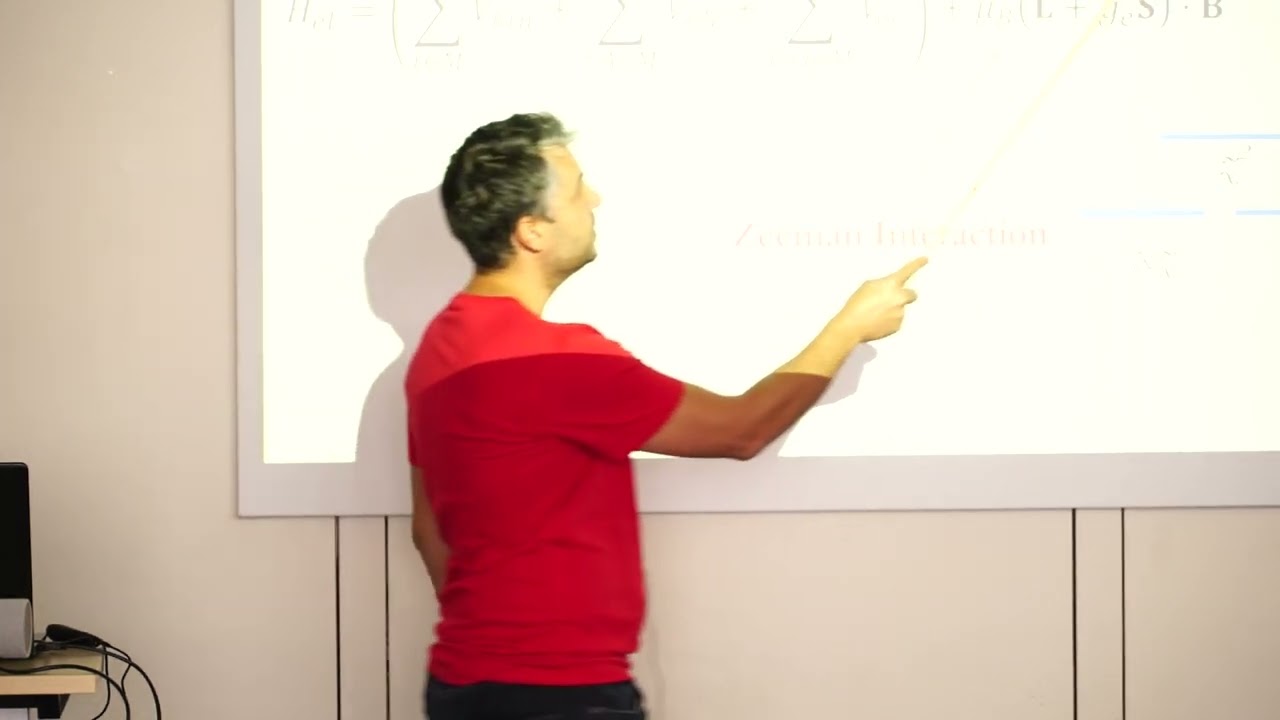
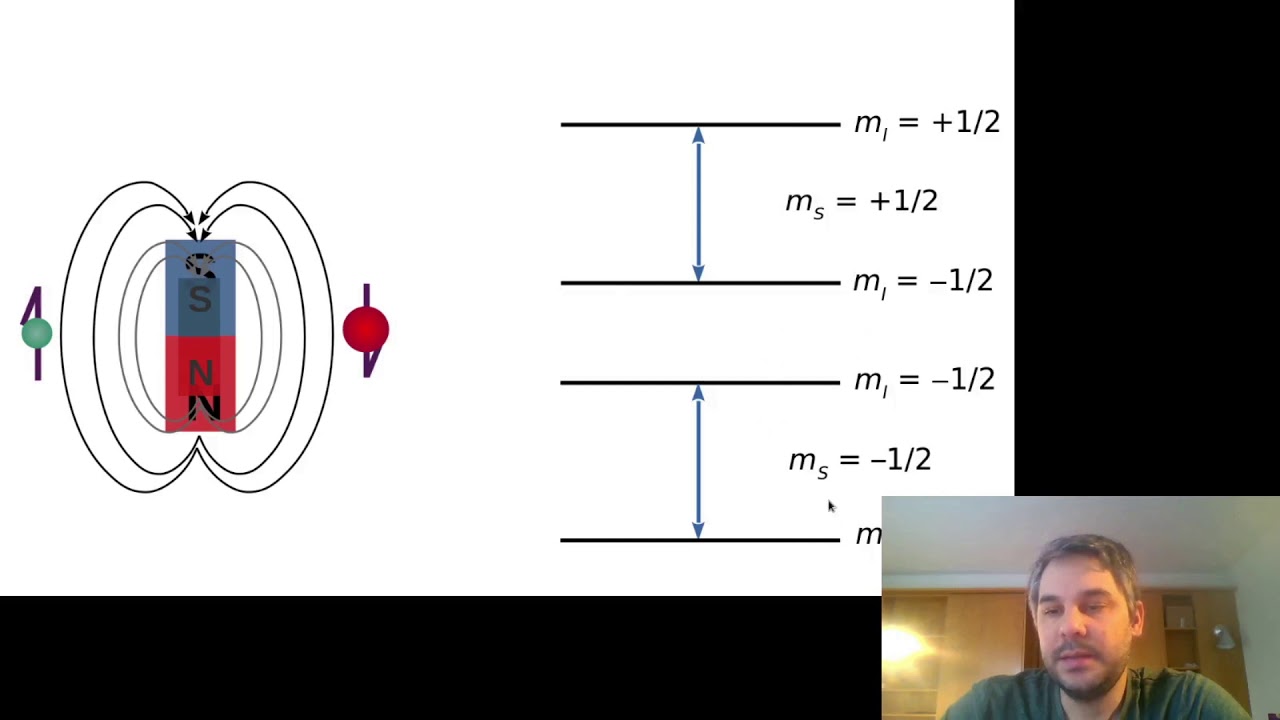
In this lecture, Maurice van Gastel from the Max Planck Institute for Chemical Energy Conversion introduces electron paramagnetic resonance (EPR) or electron spin resonance (ESR) spectroscopy, one of the primary magnetic spectroscopies.
EPR spectroscopy is not commonly used to investigate substances or reactivities, which is unfortunate. Worse, the method is not well established at universities. The reason for this probably is related to the fact that EPR spectroscopy does not provide a spatial picture of the molecule or solid that one can directly look at, like in X-ray crystallography, microscopy or even NMR spectroscopy. Rather, it provides information about the electronic structure and the location of particles that carry the spin, the electrons, in particular the reactive ones.
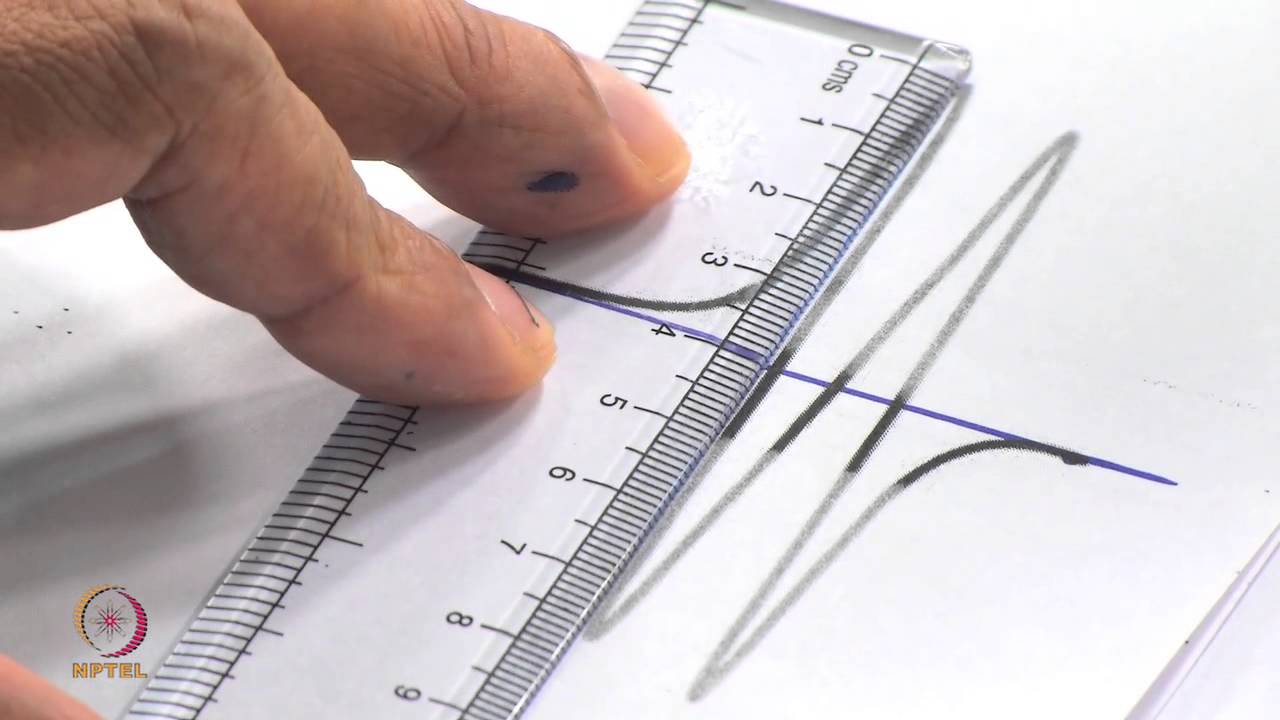
This information is not accessible by any other method and provides invaluable information about for example ligand field splitting in inorganic chemistry or about reactive parts of the catalyst molecules in catalysis. Typical EPR spectra and methods are discussed as well as the parameters which can be retrieved from the spectra. Emphasis is put on how to translate these parameters into chemical information.
Повторяем попытку...

Доступные форматы для скачивания:
Скачать видео
-
Информация по загрузке: