Which Energy Transition Metals Gain from Rio Tinto's $6.7B Lithium Bet
Автор: Crux Investor
Загружено: 2024-10-19
Просмотров: 6414
Описание:
Recording date: 17th October 2024
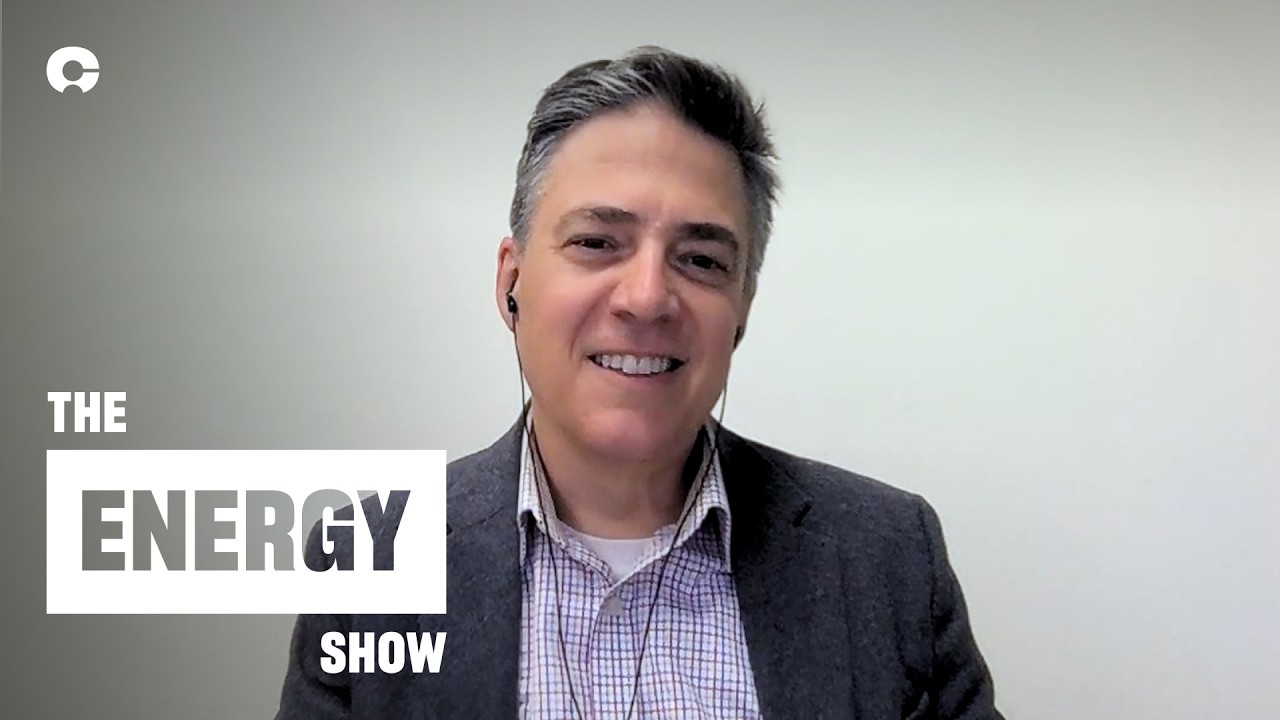
Interview with Andy Home, Senior Metals Columnist, Reuters
The global metals market is experiencing significant volatility and transformation, driven by the ongoing energy transition and geopolitical tensions. This dynamic landscape presents both challenges and opportunities for investors looking to capitalize on the critical minerals sector.
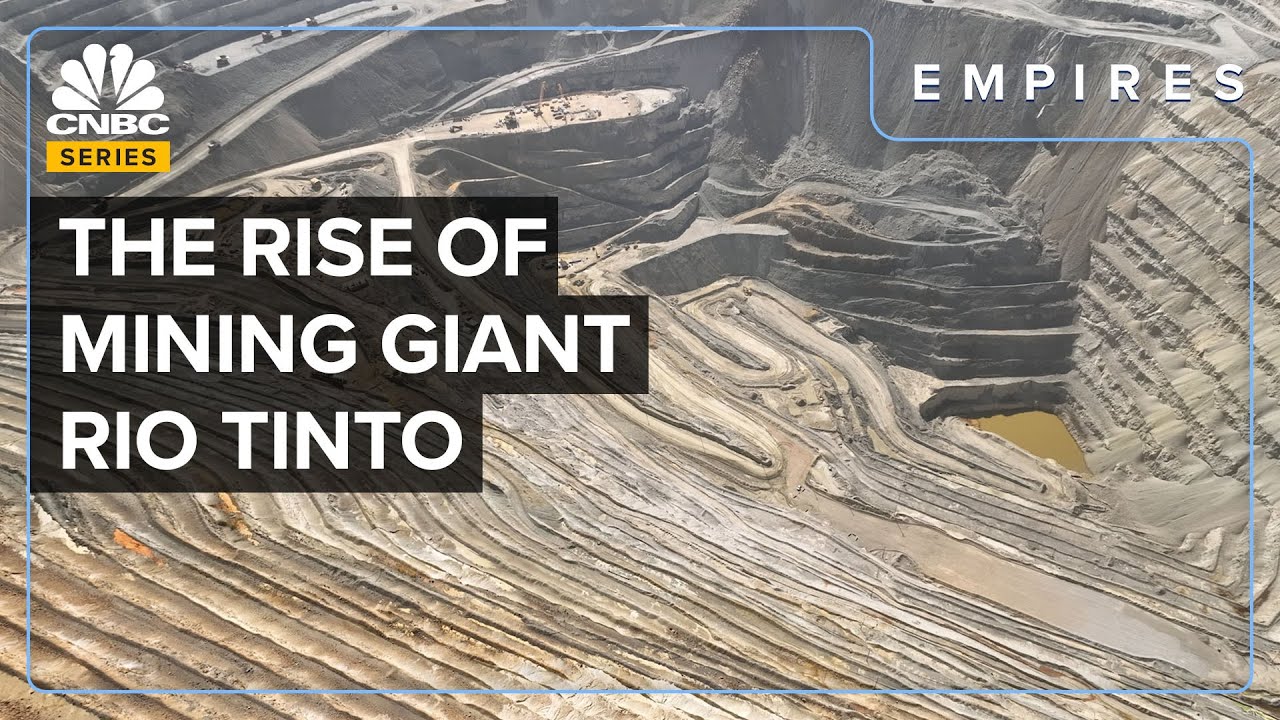
Lithium, a key component in electric vehicle batteries, has seen dramatic price fluctuations. After reaching record highs, prices have plummeted due to increased supply and slower-than-expected EV sales growth. However, the long-term outlook remains bullish, as evidenced by Rio Tinto's recent $6.7 billion acquisition of Arcadium Lithium. This deal, which will make Rio Tinto the world's third-largest lithium producer, signals confidence in the metal's future and highlights the importance of innovative technologies like direct lithium extraction (DLE).
Copper, often considered an economic bellwether, has shown resilience with prices recently breaking above $10,000 per metric ton. Despite projections of supply surpluses in 2024 and 2025, the metal's crucial role in renewable energy infrastructure and electric vehicles underpins its long-term demand prospects. Investors should note the current tightness in the raw materials segment, with near-zero treatment charges for copper concentrates indicating potential supply chain bottlenecks.
The zinc market faces a supply deficit in 2024 due to declining mine production and smelter output reductions. This situation has led to negative treatment charges for zinc concentrates, squeezing smelter margins. While a recovery is anticipated in 2025, ongoing volatility in the supply chain presents both risks and opportunities for investors.
Lead has seen an unexpected shift in trade patterns, with China becoming a net importer for the first time since 2020. This change, triggered by a squeeze on the Shanghai Futures Exchange, highlights the potential for regional imbalances to impact global markets despite overall supply adequacy.
Geopolitical considerations are increasingly shaping the metals market. The United States and its allies are pursuing strategies to develop domestic battery supply chains and reduce dependence on Chinese imports. These efforts include significant government investments, tariffs on Chinese imports, and international partnerships to develop new resources. For investors, these initiatives could create opportunities in companies positioned to benefit from government support and shifting supply chains.
Recycling and technological innovation are emerging as critical factors in the metals sector. The potential for increased "urban mining" in China could significantly impact global copper supply, while advancements in extraction technologies like DLE could reshape the competitive landscape in lithium production.
Despite short-term volatility, the long-term outlook for critical minerals remains strong. The International Energy Agency projects that demand for these materials could increase by up to six times by 2040 in a scenario consistent with meeting Paris Agreement goals. This growth trajectory presents compelling opportunities for investors willing to weather short-term fluctuations.
To navigate this complex landscape, investors should consider a balanced approach that includes exposure to established producers, innovative junior miners, and companies developing new technologies in extraction and recycling. Staying informed about policy developments, technological breakthroughs, and shifting market dynamics will be crucial for identifying opportunities and managing risks in this rapidly evolving sector.
—
Learn more: https://cruxinvestor.com/categories/c...
Sign up for Crux Investor: https://cruxinvestor.com
Повторяем попытку...
Доступные форматы для скачивания:
Скачать видео
-
Информация по загрузке: