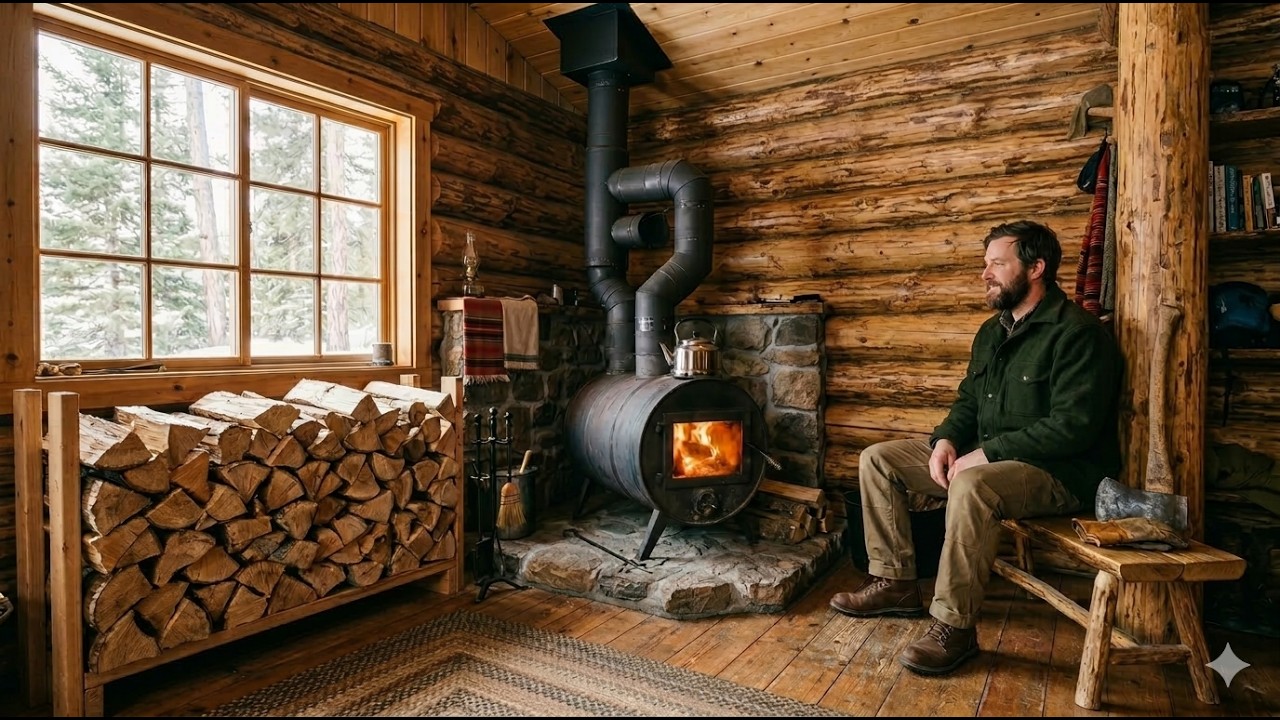
He Dug a Secret Room Under His Barn. Nobody Knew Until the Worst Winter in Eleven Years Hit.
Автор: Wild West Survival Tales
Загружено: 2026-03-20
Просмотров: 17
Описание:
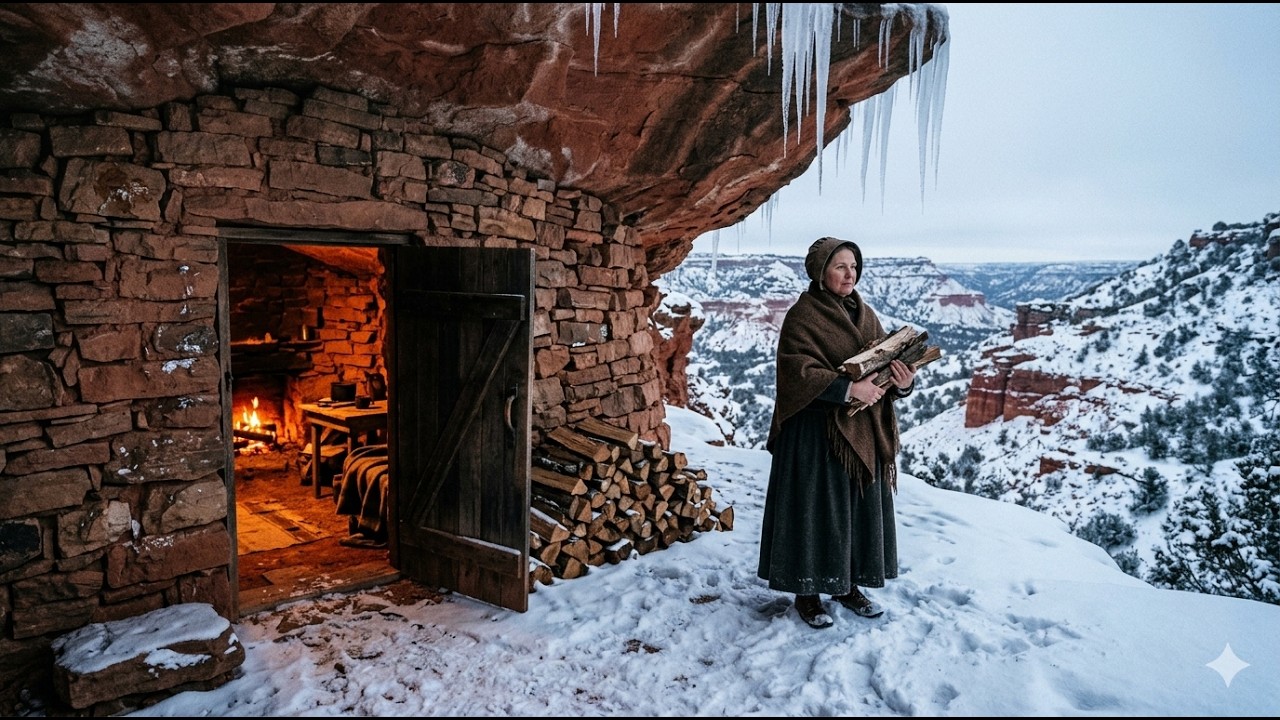
In the autumn of 1878 a Norwegian homesteader named Rolf Pedersen spent six weeks digging a hole beneath his barn floor in the Sand Hills of Nebraska while his neighbors watched the lumber go into his wagon at the Brewster trading post and asked what he was building. He told them he was improving the barn floor. They accepted this and moved on because barn floor improvements were not a remarkable category of activity on the Sand Hills and Rolf Pedersen was not a remarkable-seeming man.
Nobody asked a follow-up question. Nobody looked closely enough to find the trapdoor.
What Rolf had understood about the Sand Hills that his neighbors had not was specific and physical. The ground beneath the frost line held heat. Not warmth in any comfortable sense but a consistent thermal floor — stored summer energy that the earth released across the winter at a rate so gradual it was imperceptible day to day but measurable across the season. A sealed space enclosed within that earth, protected from the outside air that would otherwise equalize its temperature, would hold that stored warmth through the winter at a level determined by the depth of the enclosure and the density of the surrounding material.
He had felt it with his palm on his sod house floor in January of 1877 and had spent the following eighteen months thinking about what it meant and what could be built from it.
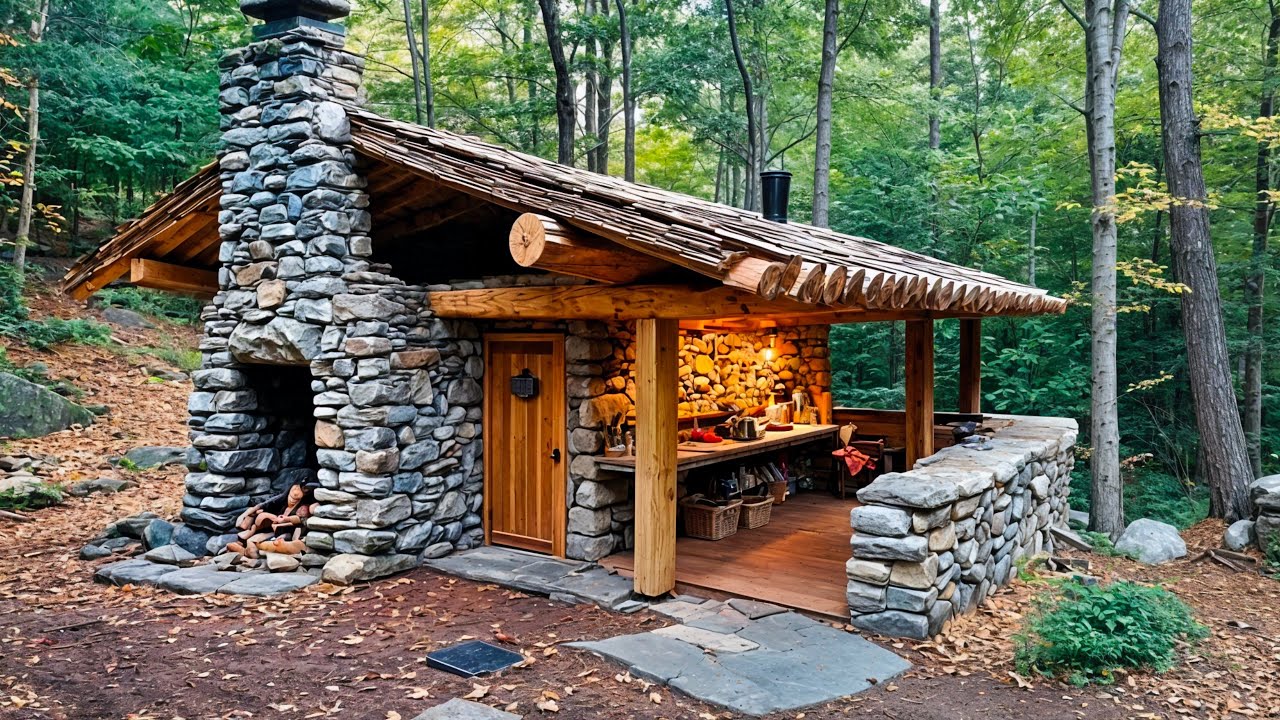
The dugout was twelve feet long, eight feet wide, six feet deep, excavated through twenty-two inches of sand into the clay hardpan below, walls cut vertical and square to within a half-inch of plumb, lined with tar paper and pine planking to prevent moisture migration, floored with pine plank over dry sand, fitted with a clay firebox vented through a horizontal flue channel angling through the barn foundation to exit behind a cordwood stack that concealed the opening from anyone who did not know to look for it. The trapdoor above was invisible under packed barn dirt. The construction had taken six weeks of evening work after the day's other tasks were done and had been seen by nobody because Rolf had scheduled it for August when the barn was used least and the neighbors had the least reason to be inside it.
In October the dugout held fifty-one degrees while the Sand Hills surface ran toward freezing. In January when nineteen consecutive days of minus eighteen to minus twenty-six degrees locked the plain in the worst sustained cold in eleven years, the dugout held forty-one to forty-four degrees and Rolf's cattle stood in the barn above it with their winter coats lying flat against their bodies in the posture of animals that are comfortable rather than cold.
Bill Hartley lost three cattle in the second week of January. He came to borrow Rolf's block and tackle and mentioned the loss flatly and looked at Rolf's barn the way he had been looking at it all winter without finding the explanation that satisfied him. Rolf took him inside and showed him the trapdoor.
Hartley read three pages of the temperature notebook Rolf had been keeping since October — three columns, outside temperature, barn ambient, dugout temperature, twice daily entries running down the page in the small precise hand of a man documenting something he intends to understand completely. He set the notebook down and stood in the dugout with his hands in his coat pockets and felt the temperature around him and did not say anything for a long time.
Then he asked how long it had taken to dig.
Four Sand Hills homesteaders had dugouts beneath their barns by the winter of 1880. Eight had them by 1882. The construction method moved through the community the way practical solutions move when they have been demonstrated clearly enough that skepticism becomes more expensive than adoption. Rolf answered questions twice weekly through two building seasons and kept the notebook through 1884 and started a second one in 1885 when he identified new questions the first notebook had not been designed to answer.
He was not a man who stopped at a solved problem. He was a man who understood that a solved problem was the beginning of the next set of questions and that the next set of questions deserved the same precision the first set had received.
Wild West Survival Chronicles brings you the frontier stories that history passed over because they looked ordinary from the outside and were extraordinary from the inside, told with the mechanical precision and unsentimental honesty that makes the difference between a story and a record. No dramatic rescues. No convenient weather breaks. Just the hard specific work of a man who pressed his palm on a floor in January and spent eighteen months turning what he felt into something that worked. Like this video if Rolf's notebook deserved to be remembered. Comment below with one word that describes what you would have said to Bill Hartley when he came to borrow the block. Hit the bell because the algorithm buries exactly the kind of content that deserves to be found.
Повторяем попытку...

Доступные форматы для скачивания:
Скачать видео
-
Информация по загрузке: