Piter: una città in-credibile
Автор: Cracmal
Загружено: 2021-05-29
Просмотров: 5323
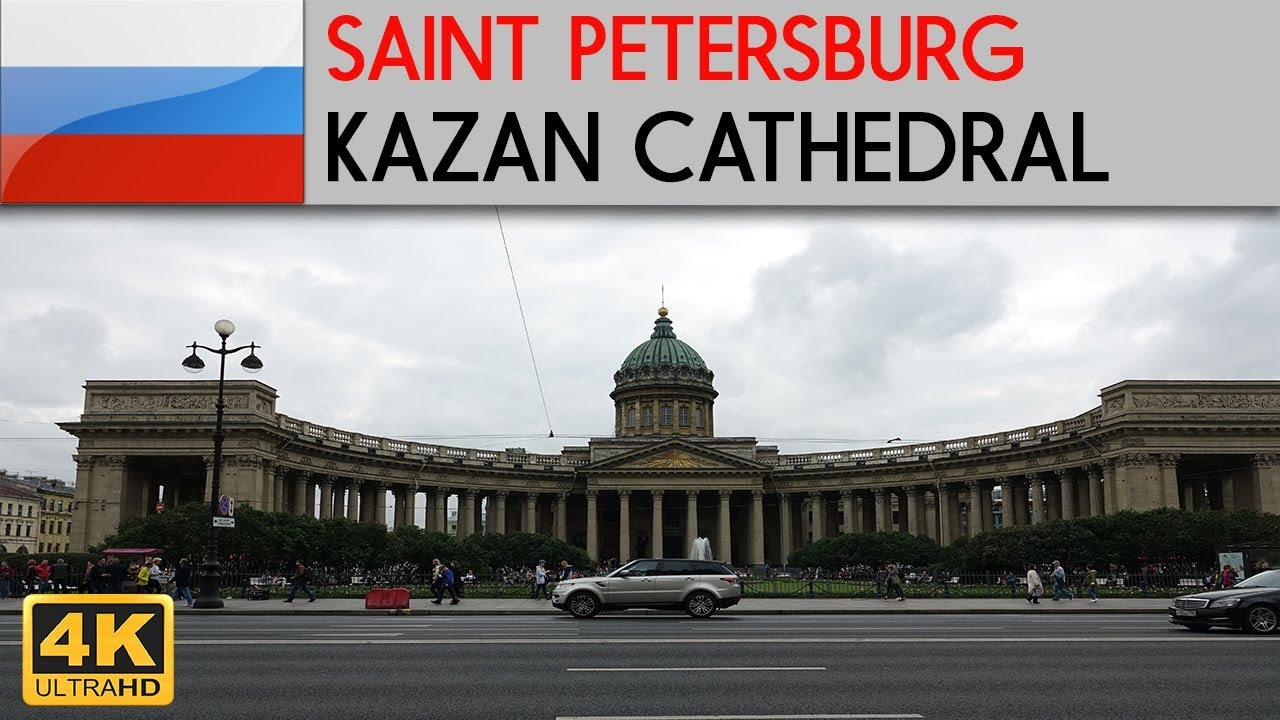
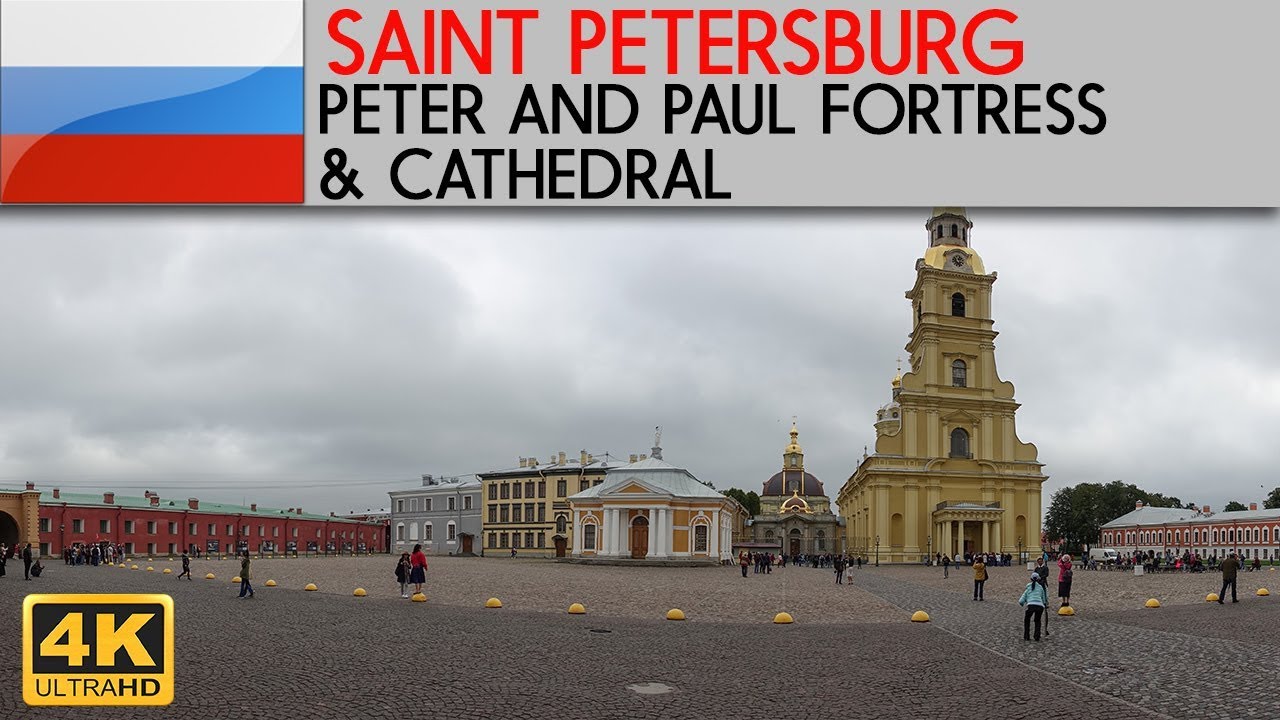
Описание: San Pietroburgo (Pietrogrado, Leningrado) - Piter is the name by which the Russians familiarly call St. Petersburg, also known as "The Venice of the north", "The city of the gods", "The city of giants". It is a truly unique city, especially for one particularity: you know the start date of its construction. Not like other historic cities, which have their origins in the mists of time. This city, quite simply, was not there before, then there was. At least that's how it is written. Although it was built from scratch, however, it bears close similarities to dozens of other important cities. And its monuments are so majestic that now the Russians are wondering how it was possible to achieve these miracles in just two hundred years, while other cities have taken centuries to become what they are. This famous print recalls the moment when Tsar Peter I said: "Here I will build a city!" Thus, in the year 1703, construction begins. Since then, until the beginning of the twentieth century, the city has been embellished with buildings that seem straight out of a fairy tale. The biggest challenge was the construction of St. Isaac's Cathedral, which went on for a century and took place under the various successors of Peter. It has been redone four times. It is said that the first church was only a dilapidated granary, and dates back to 1707. The second, whose first stone was laid by Peter I himself, dates back to 1717. The third attempt was carried out by Catherine II the Great in 1768, with the help of the architect Antonio Rinaldi. But the money ran out soon and the architect quit. The fourth cathedral was begun in 1818 and was completed in 1858. The architect was August de Montferrand. 43 types of rare stone were used, which gave the cathedral the name of "museum of mineralogy". There are 400 sculptures and bas-reliefs, and the four bronze high-reliefs on the pediments of the porticoes each weigh 600 tons.The dome is made of copper sheets, gilded with the use of one hundred kilograms of gold, out of a total of 400 kilograms used for the whole building. The dome has never been gilded again, officially because the process requires the evaporation of mercury, which is highly lethal. Between an internal and external dome there are one hundred thousand empty terracotta pots for thermal insulation. The exterior of the cathedral is embellished with 112 columns weighing 114 tons each. These are monolithic columns of red granite transported from quarries in Karelia and smoothed on the construction site with sand. The largest fresco is 800 square meters. Let's see an example of scaffolding in the Cathedral of Santa Sofia in Istanbul, to get an idea of the complex work. While the construction site of the cathedral was operating, despite the perennial lack of funds and the Napoleonic wars in the background, other works were carried out. San Pietro e Paolo, 1704, inside a star fortress; the Kronstadt fortress, same year; the Nevsky Monastery, 1710; the Peterhof complex, 1714; the residence of Tsarkoe Selo in 1724, 16 km from St. Petersburg, similar to Versailles, Caserta and Shonbrunn; The Winter Palace, 1730; the Hermitage, 1754; the Marble Palace, 1760; the Alexander Palace, 1792; the Kazan Cathedral, 1801; the Alexandrine Column, 1830; the Mariinsky Palace, 1839; The Church of the Savior on Spilled Blood, 1883; the Cathedral of St. Nicholas of the Navy, 1903. All these buildings have similarities with other buildings, but what is striking in St. Petersburg is the particularity of some monuments. The threshold of the cathedral, for example, has steps of different sizes on the right and left, as if made for two types of people, one of which is larger than normal; The same applies to the height of the doors of many buildings; the Winter Palace shows the first underground floors; the statues of the Hermitage: if only one had been polished with sand, after months of work, but they are many and all the same; The floors, which are actually perfect mosaics; the enormous doors, the enormous windows, the enormous finds: chairs, tables, vases, cutlery, bracelets, amulets; the imposing Alexandrian Column, very smooth in every square centimeter; The door of the cathedral: almost impossible to work metal in that way. A beautiful mystery.
Повторяем попытку...

Доступные форматы для скачивания:
Скачать видео
-
Информация по загрузке: