Photomormhogenesis:1|Phytochrome|Pr & Pfr|Plant Physiology|Rohit S Mane
Автор: Science R academy
Загружено: 2020-09-16
Просмотров: 708
Описание:
#phytochromes
#scientistRacademy
#RohitMane
WELCOME TO SCIENTIST R ACADEMY
This is lecture 1 of Photomormhogenesis from Plant Physiology.|English-Hindi|
Thus lecture is prepared for CSIR-NET|GATE|M.Sc|ICAR-NET|ICMR-NET|
In this lecture, I have explained about -
Photomorphogenesis
What is Photomorphogenesis?
Photomorphogenesis is the development of plants where the pattern of plant growth responds to the spectrum of light. In this process, light is used as a source of energy.
Any change in the structure and function of an organism in response to changes in light intensity is known as photomorphogenesis. Along with plants, it is a common feature of development in fungi, protists, and bacteria.
There are two important stages of photomorphogenesis:
Pattern specification where the cells and tissues develop the ability to respond to light during some developmental stage.
Pattern realization during which the photoresponse occurs.
The plant responds to light signals in the following two ways:
Phytochrome-mediated photoresponse
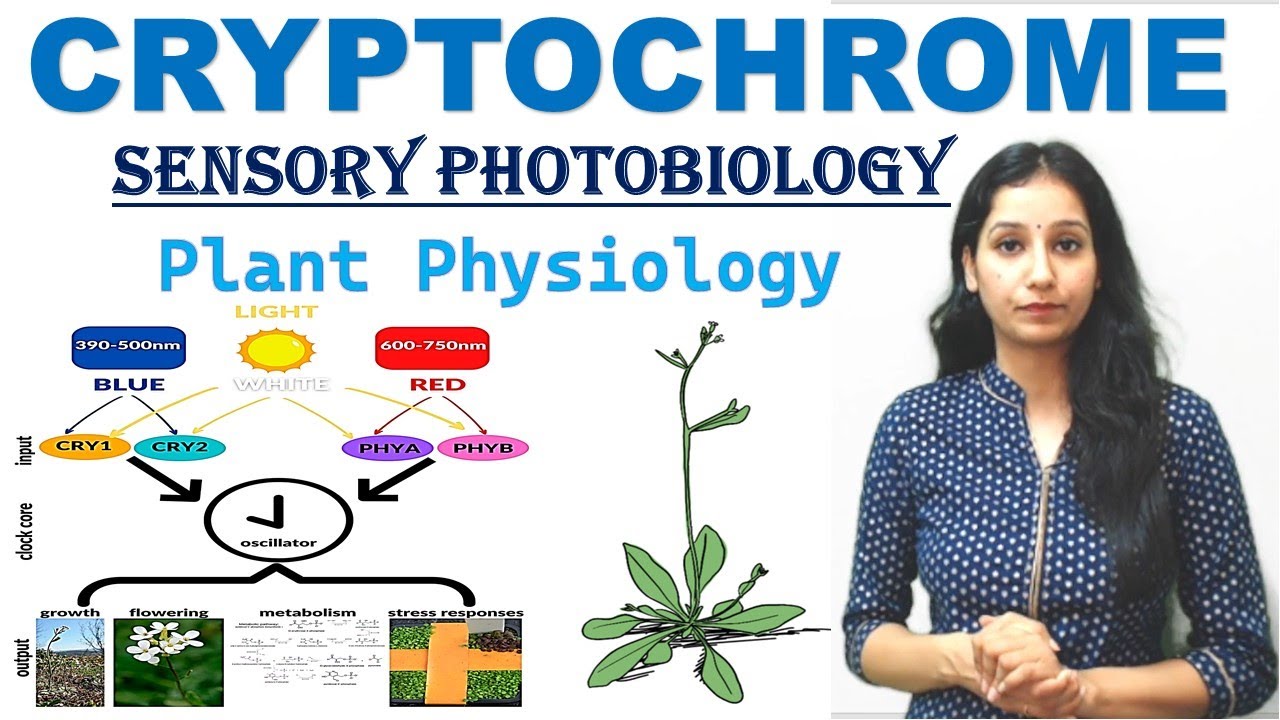
Blue-light response or cryptochrome-mediated photoresponse
Phytochrome-Mediated Photoresponse
Many photomorphogenic responses in plants are known to be mediated by phytochrome. It is a proteinaceous pigment that acts as a photoreceptor and absorbs red and far-red light. It also absorbs blue light.
The phytochrome-mediated response can be divided into three categories depending upon the amount of light absorbed.
Very Low Fluence Responses– These responses are non-photo reversible and are initiated by very low fluences.
Low Fluence Responses- These are photo reversible. It includes most of the red and far-red photoresponses, including the lettuce seed germination.
High Irradiance Responses- These require prolonged exposure to light of high irradiance. These saturate at much higher influences than low fluence responses and are non-photo reversible.
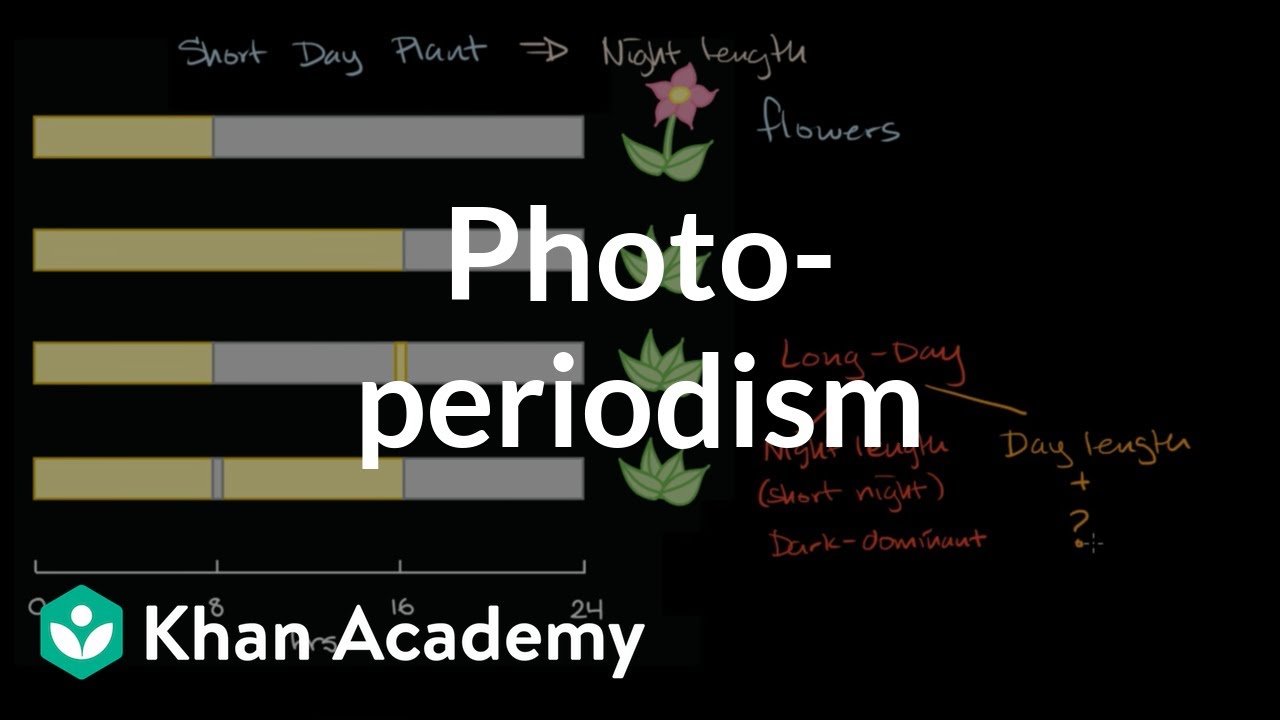
Also read: Photoperiodism
Blue Light Response or Cryptochrome-Mediated Photoresponse
These photoresponses are controlled by blue light and are mediated by a group of pigments called cryptochromes. These responses have been reported in fungi, algae, and ferns.
Some of the blue-light responses in plants are:
Phototropism
Stomatal opening
Phototaxis
Sun tracking by leaves
Inhibition of hypocotyl elongation
Stimulation of synthesis of carotenoids and chlorophyll
Chloroplast movement within the cells
Photoreceptors
Photoreceptors are responsible for photomorphogenesis.
When the seed which was initially in an environment of complete darkness is exposed to light, it results in the activation of photoreceptors in the seed. This is because the seeds are exposed to electromagnetic radiation, especially to red or far-red wavelength of light. The signals are transmitted into the nucleus by the receptors through a signal transduction pathway, which stimulates the genes responsible for growth and development.
A plant has the following types of photoreceptors:
Phytochrome
Cryptochrome
Phototropin
UVR8
Phytochrome
The phytochrome is a protein covalently bonded to a chromophore. The wavelengths of red to far-red lights are detected by the phytochrome receptors.
A plant has multiple phytochromes that sometimes act independently of one another and sometimes are dependent either at the same time or at different times in the process of development.
Phytochrome exists in two forms-
Pfr
Pr
Pfr is in a biologically active form and absorbs far-red. Pfr is converted to Pr when far-red light is absorbed.
The red wavelengths are absorbed by Pr. When the red light is absorbed, Pr is converted to Pfr.
The red and far-red reversibility defines the responses of the phytochrome proteins. Photomorphogenesis like leaf expansion and stem elongation, is mediated by phytochrome.
Повторяем попытку...

Доступные форматы для скачивания:
Скачать видео
-
Информация по загрузке:

![[농업기초] 피토크롬](https://imager.clipsaver.ru/Aj4GQMrA4jY/max.jpg)