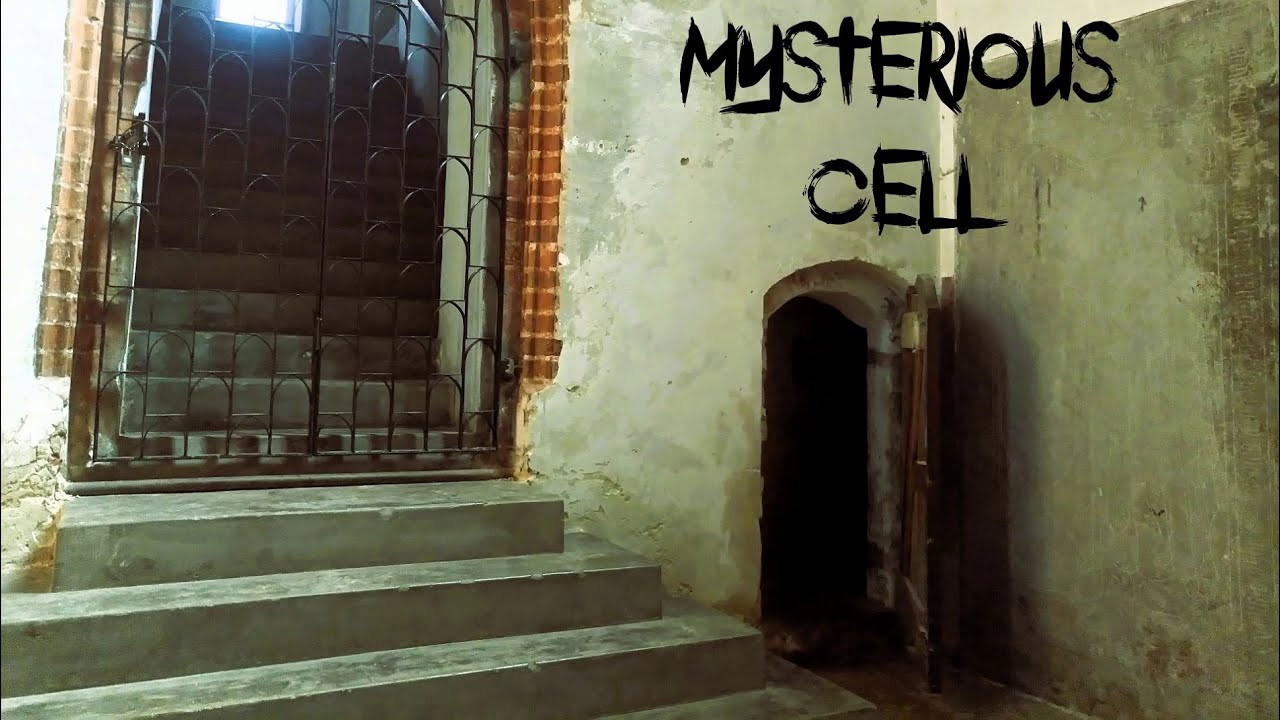
Kwidzyn - Cathedral. Crypt of the Grand Masters of the Teutonic Order/ Krypta Wielkich Mistrzów
Автор: Lady Strzyga Discovers the Past
Загружено: 2023-12-11
Просмотров: 1711
Описание:
Kwidzyn Cathedral is the only known place in the world where the authentic remains of three Teutonic Grand Masters have been found and examined. Their burials in Kwidzyn are very puzzling because, as a rule, they should have been laid to rest in the capital of the Teutonic state, Malbork.
Archeological research began in the Kwidzyn cathedral in 2007. To everyone’s surprise, instead of the tomb of blessed Dorothea of Montów, the archeologists discovered a crypt with three coffins.
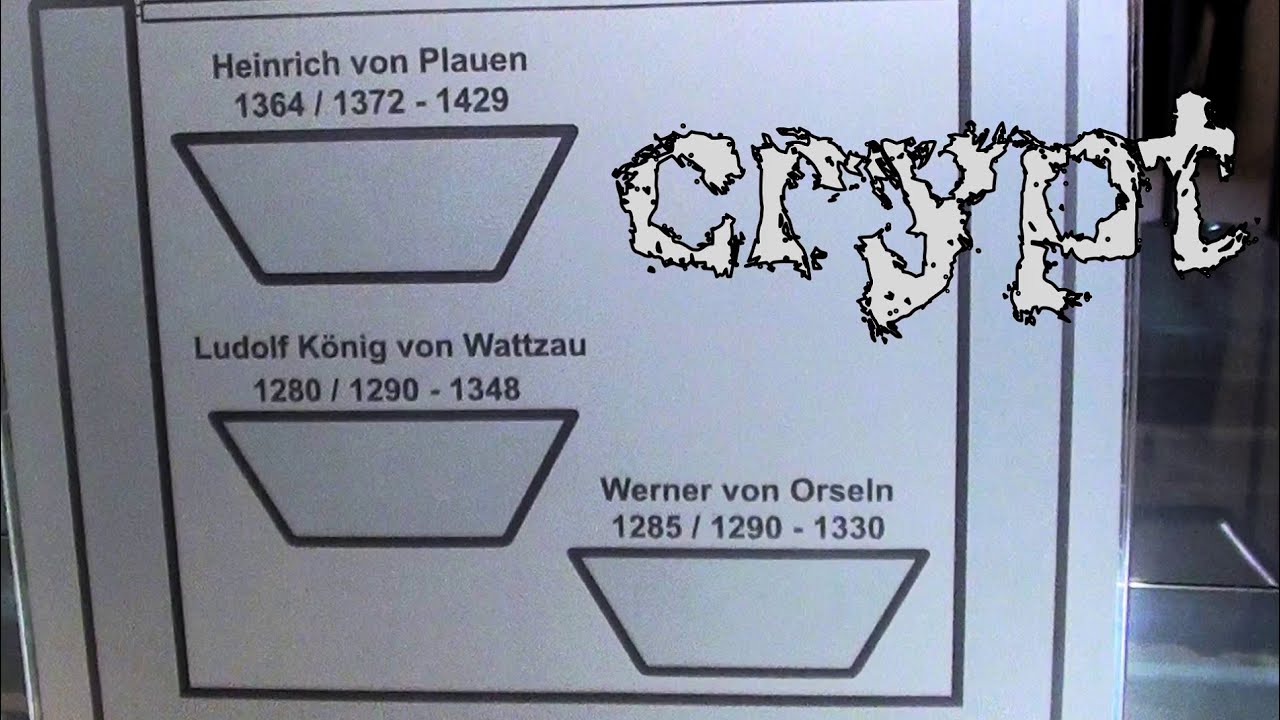
A thorough study showed this was the resting place of three Grand Masters of the Order of Brothers of the German House of Saint Mary in Jerusalem, closely connected with Pomeranian history – Werner von Orseln, Ludolf Koenig von Wattzau Heinrich von Plauen. To date, this has been the only grave site of the Teutonic high commanders ever discovered.
Werner von Orseln became the Komtur of Malbork Castle in 1314. Ten years later he was elected Grand Master of the Teutonic Order, a position he held until his sudden death on 18 November 1330 when he was murdered by Jan von Endorf, an obscure Teutonic knight. This unexpected tragedy came as a shock to almost the whole of Europe. Rumours had it that the assassination could have been connected with the Templars’ treasure…
In the eight years that passed since von Orseln’s death, Ludolf Koenig von Wattzau became the Komtur in Malbork, and four years later, in 1342, was elected Grand Master. He relinquished the office in 1345, suffering from a mental disorder. Upon taking the command of Pokrzywna, he allegedly recovered, but died shortly thereafter – in 1347 or 1348.
Heinrich V von Plauen entered the office of Grand Master after the death of Ulrich von Jungingen at the Battle of Grunwald. During his tenure, from 1410 to 1413, von Plauen led the defence of the Malbork fortress besieged by the Polish army under King Władysław Jagiełło.
According to legend, von Plauen prayed for help to Blessed Dorothy, who promised him that the Poles would not seize the castle. This favour, however, required a price the Grand Master had to pay.
After von Plauen’s death, his body would not be rested in the Malbork stronghold, and the tomb would be concealed for six centuries (he died in 1429). The renewed burial ceremony was to be participated in by von Plauen’s successor as Grand Master.
Polish archeologists believe silk-draped skeletons found in a cathedral crypt are the 600-year-old remains of three grand masters of the Teutonic Knights. The skeletons, found in wooden coffins, were draped in silks -- some painted with gold -- a fabric reserved only to those highest in power in the Middle Ages.
DNA tests indicate that the remains belong to Werner von Orseln, leader of the knights between 1324 and 1330; Ludolf Koenig, who ruled between 1342 and 1345; and Heinrich von Plauen, who reigned between 1410 and 1413. Scientists are 95-96% sure it is them.
DNA tests matched their age to that of the death age of the three grand masters. They also revealed temporary malnutrition in one of the skeletons that could match the 10-year imprisonment of von Plauen.
Following archaeological work, the crypt was opened to the public in 2010. Today, under the glass floor, three coffins contain puppets in coloured robes to symbolise the burial of the Teutonic Grand Masters. Their mortal remains were placed nearby in small boxes. The bones of the Pomesan bishops also buried here were placed in a large closed coffin.
Katedra w Kwidzynie to jedyne znane miejsce na świecie, gdzie odnaleziono i przebadano autentyczne szczątki trzech wielkich mistrzów krzyżackich. Ich pochówki w Kwidzynie są bardzo zagadkowe, ponieważ co do zasady powinni być oni złożeni w stolicy krzyżackiego państwa - Malborku.
Testy DNA wskazują, że szczątki należą do Wernera von Orseln, przywódcy rycerzy w latach 1324-1330; Ludolfa Koeniga, który rządził w latach 1342-1345 oraz Heinricha von Plauen, który panował w latach 1410-1413. Naukowcy są w 95-96% pewni, że to oni.
Po przeprowadzonych pracach archeologicznych kryptę udostępniono zwiedzającym w 2010 r. Obecnie pod przeszkloną podłogą w trzech trumnach leżą kukły w kolorowych szatach mające symbolizować pochówek wielkich mistrzów krzyżackich. Tuż obok w małych skrzynkach złożono ich doczesne szczątki. W dużej zamkniętej trumnie umieszczono kości pochowanych tu również biskupów pomezańskich
Music Zmariusz666: https://www.youtube.com/@Zmariusz666/...
and:
Повторяем попытку...
Доступные форматы для скачивания:
Скачать видео
-
Информация по загрузке:









![Toruń: The Gothic Jewel of the North [Travel] [Documentary] | World Explorer Diaries 🌎](https://imager.clipsaver.ru/daf1w2x1T4s/max.jpg)