Ukraine’s First Strike on January 1, 2026 — Russian Ammo Depot Destroyed
Автор: World of Military
Загружено: 2026-01-06
Просмотров: 76
Описание:
January 1, 2026 — 3:17 AM
Tikhoretsk Ammunition Depot, Krasnodar Region, Russia
Russia’s largest ammunition storage facility in southern Russia is engulfed in fire.
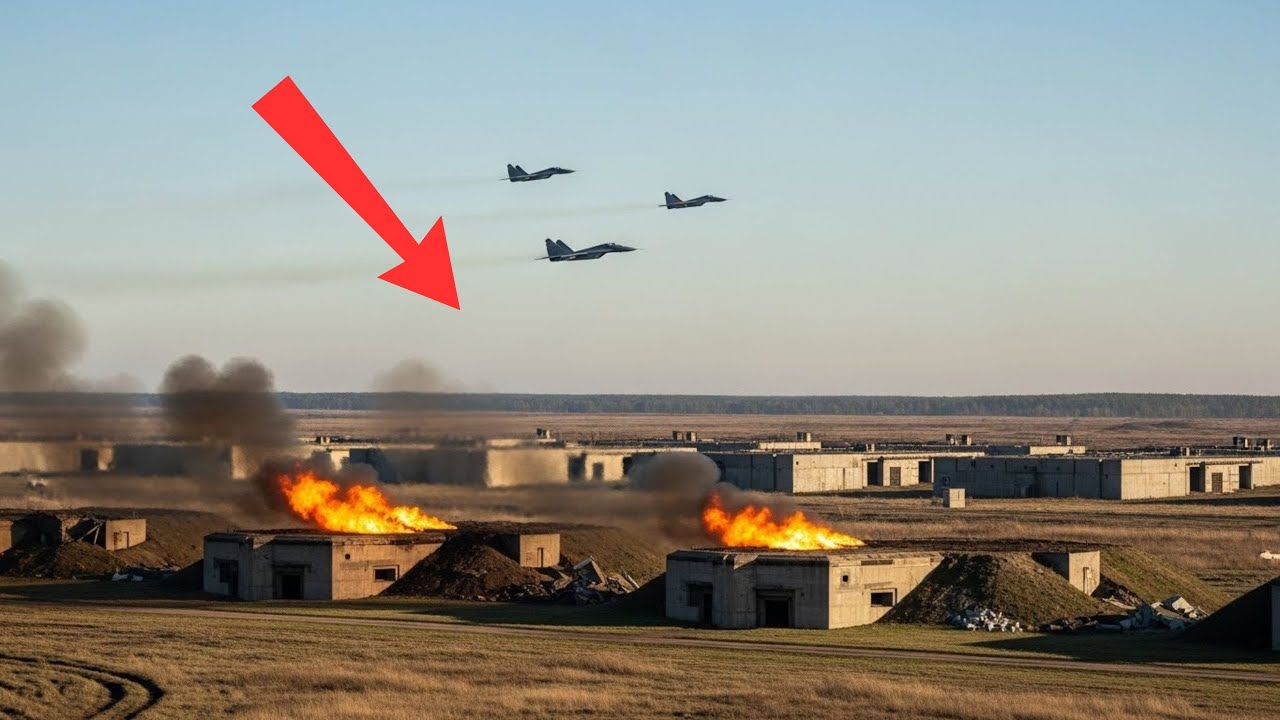
The Tikhoretsk ammunition depot held over 2,000 tons of explosives stored inside 16 hardened concrete bunkers. It was a critical logistics hub supplying Russia’s Southern Military District and supporting ongoing operations in Ukraine.
Within minutes, five Ukrainian Storm Shadow cruise missiles turned the facility into a burning ruin.
🔥 Russia’s Ammunition Lifeline Destroyed
Tikhoretsk was one of Russia’s most fortified ammunition depots. After repeated Ukrainian drone and missile strikes in 2024 and 2025, Moscow reinforced the site with:
Three-meter-thick reinforced concrete bunkers
Pantsir-S1 air defense systems
Electronic warfare and counter-drone units
Maximum-security patrols and sensors
Despite these defenses, Ukrainian military intelligence tracked the depot for months. By late December 2025, satellite imagery and signals intelligence confirmed Russia had completed a massive resupply operation from deep-storage facilities in the Urals. The depot was at maximum capacity, making it the most valuable ammunition target in the region.
💥 The Strike: Storm Shadow Missile Attack
3:05 AM — A Ukrainian MiG-29 fighter jet takes off from western Ukraine carrying five Storm Shadow cruise missiles.
3:17 AM — All five missiles are launched from Ukrainian airspace. Flying at low altitude (50 meters) and nearly 1,000 km/h, the missiles hug the terrain to evade radar.
3:19 AM — Russian air defenses detect the incoming missiles. Pantsir-S1 systems intercept one missile. Four remain inbound.
3:22 AM — The first Storm Shadow penetrates Bunker Seven. A bunker-buster warhead detonates inside, igniting approximately 200 tons of artillery shells. Flames rise more than 80 meters.
3:23 AM — Two missiles strike Bunkers Three and Nine, triggering massive secondary explosions.
3:24 AM — The final missile hits Bunker Fourteen, setting off a chain reaction across adjacent storage areas.
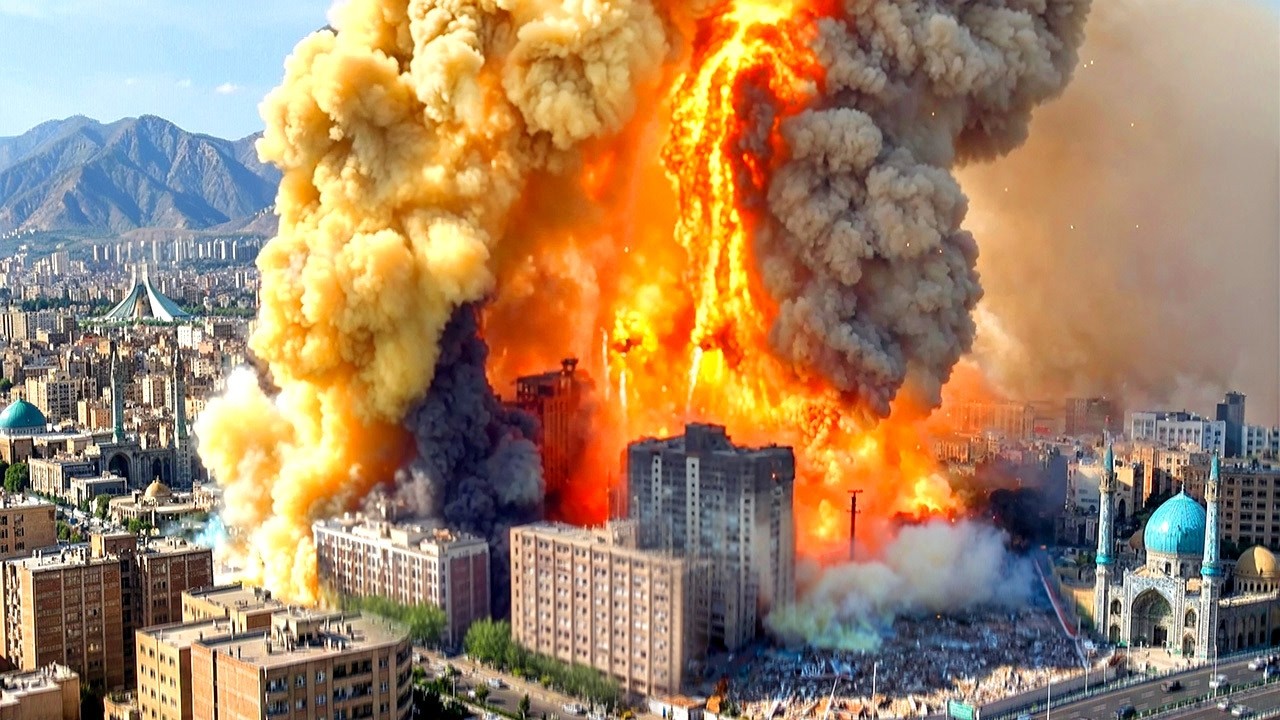
3:25 AM — Eight of the sixteen bunkers are destroyed or burning. A mushroom-shaped smoke cloud becomes visible from up to 80 kilometers away.
Total strike time: eight minutes.
🎯 The Numbers
Ukrainian investment: ~$11 million (five Storm Shadow missiles)
Russian losses: $700+ million in ammunition and infrastructure
Return on investment: 64:1
Artillery operations disrupted: Up to three months
Bunkers destroyed: 8 of 16
🔥 Why This Strike Matters
Ukraine did not strike on New Year’s Day. Instead, the attack came 36 hours later, when Russian air-defense crews had relaxed and alert levels had dropped. The timing delivered maximum surprise.
This was Ukraine’s first major strike of 2026, and the target choice was deliberate. Rather than attacking front-line positions, Ukraine targeted logistics and sustainment — the backbone of Russia’s war effort.
Russia fires an estimated 20,000 artillery shells per day along the front. The Tikhoretsk depot supplied a significant portion of that firepower. Its destruction immediately reduced Russia’s ability to sustain offensive operations.
🌍 Modern Warfare Lessons
This strike highlights the future of modern warfare:
Deep precision strikes against hardened logistics targets
Stand-off cruise missiles defeating layered air defenses
Chain reactions multiplying damage far beyond the initial impact
Logistics destruction replacing territorial assaults
Ukraine struck five bunkers and destroyed eight, demonstrating force multiplication through intelligence-driven targeting.
As military analysts worldwide assess the aftermath, one conclusion is clear:
wars are no longer won only at the frontlines — they are won by collapsing the systems that sustain them.
Повторяем попытку...
Доступные форматы для скачивания:
Скачать видео
-
Информация по загрузке: