Static discharge
Автор: Ed Davidson There ya have it
Загружено: 2021-08-05
Просмотров: 4262
Описание:
There ya have it, folks...
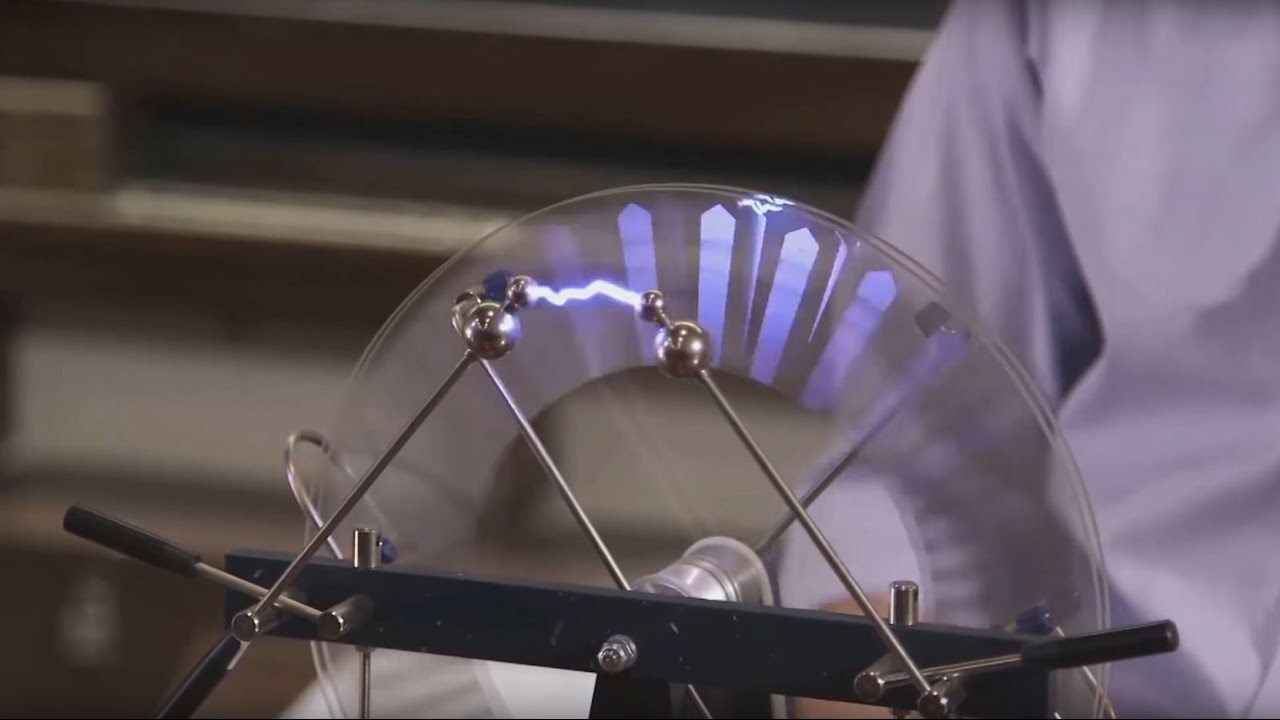
Remember when you were a kid and would rub your feet on the carpet, just to shock your brother or sister?
Same principle, very different result.
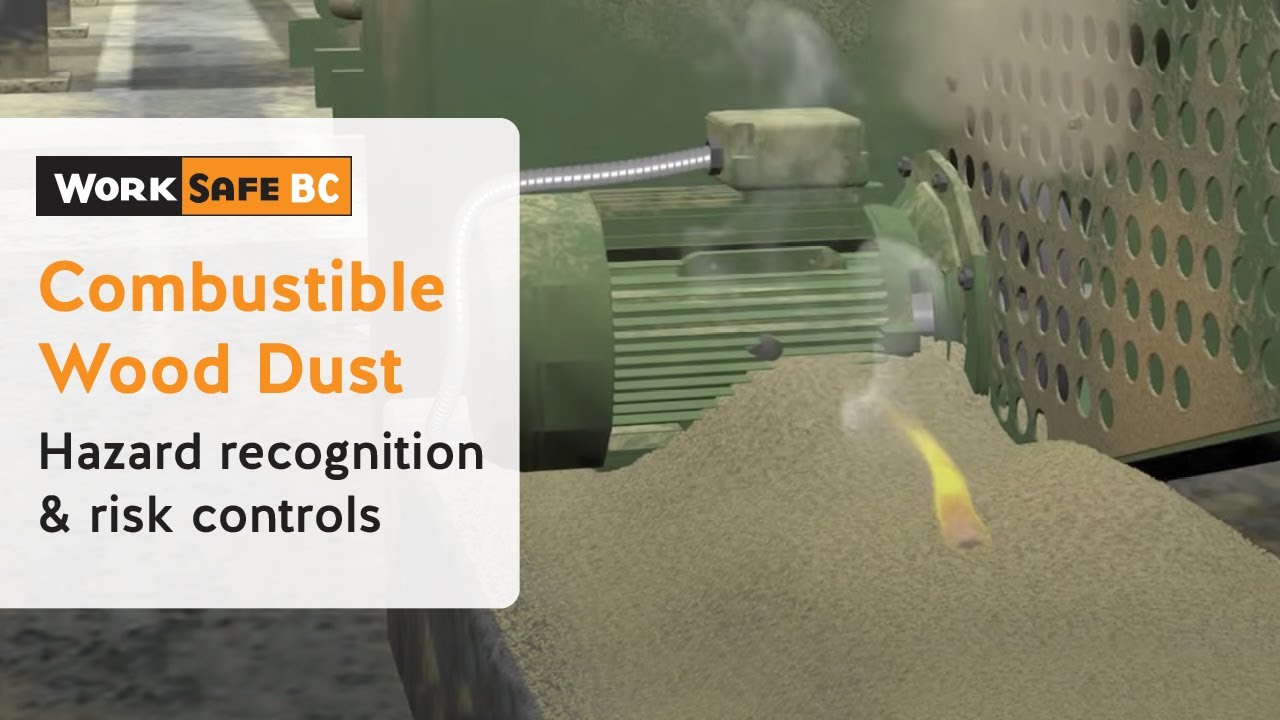
One of the main causes of a plant explosion is static electricity. This is particularly important from the months of October to February where your greatest chance for explosion risk is due to lower humidity, which means an increase in static electricity.
It’s critical that you understand the importance of static electricity especially when it comes to your plant because static discharge can be a significant dust/vapor ignition hazard, and all equipment has the potential to generate a static charge.
All objects carry some charge relative to another object, and sometimes this can be as much as several (hundred) thousand volts. The current from a discharge is typically low unless a very large charge builds on a larger object. That is why lightning is a very large static discharge.
A static charge happens every time an object comes in contact with and moves against another object, thus generating a charge.
One object will develop a negative charge, and the other will develop a positive charge.
However, when objects separate they will still carry some of that charge with them. This can become dangerous because when a highly charged object gets close to a lower charged object, then the charge is transferred. This is known as a “ static discharge”. Dangers from static discharge include the following:
Ignition of flammable gases, vapors or dust clouds
Injury of operators
Damage to electrical equipment
Solid State Components (PLC’s, Level Probes, Scales, etc.)
Damage to mechanical equipment
Pinholes in coating
Bearing pitting
There are several types of discharges. The first is “ sparks between conductors”. This is the most dangerous and energetic type. This can happen when an ungrounded charged conductor gets near another ungrounded or grounded conductor. It becomes highly concentrated causing an almost complete equalization of charge between the conductors.
The second type of discharge is a “ brush discharge,” which is between conductors and insulators. It occurs when a conductor gets near a charged non-conductive object. This type is lower energy than sparks between conductors.
The third type of discharge is “ propagating brush discharge,” which is on the surface of an insulator backed by a conductor. This combination acts as a capacitor, and it can be high energy.
#eddavidson #safedy #thereyahaveit #electrical #energy #mechanical #electricity #power
Повторяем попытку...

Доступные форматы для скачивания:
Скачать видео
-
Информация по загрузке: