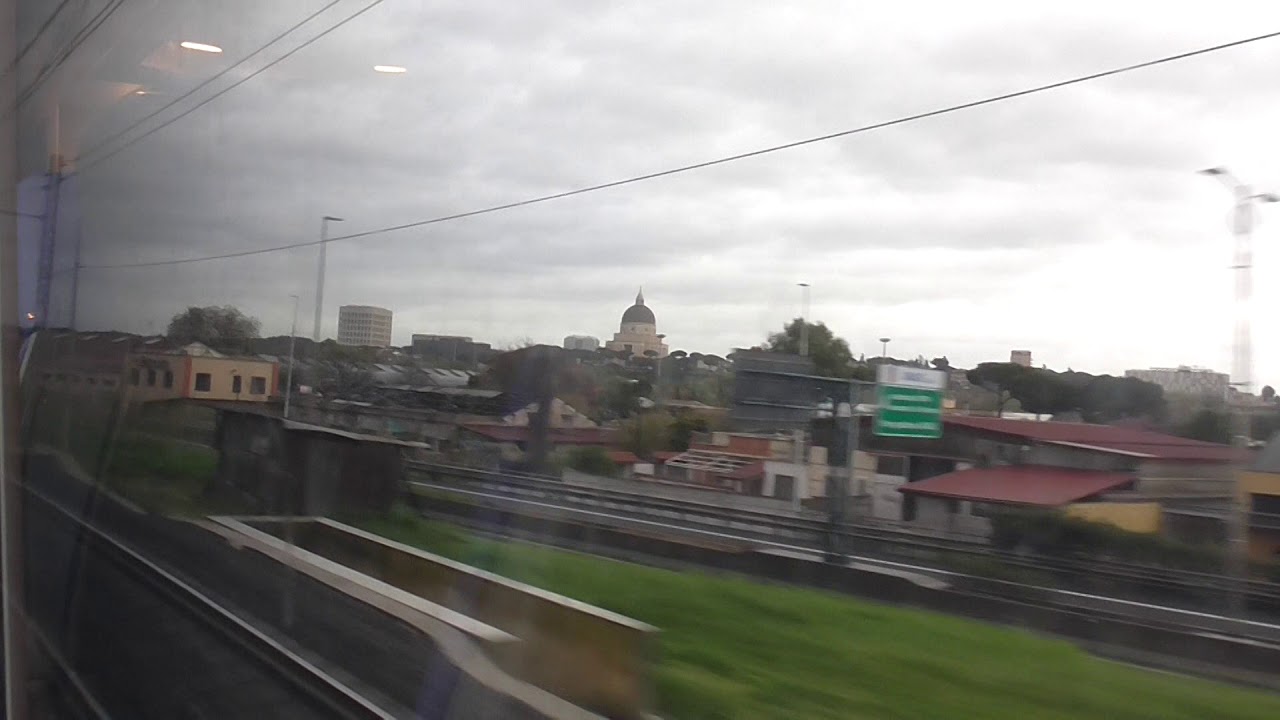
2023/05/24-1 Italy: Views from a Train Window - Rome Fiumicino to Rome Termini to Salerno
Автор: Armindo Souza
Загружено: 2023-06-15
Просмотров: 181
Описание:
Rome–Fiumicino International Airport "Leonardo da Vinci" (Italian: Aeroporto Internazionale di Roma–Fiumicino "Leonardo da Vinci"), commonly known as Leonardo da Vinci–Fiumicino Airport, is an international airport in Fiumicino, Italy, serving Rome. It is the busiest airport in the country, the 10th busiest airport in Europe and the world's 49th-busiest airport with over 29.3 million passengers served in 2022. It covers an area of 16 square km (6.2 sq mi).
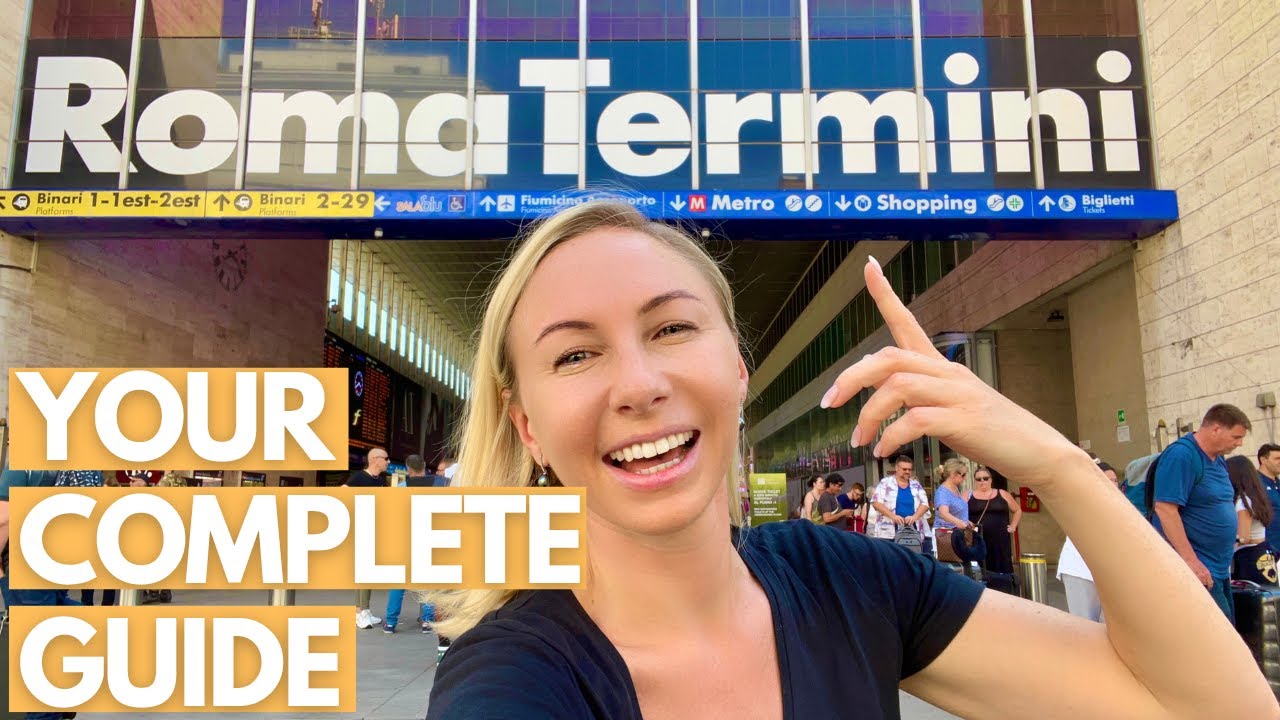
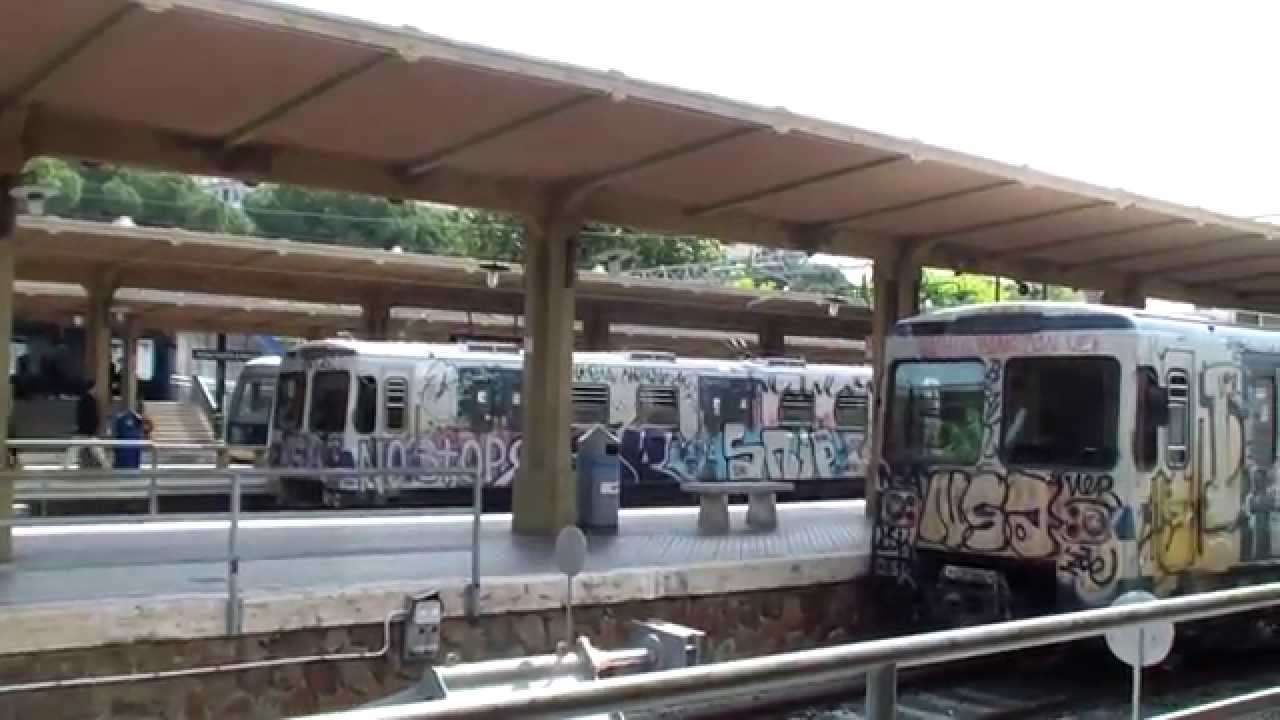
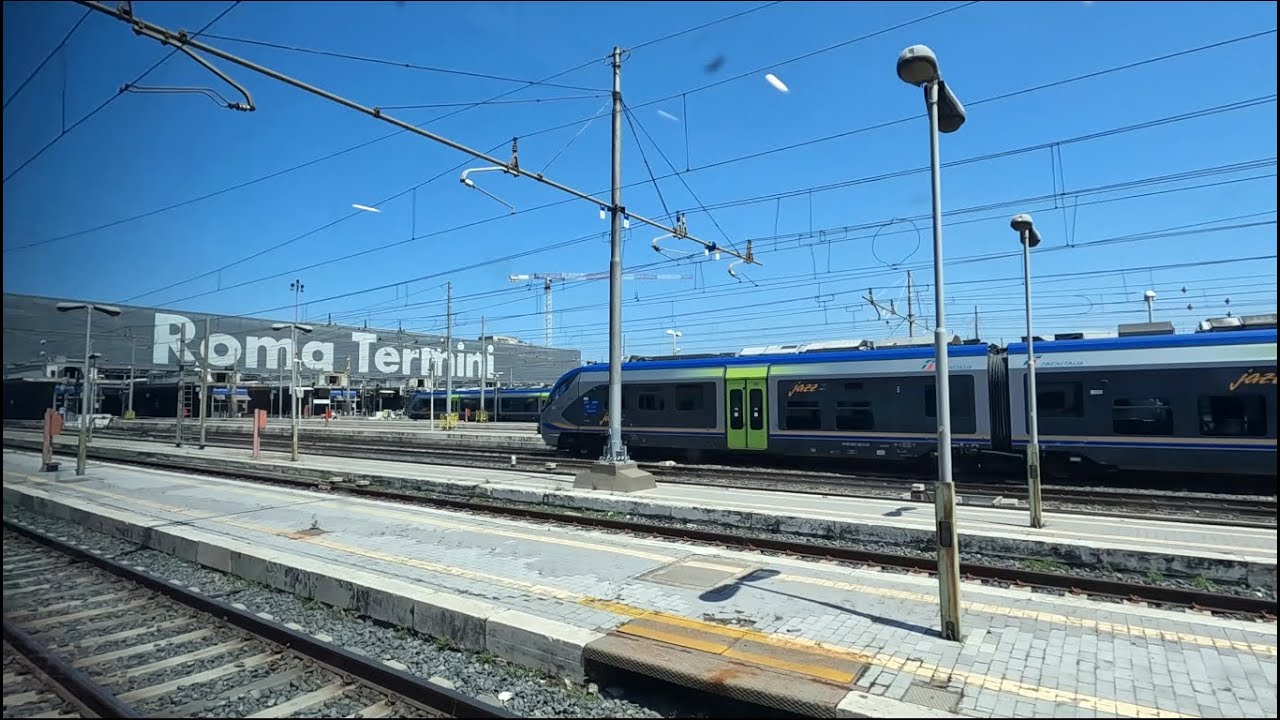
Roma Termini (in Italian, Stazione Termini) is the main railway station of Rome, Italy. It is named after the district of the same name, which in turn took its name from ancient Baths of Diocletian (in Latin, thermae), which lie across the street from the main entrance. The station has regular train services to all major Italian cities, as well as daily international services to Munich, Geneva, and Vienna. With 33 platforms and over 180 million passengers each year, Roma Termini is the second largest railway station in Europe after Paris Gare du Nord. Termini is also the main hub for public transport inside Rome. Two Rome Metro lines (A and B) intersect at Termini metro station, and a major bus station is located at Piazza dei Cinquecento, the square in front of the station.
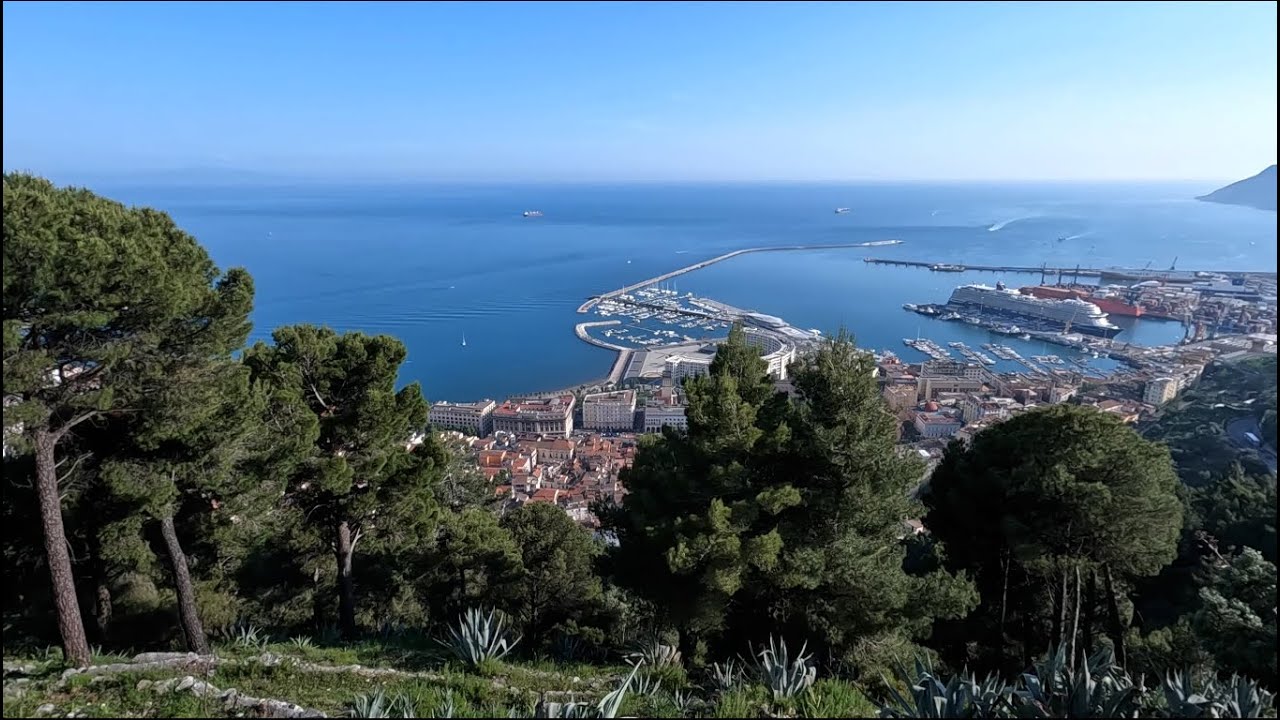
Salerno is an ancient city and commune in Campania, southwestern Italy, and is the capital of the namesake province, being the second largest city in the region by number of inhabitants, after Naples. It is located on the Gulf of Salerno on the Tyrrhenian Sea. In recent history the city hosted Victor Emmanuel III, the King of Italy, who moved from Rome in 1943 after Italy negotiated a peace with the Allies in World War II, making Salerno the capital of the "Government of the South" (Regno del Sud) and therefore provisional government seat for six months. Some of the Allied landings during Operation Avalanche (the invasion of Italy) occurred near Salerno. Human settlement at Salerno has a rich and vibrant past, dating back to pre-historic times. In the early Middle Ages it was an independent Lombard principality, the Principality of Salerno, which around the 11th century comprised most of Southern Italy. During this time, the Schola Medica Salernitana, the first medical school in the world, was founded. The Normans in 1077 made Salerno the capital of their rule in all continental southern Italy. In the 16th century, under the Sanseverino family, among the most powerful feudal lords in southern Italy, the city became a great centre of learning, culture and the arts, and the family hired several of the greatest intellectuals of the time. Later, in 1694, the city was struck by several catastrophic earthquakes and plagues. During a period of Spanish rule the city suffered a crisis which would last until the 18th century, but under Napoleon Salerno became part of the Parthenopean Republic. In the 19th century Salerno supported ideas of the Risorgimento and welcomed Garibaldi in 1861. The city is divided into three distinct zones: the medieval sector, the 19th century sector and the more densely populated post-war area, with its several apartment blocks. A patron saint of Salerno is Saint Matthew, the Apostle, whose relics are kept here at the crypt of Salerno Cathedral.
Повторяем попытку...
Доступные форматы для скачивания:
Скачать видео
-
Информация по загрузке: