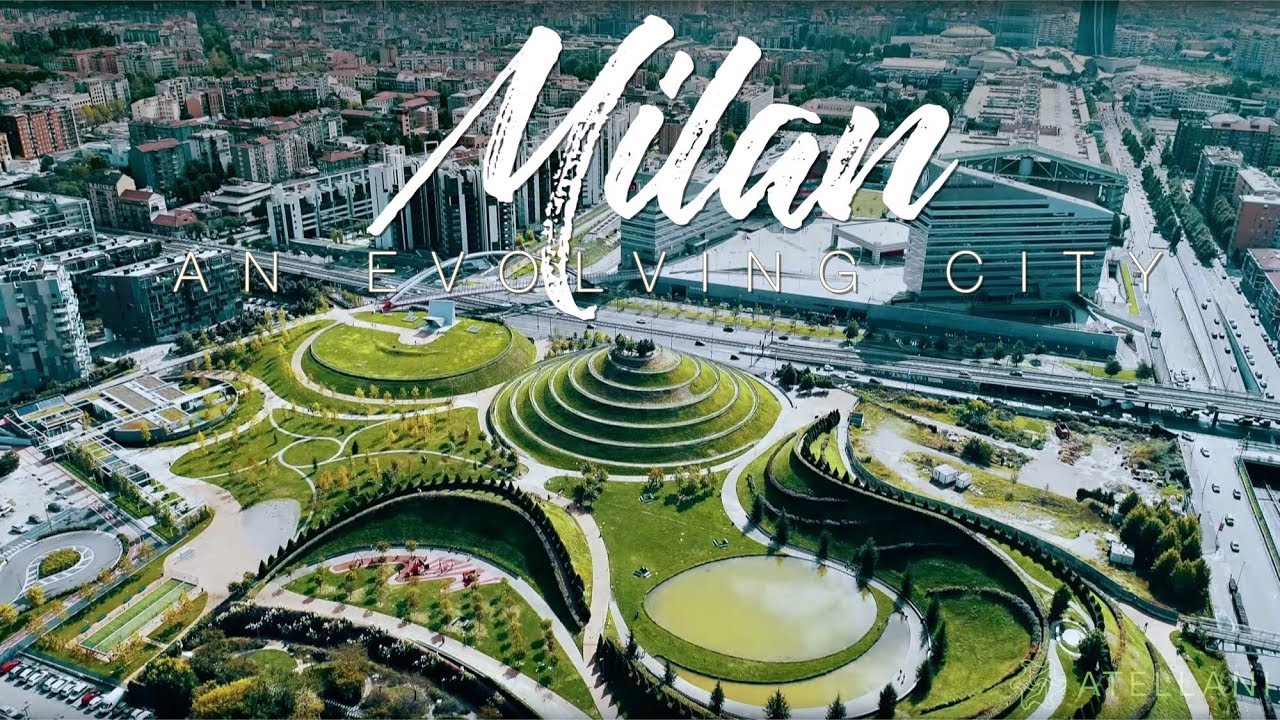
MILAN; THE MODERN FACE OF ITALY; UniCredit Tower and Vertical Forest
Автор: Tourist Student
Загружено: 2024-01-31
Просмотров: 1403
Описание:
Part1: UniCredit Tower
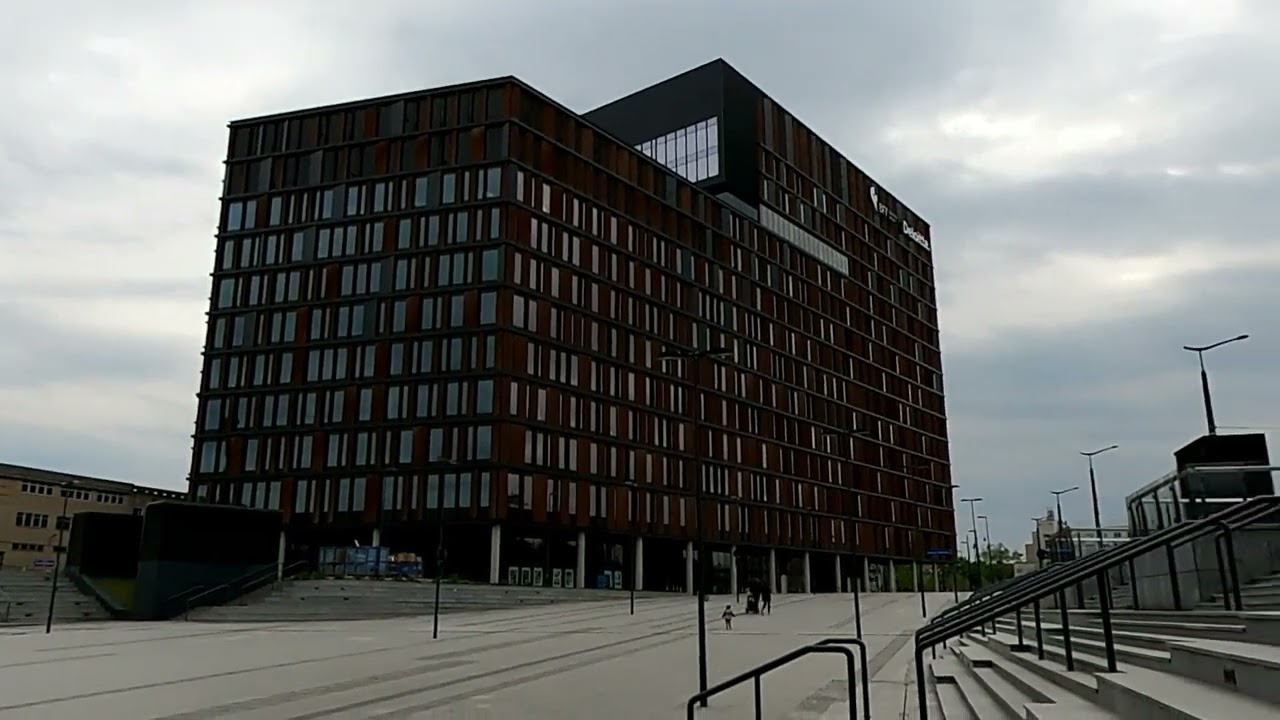
These three office towers and their podium are the largest components of Porta Nuova Garibaldi, a mixed-use development north of Milan’s city center. Pelli Clarke Pelli Architects designed the master plan for the 7-hectare development, which creates a new and grand gateway to the city. The towers—31, 22, and 11 stories tall—include Italy’s tallest building, visible from more than six miles away. Spiraling upward, the 31-story asymmetrical tower culminates in a sculptural stainless steel spire. Like the two smaller towers, the building is clad in reflective glass. Their narrow, curved forms enclose a circular piazza, a new public space that links the buildings to their surroundings. Facing the piazza, the facades incorporate sunshades, emphasizing the buildings’ fluid shape. At the street level, the towers are clad in stone.
Around the piazza, a glass-and-steel, ring-shaped canopy connects the podiums of the three towers. Two levels of shops are above the piazza, with additional retail and dining at the sunken level. The combined podium contains parking and a direct connection to the Stazione Garibaldi rail station. Extending south, the piazza meets Corso Como, a pedestrian street of fashion shops, restaurants, and cafés. Each of the buildings is pre-certified LEED Silver. Energy consumption will be reduced by 37 percent through high-performance glazing, advanced building systems, high efficiency lighting and daylight controls. Inside the buildings, filtered outside air, temperature monitoring systems will create a comfortable working environment.
Reference: https://www.architectmagazine.com/pro...
Part 2: Vertical Forest
The Vertical Forest is the prototype building for a new format of architectural biodiversity which focuses not only on human beings but also on the relationship between humans and other living species. The first example, built in Milan in the Porta Nuova area, consists of two towers that are respectively 80 and 112 metres high, housing a total of 800 trees (480 first and second stage trees, 300 smaller ones, 15,000 perennials and/or ground covering plants and 5,000 shrubs, providing an amount of vegetation equivalent to 30,000 square metres of woodland and undergrowth, concentrated on 3,000 square metres of urban surface.The project is also a device for limiting the sprawl of cities brought about through a quest for greenery (each tower is equivalent to about 50,000 square metres of single-family houses). Unlike “mineral” facades in glass or stone, the plant-based shield does not reflect or magnify the sun’s rays but filters them thereby creating a welcoming internal microclimate without harmful effects on the environment. At the same time, the green curtain “regulates” humidity, produces oxygen and absorbs CO2and microparticles, a combination of characteristics that have brought the project a number of important awards, including the International Highrise Award from the Deutschen Architekturmuseums in Frankfurt (2014) and the CTBUH Award for the best tall building in the world from the Council for Tall Buildings and Urban Habitat at Chicago’s IIT (2015).
The towers are mainly characterized by large, staggered and overhanging balconies (each about three metres), designed to accommodate large external tubs for vegetation and to allow the growth of larger trees without hindrance, even over three floors of the building. At the same time, the porcelain stoneware finish of the facades incorporates the typical brown colour of bark, evoking the image of a pair of gigantic trees in which to live and which are rich in literary and symbolic implications. The development of the botanical component, the result of three years of studies conducted together with a group of botanists and ethologists, preceded the lifecycle of the building complex since it started in summer 2010 when the plants destined to be installed in the towers were in fact cultivated in a special botanical “nursery” set up at the Peverelli nursery and garden centre near Como in order to get them used to living in conditions similar to those found in their eventual homes.
Perhaps the most unique component of this highly developed system is that of the “Flying Gardeners”, a specialized team of arborists-climbers who, using mountaineering techniques, descend from the roof of the buildings once a year to carry out pruning while checking the state of the plants in addition to their eventual removal or substitution. All the maintenance and greening operations are in fact managed at the condominium level in order to maintain control of the anthropic-vegetal balance. Irrigation is also centralized: the needs of the plants are monitored by a digitally and remotely controlled installation while the necessary water is largely drawn from filtered effluent from the towers.
Reference: https://www.stefanoboeriarchitetti.ne...
Повторяем попытку...

Доступные форматы для скачивания:
Скачать видео
-
Информация по загрузке:


![Best of Deep House [2026] | Melodic House & Progressive Flow](https://imager.clipsaver.ru/Il-ZpBuC8tA/max.jpg)