Mysterious Roman Sarcophagus in Galilee Israel
Автор: Gnostic Informant
Загружено: 2022-11-21
Просмотров: 3073
Описание:
/ gnosticinformant
Please Consider joining my Patreon to help finding scholars to bring on. Any amount helps me. Thank you existing Patrons.
Subscribe to Derek Lambert:
@MythVisionPodcast
Moses Course:
Dr. Bart D. Ehrman
https://gnosticinformant--ehrman.thri...
⬆⬆⬆LINK FOR COURSE ⬆⬆⬆
💥💥💥💥🚨💥🚨💥🚨💥💥💥 (Click either one)
⬇⬇⬇LINK FOR COURSE ⬇⬇⬇
https://gnosticinformant--ehrman.thri...
Mystery Cults Course:
Dr. M David Litwa
https://gnosticinformant--pursuit4kno...
The Course for Mystery Cults by Professor Litwa is NOW AVAILABLE!!! Click the Link for more Details! (Link)
https://gnosticinformant--pursuit4kno...
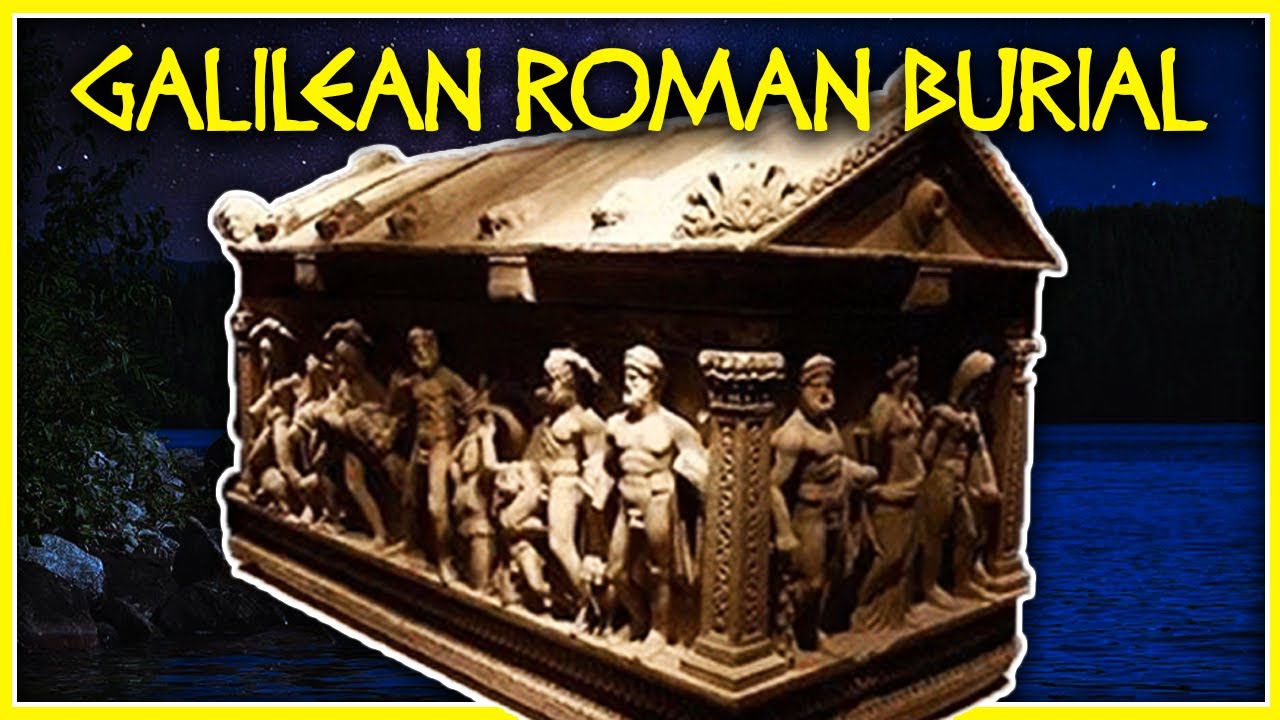
n the burial practices of ancient Rome and Roman funerary art, marble and limestone sarcophagi elaborately carved in relief were characteristic of elite inhumation burials from the 2nd to the 4th centuries AD. At least 10,000 Roman sarcophagi have survived, with fragments possibly representing as many as 20,000. Although mythological scenes have been quite widely studied, sarcophagus relief has been called the "richest single source of Roman iconography," and may also depict the deceased's occupation or life course, military scenes, and other subject matter. The same workshops produced sarcophagi with Jewish or Christian imagery. Early Christian sarcophagi produced from the late 3rd century onwards, represent the earliest form of large Christian sculpture, and are important for the study of Early Christian art.
They were mostly made in a few major cities, including Rome and Athens, which exported them to other cities. Elsewhere the stela gravestone remained more common. They were always a very expensive form reserved for the elite, and especially so in the relatively few very elaborately carved examples; most were always relatively plain, with inscriptions, or symbols such as garlands. Sarcophagi divide into a number of styles, by the producing area. "Roman" ones were made to rest against a wall, and one side was left uncarved, while "Attic" and other types were carved on all four sides; but the short sides were generally less elaborately decorated in both types.
The time taken to make them encouraged the use of standard subjects, to which inscriptions might be added to personalize them, and portraits of the deceased were slow to appear. The sarcophagi offer examples of intricate reliefs that depict scenes often based on Greek and Roman mythology or mystery religions that offered personal salvation, and allegorical representations. Roman funerary art also offers a variety of scenes from everyday life, such as game-playing, hunting, and military endeavors. Early Christian art quickly adopted the sarcophagus, and they are the most common form of early Christian sculpture, progressing from simple examples with symbols to elaborate fronts, often with small scenes of the Life of Christ in two rows within an architectural framework. The Sarcophagus of Junius Bassus (ca. 359) is of this type, and the earlier Dogmatic Sarcophagus rather simpler. The huge porphyry Sarcophagi of Helena and Constantina are grand Imperial examples.
Cremation was the predominant means of disposing of remains in the Roman Republic. Ashes contained in cinerary urns and other monumental vessels were placed in tombs. From the 2nd century AD onward, inhumation became more common, and after the Roman Empire came under Christian rule, was standard practice. The Sarcophagus of Lucius Cornelius Scipio Barbatus is a rare example from much earlier. A sarcophagus, which means "flesh-eater" in Greek, is a stone coffin used for inhumation burials. Sarcophagi were commissioned not only for the elite of Roman society (mature male citizens) but also for children, entire families, and beloved wives and mothers. The most expensive sarcophagi were made from marble, but other stones, lead, and wood were used as well. Along with the range in production material, there existed a variety of styles and shapes, depending on where the sarcophagus was produced and whom it was produced for.
A transition from the classical garland and seasonal reliefs with smaller mythological figures to a greater focus on full mythological scenes began with the break up of the classical style in the late second century towards the end of Marcus Aurelius' reign. This shift led to the development of popular themes and meanings portrayed through mythological scenes and allegories. The most popular mythological scenes on Roman sarcophagi functioned as aids to mourning, visions of life and happiness, and opportunities for self-portrayal for Roman citizens.
#gnosticinformant #galilee #romanempire
Повторяем попытку...
Доступные форматы для скачивания:
Скачать видео
-
Информация по загрузке: