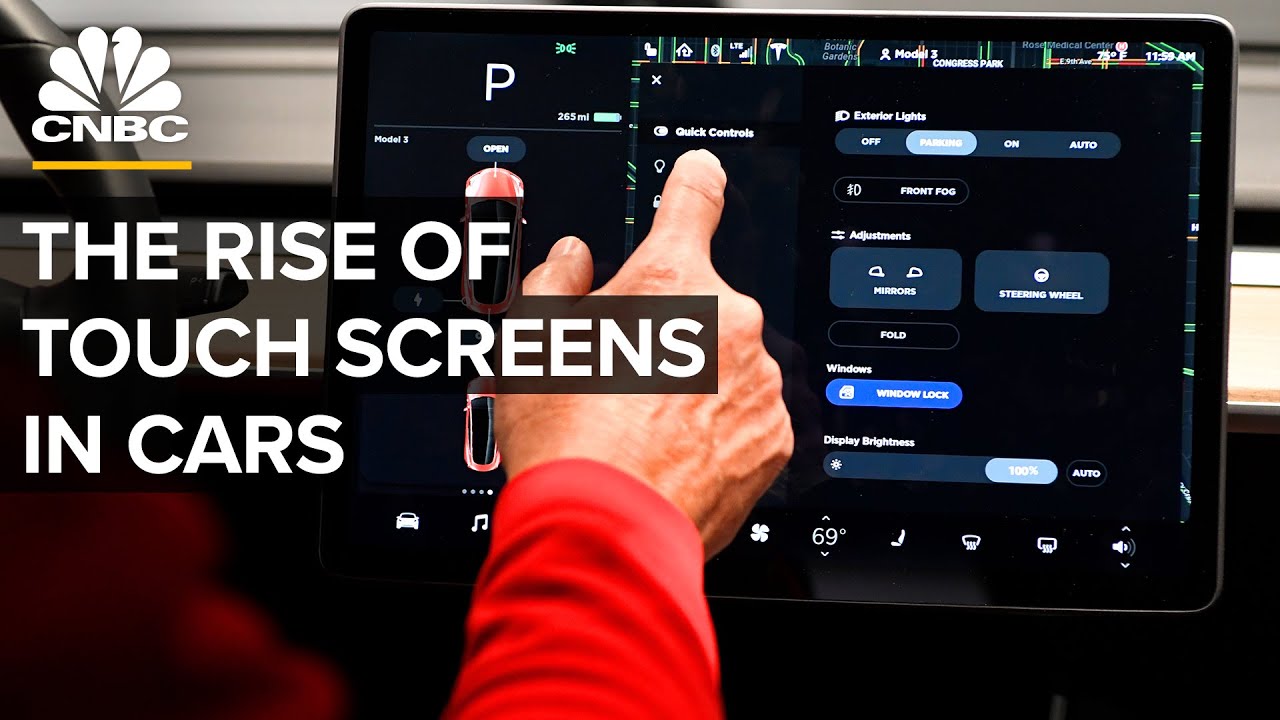
“Why The Automotive Industry Is DITCHING Touch Screens for Physical Buttons & Switches!”
Автор: your dream mobility explained
Загружено: 2024-11-29
Просмотров: 231
Описание:
The trend of physical buttons and switches returning to car interiors is indeed gaining traction. Many automakers are reconsidering their reliance on touchscreens and capacitive controls for several reasons:
1. Driver Safety and Ergonomics
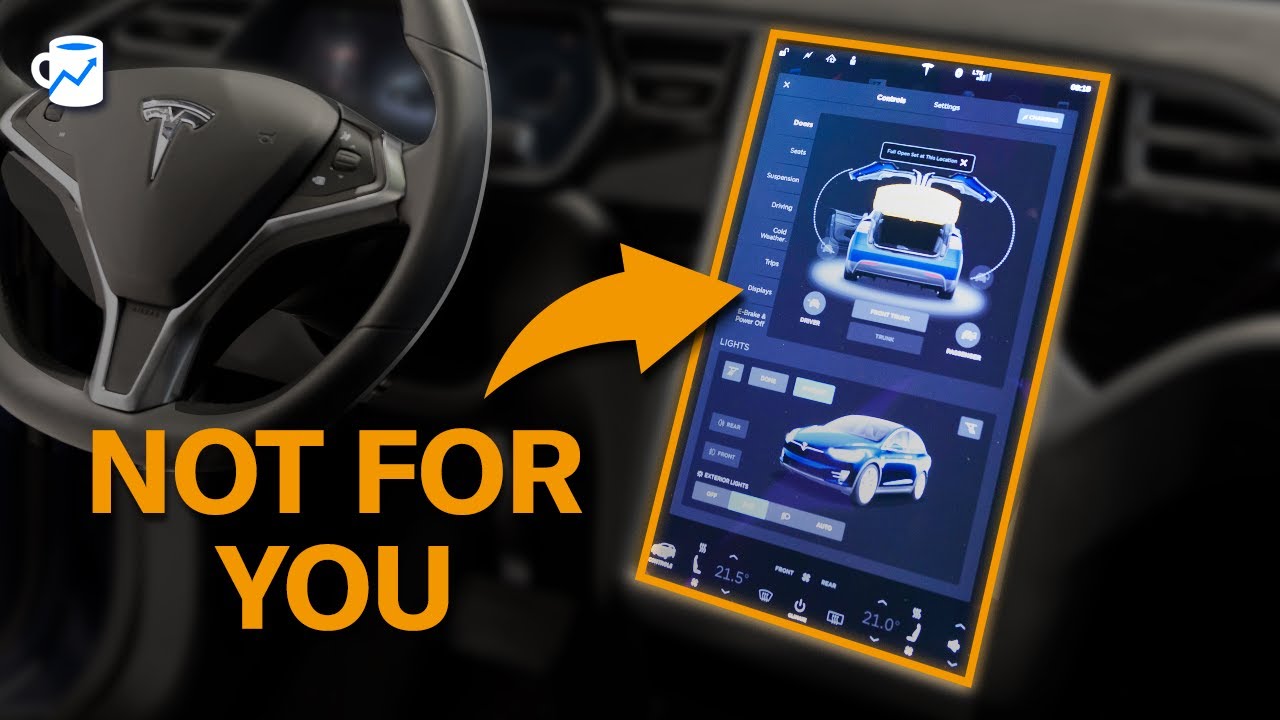
Distraction Issues: Touchscreens often require drivers to look away from the road to interact with them, which increases distraction. On the other hand, physical buttons and switches can often be operated by feel, improving safety.
Consumer Feedback: Many drivers and reviewers have criticized touch-heavy controls for being less intuitive, especially for frequently used functions like adjusting climate controls or changing the radio station.
Automaker Adjustments
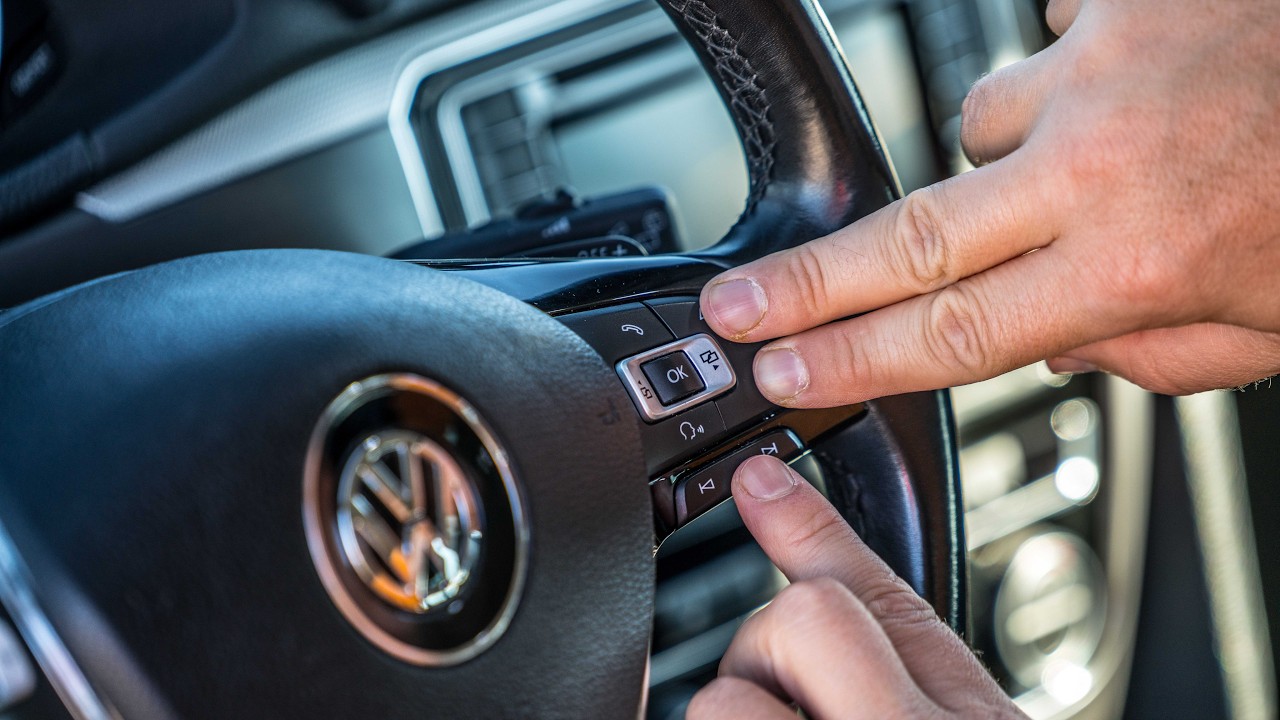
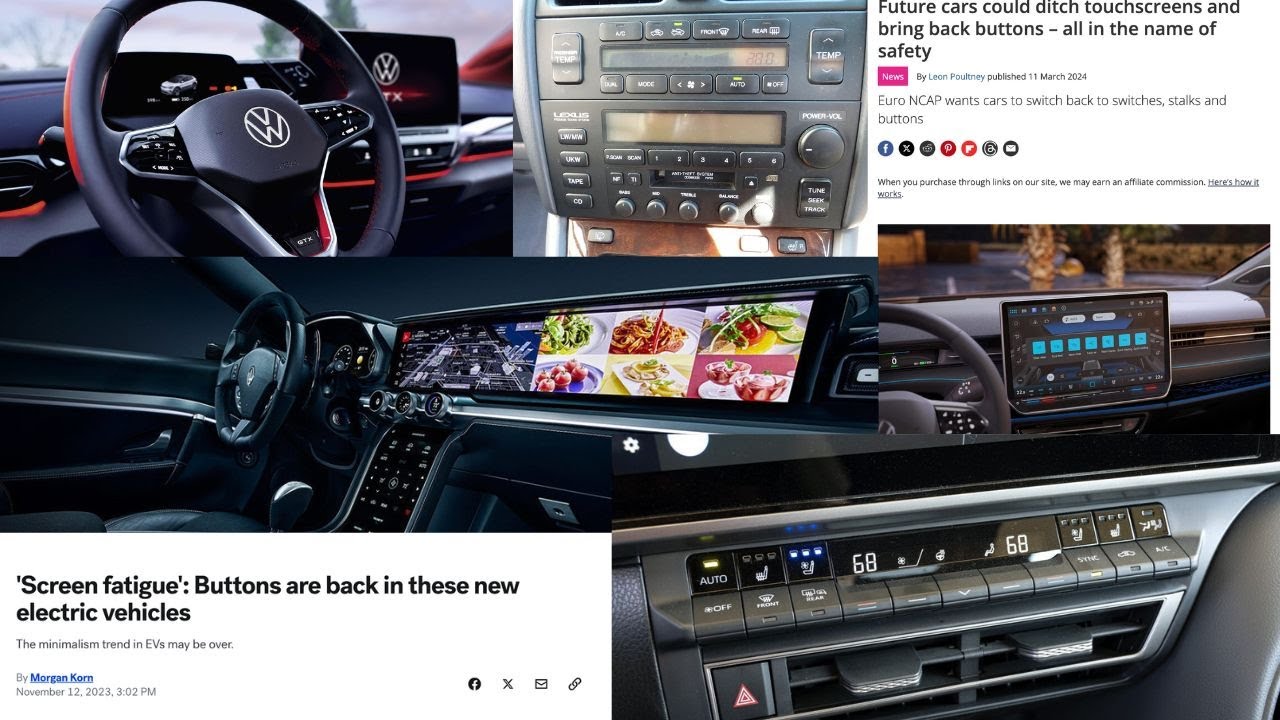
Volkswagen's Move Back to Buttons: After receiving widespread criticism of their touch-sensitive controls, Volkswagen has publicly announced plans to bring back physical buttons in upcoming models, particularly on the steering wheel and infotainment systems.
Mazda and BMW's Balance: Some brands, like Mazda and BMW, have consistently favored physical controls for key functions, striking a balance between modern tech and traditional ergonomics.
Technological Overload Backlash
Complexity Frustration: As infotainment systems grow more complex, many consumers are frustrated with layers of menus for basic functions.
Minimalism Fatigue: While sleek, button-less interiors initially appealed to the minimalist aesthetic, they’ve proven less practical in real-world use.
Regulatory and Legal Concerns
Focus on Distracted Driving: Regulatory bodies and safety organizations are increasingly focusing on reducing in-car distractions. In certain contexts, physical buttons are considered a safer alternative to touch-based systems.
Insurance Concerns: Accidents caused by in-car distraction might push insurers to favor cars with simpler, more intuitive interfaces.
Market Differentiation
Automakers realize that offering tactile buttons and switches can be a point of differentiation in a market saturated with touchscreen-dominated designs.
Examples of Change
Newer Models: Many 2024+ car models, particularly from brands like Honda, Toyota, and Subaru, are including more physical knobs and switches for essential functions like climate control and audio.
Luxury Brands: High-end manufacturers, such as Porsche, are integrating physical buttons and rotary dials alongside digital displays for a hybrid approach.
Will Buttons Fully Replace Screens?
Unlikely. Screens and touch-based controls are here to stay for certain functionalities (e.g., navigation, and app integration). However, we’ll likely see more automakers designing intuitive combinations of touchscreens and tactile controls, ensuring essential functions remain accessible without excessive distraction.
Повторяем попытку...
Доступные форматы для скачивания:
Скачать видео
-
Информация по загрузке: