The Untold Truth About Nigerians Slave Trade History
Автор: Democracy Reporters
Загружено: 2023-11-27
Просмотров: 108
Описание:
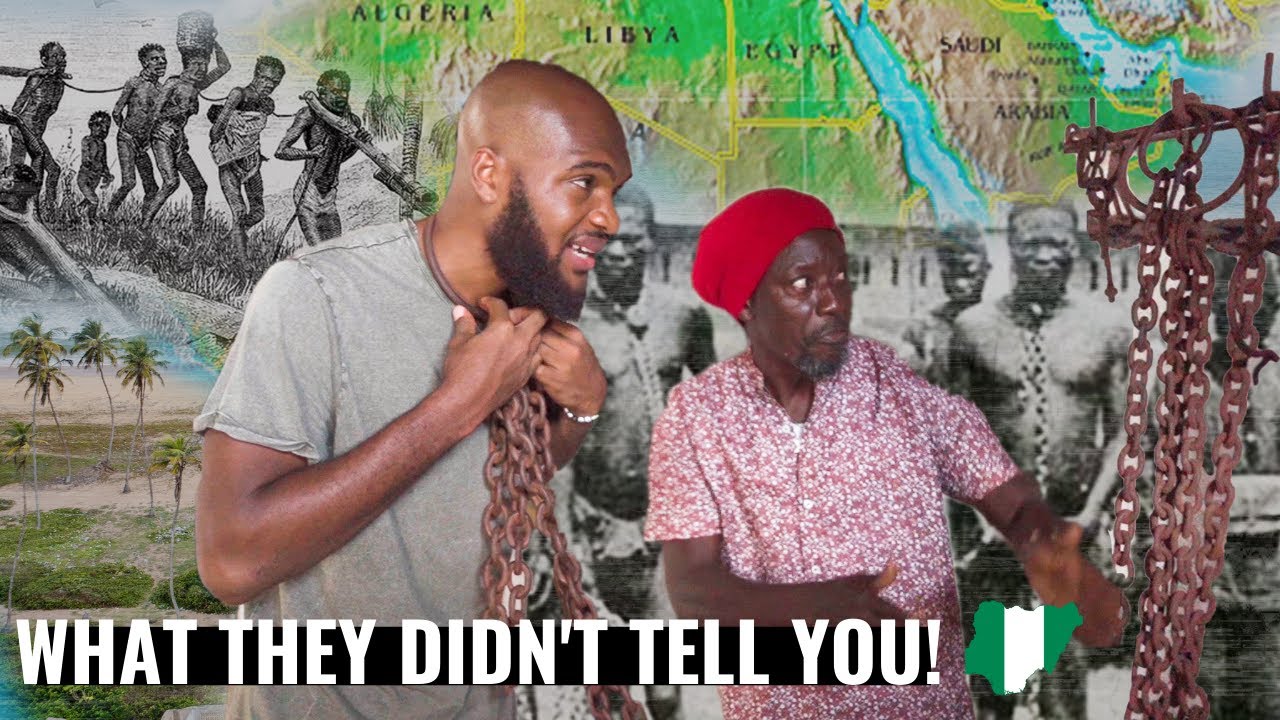
Slave trade in Nigeria started on the Gold coast. After the new world was discovered, the demands for more slaves to build it increased. Slavery, by definition, is when human beings are bought and sold. It is a system of stratification in which a person is allowed to own another person. Slavery was already in existence on the continent of Africa before the advent of the transatlantic slave trade and Nigeria was an active participant.
But before then, people who were captured during internal and intertribal wars automatically became slaves to their new masters, and they were given to the elite of the community to work on their farms and attend to their domestic chores. The Igbo ethnic stock still maintains the Osu caste system to date even with the ban and the emergence of Christianity.
The Osu people are regarded as spiritually unclean; On this account, they are disallowed from marrying a full-blooded Igbo person. During the jihad war, the Sokoto caliphate captured non-Muslims and forced them to work on their farm plantations, and what is more, they only freed those who agreed to convert to Islam. The Yorubas had three categories of slaves,
they were the Iwofas, war captives, and criminals. The Iwofas were slaves that were secured on the inability of a debtor to settle their debt; the war captives were slaves captured during wars; while the last group is comprised of criminals who were turned into slaves. The transatlantic slave trade began when Christopher Columbus discovered the new world and required slaves to work on the land because the locals were getting sick and dying.
In 1517, Bartolome dela casas a catholic bishop suggested they fetch slaves from Africa, in view of the fact that, African slaves were considered to be stronger and less likely to get sick and die of diseases. When they arrived at the slave coast, now Niger Delta, They met with the indigenes from whom they acquire slaves. A man from Britain called John Hawkins made slavery a respectable trade at the time.
How? He introduced the concept of “the triangular trade” wherein slave traders from Britain offered the locals alcohol and weapons of war in exchange for slaves. Thereafter, they travelled to the new world (America)
and they exchange these slaves for sugar, cotton, and money. The revenues were used to boost Britain’s economy.
As the demand for slaves rose, the demands for weapons as well as alcohol by the indigenes rose correspondingly. This led to an increment in the spate of raids and wars. Britain dominated the slave trade industry for 300 years until a Brit named William Wilberforce started an anti-slave trade campaign. As a result, it was banned in Britain in 1807. The French, Portuguese, and Americans were not pleased with the ban including Nigeria’s indigenous leaders such as the Oba of Benin, the king of Ashante & Arochukwu confederacy. This narrative, for the record, happened before colonization. Slavery is illegal in most countries. Notwithstanding, it still exists in the form of human trafficking and child labour.
Our Store:
https://www.patreon.com/DemocracyReporters...
Our Members Only Acess:
https://www.patreon.com/DemocracyReporters...
Buy us a coffee | Onetime Democracy Production Support
https://www.patreon.com/user/shop/buy-us-c...
Get Democracy Supporter T-shirt:
https://www.patreon.com/user/shop/democrac...
Announcement | Shoutout + Free T-shirt:
https://www.patreon.com/user/shop/64790?u=...
Share your thoughts in the comment section 👇🏽respectively!
Follow 👉🏽 @democracyreporters, and let us awaken you to be more aware of what's really going on and enable you to resist the injustice in the world!
Disclaimer for Instagram Fact Checker:
Please be aware that the content of this post is presented solely as a viewpoint, opinion, theory, or satire and should not be interpreted as a statement of fact.
Furthermore, no advice or guidance is being provided.
Copyright Disclaimer under section 107 of the Copyright Act of 1976:
This content is shared under the "fair use" provision for the purposes of criticism, commentary, news reporting, teaching, scholarship, education, and research.
Повторяем попытку...

Доступные форматы для скачивания:
Скачать видео
-
Информация по загрузке: