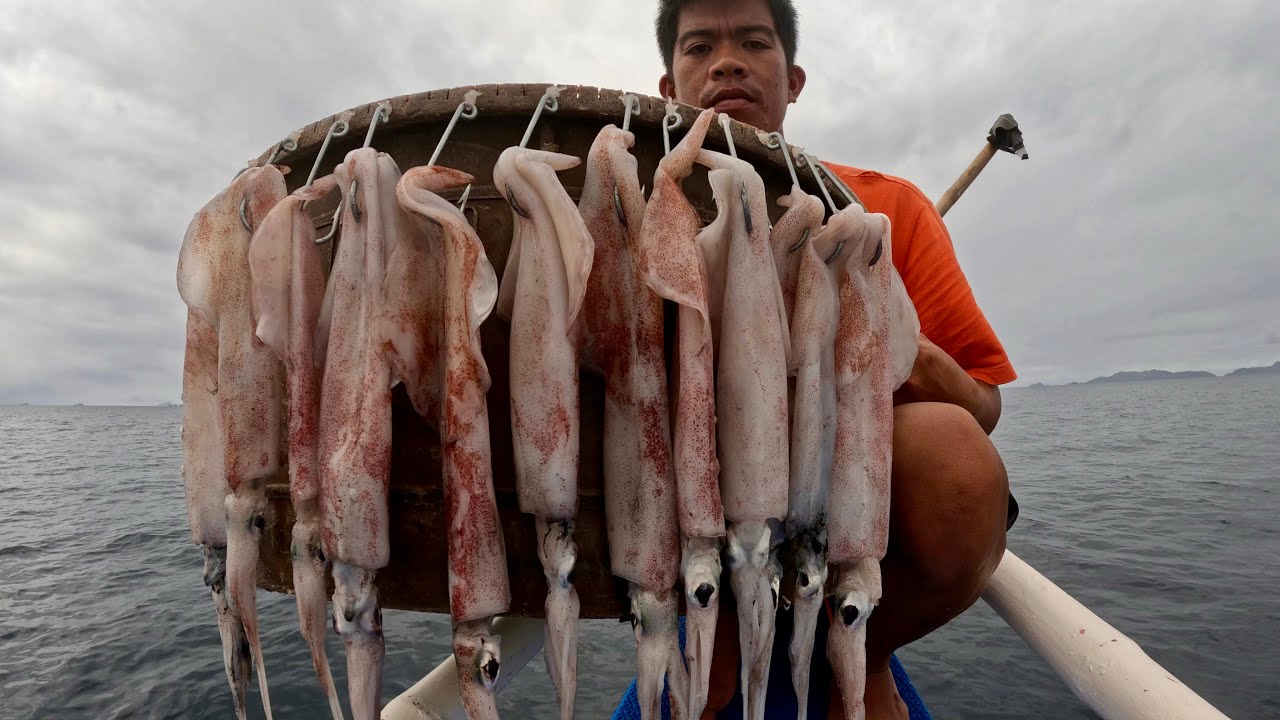
Full video of catching skipjack tuna in the early morning 😱
Автор: THE LIFE OF A FISHERMAN 🎣
Загружено: 2026-02-08
Просмотров: 182
Описание:
Why the Early Morning?
· Feeding Time: Skipjack are opportunistic surface feeders. At dawn, light penetrates the water, illuminating baitfish (like anchovies or sardines), which triggers feeding frenzies.
· Cooler Temperatures: Both fish and fishermen are more active in the cooler morning hours.
· Calm Seas: Winds are often lighter at dawn, creating smoother water, making it easier to spot fish activity (boiling water, birds diving).
The Process: A Synchronized Dance
1. Locating the School: The lookout or captain spots signs—birds diving, surface splashing ("boiling"), or even dark patches of moving fish. Sonar may also be used.
2. Chumming ("Live Baiting"): The crew throws live baitfish (sardines, anchovies) overboard from tanks on the ship. This creates a frenzied, irresistible feeding attraction, locking the school alongside the boat.
3. The Catch: Each fisherman lines the rail, using a short, rigid pole (often bamboo or fiberglass) with a feathered or plastic lure and a barbless hook.
· They cast the line a short distance and jerk it rhythmically through the chummed water.
· A skipjack strikes—the bite is aggressive and direct.
· The fisherman flicks his wrist and pole backward in a swift, fluid motion, swinging the hooked tuna over his shoulder and onto the deck. It's a one-on-one, rapid-fire duel.
4. The Rhythm: In a hot bite, the deck becomes a blur of swinging poles and flying fish. It's non-stop action until the school moves on.
The Gear
· Pole: Short (3-4 meters), light, and strong.
· Line: Short, direct, tied to the tip of the pole.
· Hook: Barbless hooks, often with bright feathers or synthetic dressing to mimic small baitfish. Barbless allows for quick release of the fish from the hook on deck.
The Atmosphere
· Sound: The splash of chum, the slap of fish on deck, the urgent cries of crew, and the whir of lines.
· Sight: Silver flashes in the blue water, the first golden light on the waves, and the intense focus of the fishermen.
· Smell: Salt spray, the sharp scent of the ocean, and later, the briny smell of fresh catch.
Why It's Special
· Sustainability: It's highly selective, with almost no bycatch (unlike nets). It doesn't damage the seabed and has a low carbon footprint.
· Quality: The fish are stressed minimally and bled immediately, resulting in superior flesh quality, crucial for sashimi or tataki.
· Tradition: It represents a hands-on, skillful connection between fisher and fish, a method passed down for generations.
In essence, catching skipjack by pole and line at dawn is a sustainable art form—a fast-paced, physical, and deeply rewarding way of fishing that brings the highest quality tuna to market. It's the antithesis of industrial fishing, relying on instinct, coordination, and respect for the ocean's rhythms.
#fishing #longervideos #poleandline
Повторяем попытку...

Доступные форматы для скачивания:
Скачать видео
-
Информация по загрузке: