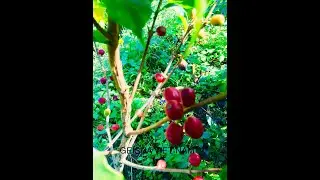
Would you like to see my organic coffee farm ?
Автор: cahaco Чай и Кофе
Загружено: 2025-05-29
Просмотров: 169
Описание:
☕🍵 Cahaco Tea & Coffee – The Essence of Tea & Coffee
☕ Cahaco Coffee Saves a Life☕ Kind Coffee Beans🍵 The Family Story of Tea
Welcome to Cahaco Tea & Coffee – where the passion for tea and coffee comes together!
Here, we bring you:
✅ A wide range of premium teas and pure, natural coffee
✅ Step-by-step guides for making perfect tea and coffee at home
✅ Reviews of the latest tea & coffee products and modern brewing tools
✅ Tips on how to store and enjoy your beverages to preserve their rich flavors
✅ Updates on the latest trends and tea & coffee cultures in Vietnam and around the world
Subscribe and turn on notifications so you won’t miss out on our exciting videos, helping you enjoy every drop of tea and every cup of aromatic coffee!
☕🍵 Cahaco Tea & Coffee – The Essence of Tea & Coffee
📞 Tel. & Zalo: 0933920158 / +84 933920158
📍 Address: 836 Tran Phu, Loc Chau Ward, Bao Loc City, Lam Dong Province, Vietnam
🔗 Facebook: / canh.leminh.908
🔗 TikTok: www.tiktok.com/@cahaco6
#coffee #tea #delicioustea #vietnamesecoffee
Vietnam is the world's largest producer of Robusta coffee, accounting for approximately 97% of the country's total coffee output. The majority of this production is concentrated in the Central Highlands, particularly in provinces like Đắk Lắk, where the red basalt soil and favorable climate create ideal conditions for cultivating Robusta beans.
Robusta coffee (Coffea canephora) is known for its bold, bitter flavor, higher caffeine content, and lower acidity compared to Arabica beans. These characteristics make it a popular choice for espresso blends, instant coffee, and traditional Vietnamese beverages like cà phê sữa đá (iced coffee with condensed milk).
Introduced during the French colonial era in the mid-1800s, coffee cultivation in Vietnam expanded significantly following the Đổi Mới economic reforms of 1986. These reforms encouraged private enterprise and export-oriented agriculture, leading to a boom in coffee production. By 2023, Vietnam's annual coffee exports reached 1.62 million tons, solidifying its position as a global coffee powerhouse.
In recent years, there has been a growing emphasis on improving the quality of Vietnamese Robusta. Farmers and producers are adopting better cultivation and processing techniques to meet the rising demand for specialty coffee. This shift not only enhances the global reputation of Vietnamese coffee but also contributes to the sustainability and profitability of the industry.
☕ Coffee Processing
A detailed journey from ripe cherries to green beans ready for roasting. Every step directly influences the final flavor and quality of your coffee. Below are the main stages, focusing on the two most common methods: wet and dry processing.
1. Harvesting
Only fully ripe, red cherries are handpicked to avoid mixing with unripe or damaged fruit.
2. Sorting & Cleaning
Cherries are soaked in water to remove debris. Floating cherries (often defective) are discarded. Only dense, high-quality cherries are kept.
3. Pulping (Wet Method)
In wet processing, outer skins are removed to access the mucilage-covered beans, which are then fermented to remove the slimy layer.
4. Fermentation & Washing
Mucilage-covered beans are soaked in fermentation tanks for 12–36 hours, depending on temperature. Once the mucilage dissolves, beans are thoroughly washed.
5. Drying
Beans (or whole cherries in dry processing) are sun-dried or machine-dried to reduce moisture to 10–12%. Drying must be even to prevent mold or unwanted fermentation.
6. Hulling
After drying, parchment skin is removed to yield green beans (coffee beans).
7. Grading & Sorting
Beans are sorted by size, weight, and color. Defective or broken beans are discarded. Vibrating screens, gravity sorters, and color sorters ensure batch consistency.
8. Packaging & Storage
Beans are packed in jute bags and stored in a cool, dry, and ventilated space away from sunlight and humidity. This rest period stabilizes beans before roasting.
Note:
Aside from wet and dry methods, the honey process leaves some mucilage during drying, creating a balanced flavor with sweetness, acidity, and a smooth finish.
Повторяем попытку...
Доступные форматы для скачивания:
Скачать видео
-
Информация по загрузке: