The Dodo | Who Killed The Last One?
Автор: Ranger Raven
Загружено: 2025-03-08
Просмотров: 106
Описание:
Hello, this is Ranger Raven and in this video we uncover the truth about the Dodo's extinction!
Please like and subscribe so I can do what I love full-time!
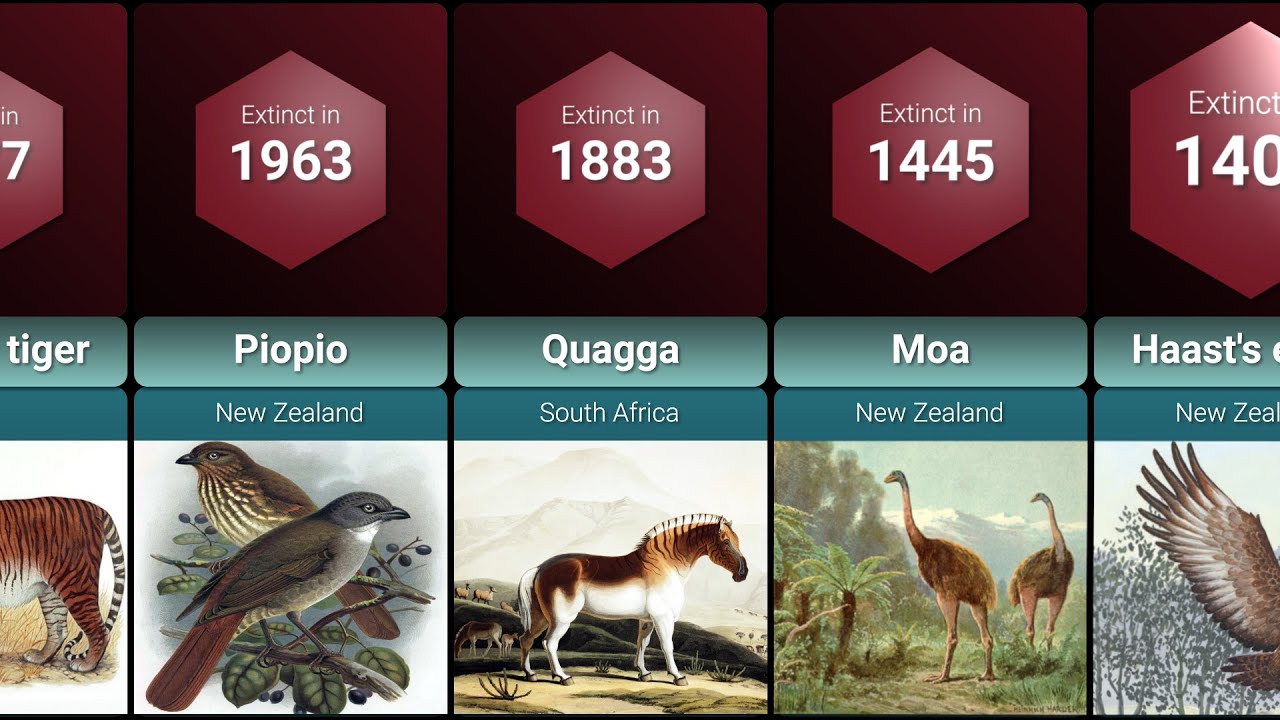
The dodo, a flightless bird from Mauritius, is often cited as an early and iconic example of human-caused extinction. https://www.amnh.org/exhibitions/permanent...
Due to the absence of natural predators on Mauritius island, dodos were unafraid of humans. Fear is often a learned response. Animals that have evolved in environments without human predators or significant human interaction simply haven't had the opportunity to learn that humans pose a threat. They haven't experienced the negative consequences of human presence, such as hunting or habitat destruction.
They nested on the ground and are thought to have laid a single egg. It is believed they ate fruits, and other ground based foods.
https://www.newscientist.com/article/mg244...
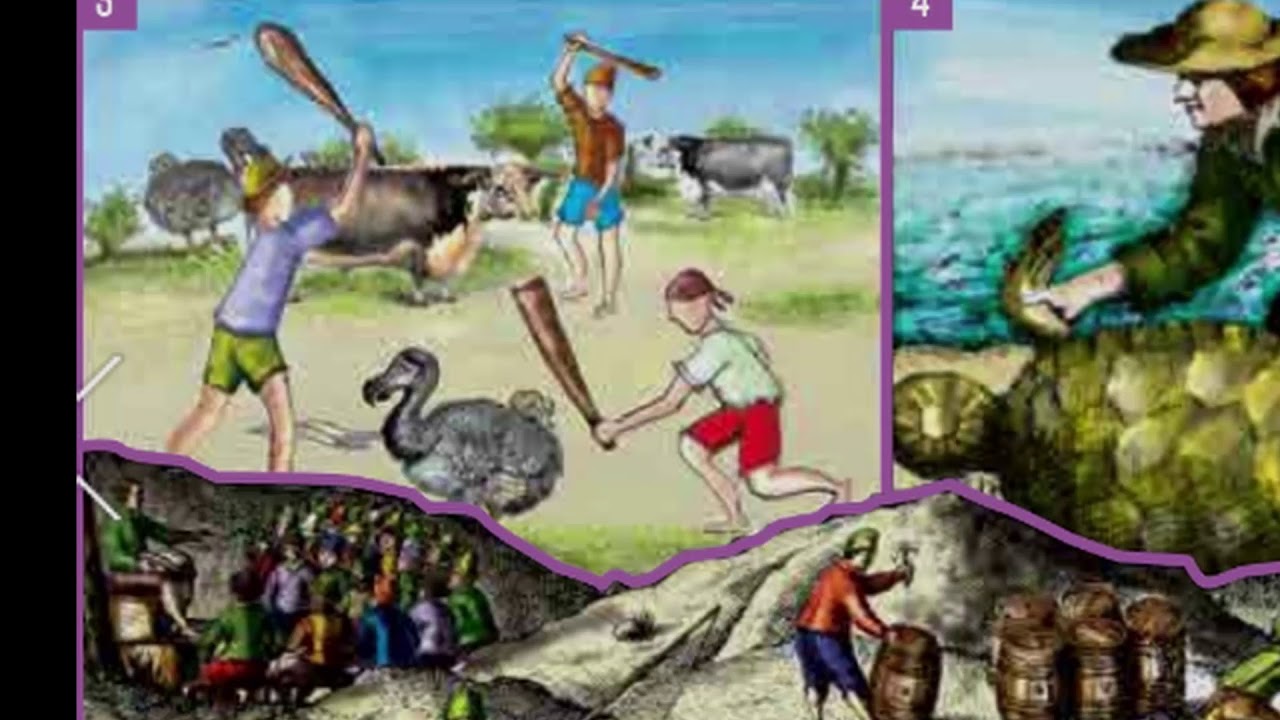
Dodos were at risk as soon as Dutch sailors landed on their island in 1598.
https://www.discoverwildlife.com/animal-fa...
The Dutch crew put ashore that discovered an abundance of wildlife, including “a great quantity of fouls twice as big as swans”. They killed and ate some, but the meat was no good, so they killed and ate some parrots and pigeons instead. Later on, however, its chicks and eggs had been predated remorselessly by invasive rats, cats, dogs and pigs, and it's habitat on the once-pristine paradise of Mauritius was destroyed.
https://www.newscientist.com/article/mg244...
Found by Dutch soldiers the Dodo became extinct less than 80 years later because of deforestation, hunting, and destruction of their nests by animals brought to the island by the Dutch.
Dr. Neil Gostling from the University of Southampton exclaims "The Dodo was the first living thing that was recorded as being present and then disappeared". Before this, it hadn’t been thought possible for human beings to influence animals in such a way.
Dr. Mark Young, lead author of the paper from the University of Southampton says that “By the 18th and early 19th centuries, the Dodo was considered to be mythological beast." It was the hard work of Victorian-era scientists who finally proved that the Dodo were instead giant ground doves.
https://scitechdaily.com/rewriting-dodo-hi...
The last recorded sighting of the bird, now known as the dodo, was in 1662. At the time, nobody much noticed or cared.
https://www.newscientist.com/article/mg244...
The dodo serves as a stark reminder of the importance of conservation and the impact humans can have on the natural world.
The loss of the dodo, a charismatic and culturally significant species, is a poignant example of the damage human activities can do to animals, particularly isolated island dwellers.
Island species are especially at risk as they are often endemic, evolutionarily distinct, and vulnerable to new disturbances. One modern parallel to the dodo is the kakapo, another flightless island bird that is at risk of extinction due to invasive domestic animals.
Preventing the spread of novel invasive species is one way of protecting our fascinating island fauna. Sadly this lesson is too late for the dodo.
https://www.discoverwildlife.com/animal-fa...
Повторяем попытку...

Доступные форматы для скачивания:
Скачать видео
-
Информация по загрузке: