St Botolph's without Aldersgate, Part 2 = permission visit, up into the galleries. See description
Автор: London Luke Living History Page
Загружено: 2022-11-10
Просмотров: 59
Описание:
Part 2 = The Guild Church of St Botolph's without Aldersgate. I absolutely loved this one "mainly because I was allowed = access all areas" But, also the stained glass in this one "is literally breath takingly beautiful!! Wednesday 9th November 2022.
This video = is my favourite part = where I was allowed up into the galleries above "where the wealthier parishioners would once have sat = with their servants/household along the lift up pews, at the back" = such a treat, to get such a close up view of the gorgeous stained glass & looking down into a church, for a change 🙂 = then privilege number 2 = having access to the organ loft & organ + a mini snoop around.
Some great photos of the stained glass, to hit the pages soon!
. . . . . . . . . . . . . . . . . . . . . . . . . . . . . . . . . . . . . . . .
(History of the Church)
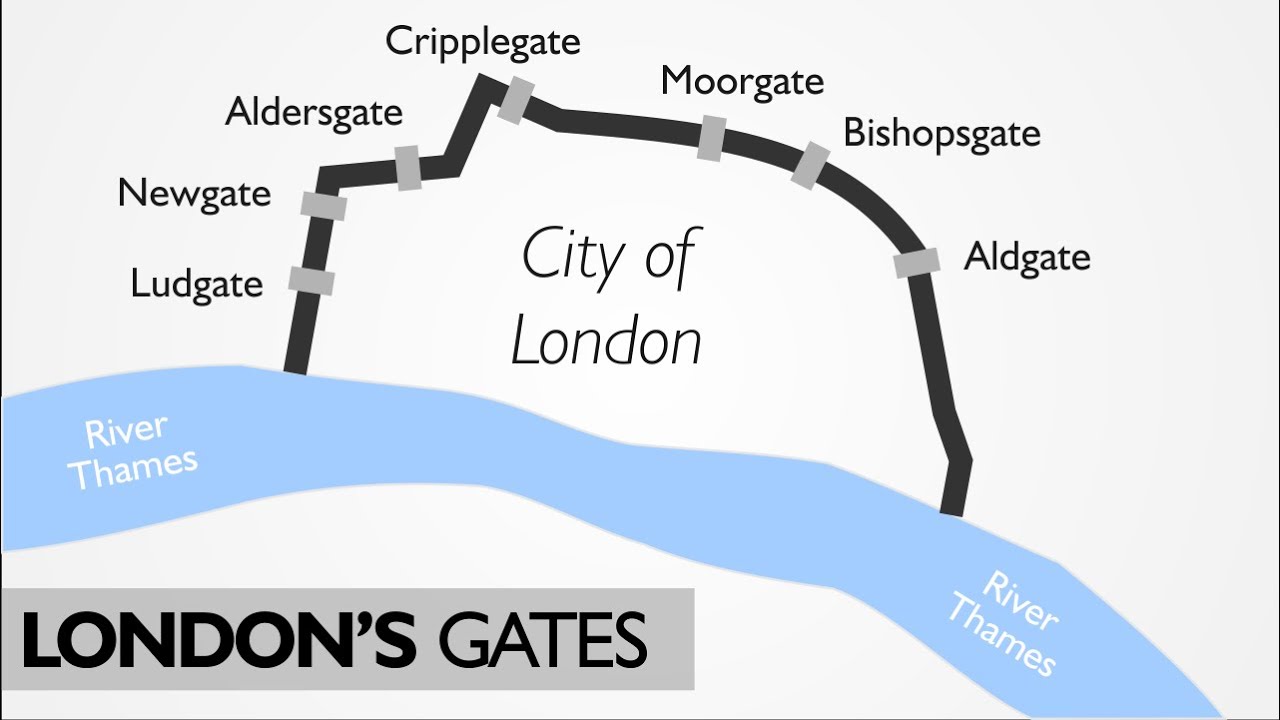
St Botolph without Aldersgate (also known as St Botolph's, Aldersgate) is a Church of England church in London dedicated to St Botolph. It was built just outside Aldersgate; one of the gates on London's wall in the City of London.
The church, located on Aldersgate Street, is of medieval origin. The church survived the Great Fire of London with only minor damage but subsequently fell into disrepair and was rebuilt in 1788–91. The church is renowned for its beautiful interior "particularly its stained glass" and historic organ. It is currently used by the London City Presbyterian Church, a congregation of the Free Church of Scotland.
The church escaped the Great Fire of London with only minor damage, but, having become unsafe, was demolished and rebuilt in its present form in 1788–1791 under the supervision of Nathaniel Wright, surveyor to the north district of the City of London. The new church was built of brick, with a low square bell tower at the west end constructed on the remains of its stone predecessor.
The plain exterior is in contrast to what John Betjeman called an "exalting" succession of features inside. The interior has wooden galleries supported on square panelled columns, a semi-circular apse with a half dome, a highly decorated plasterwork ceiling, and, at the east end the only 18th century stained glass window in the City of London, a depiction of The Agony in the Garden painted by James Pearson. The stained glass in the aisles is partly Victorian, and partly from the 1940s. Some monuments were preserved from the old church, including the tomb of Anne Packington, who died in 1563. The organ, in a gallery at the west end, is by Samuel Green and dates from 1788.
The east façade, towards Aldersgate Street, is a screen wall, erected in 1831 and executed in Roman cement, with a pediment and four attached Ionic columns standing on a high plinth, with a Venetian window between them.
The church underwent several restorations during the 19th and 20th centuries, and many of the furnishings are from the late 19th century. From the mid-1980s the church was restored by Caroe & Partners. Work on the east front was completed in 2008.
St Botolph's churchyard was combined with those of St Leonard, Foster Lane, and Christchurch, Newgate Street, into Postman's Park in 1880, and this now contains the Watts Memorial to Historic Self-Sacrifice, commemorating civilian Londoners who died heroic deaths.
The church was designated a Grade I listed building on 4 January 1950.
Currently, St Botolph's, Aldersgate is used by the London City Presbyterian Church, a congregation of the Free Church of Scotland, that meets there every Sunday. During the week, the building is used for lunchtime services, under the auspices of St Helen's Bishopsgate, Church of England. It is also the rehearsal venue of the Amati Orchestra.
Повторяем попытку...

Доступные форматы для скачивания:
Скачать видео
-
Информация по загрузке: