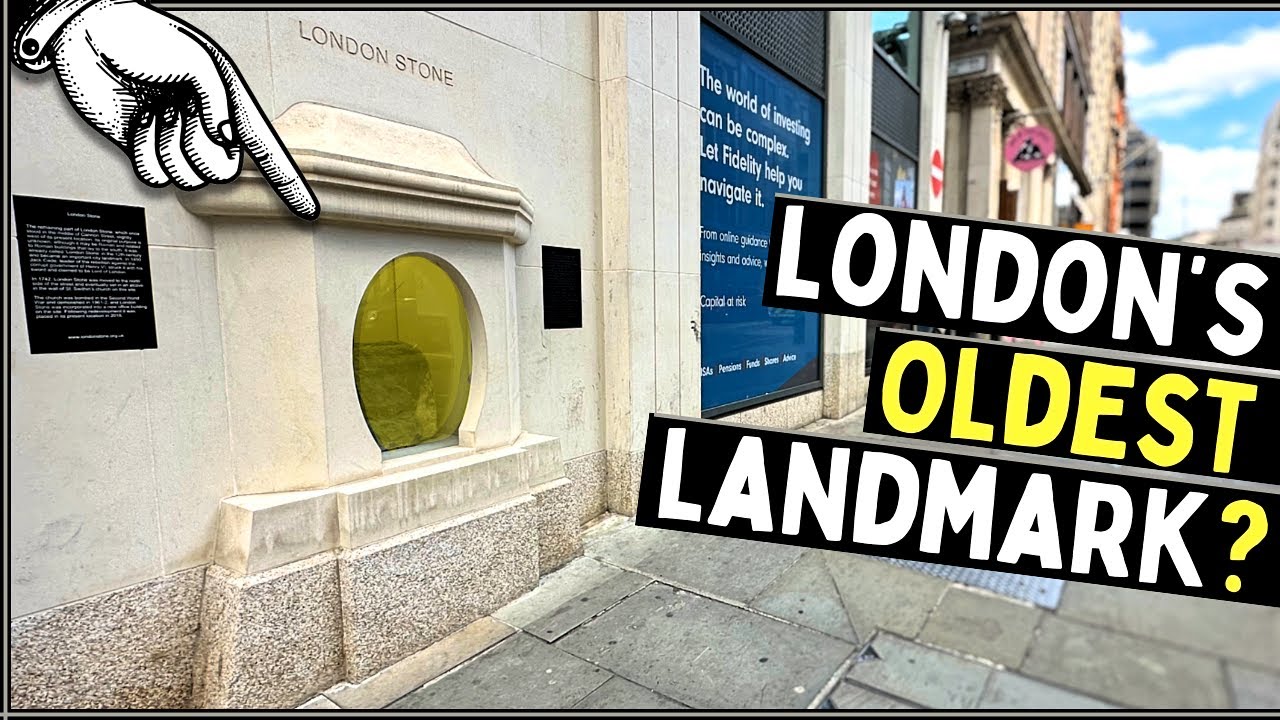
Searching For The LONDON STONE'S True Origin
Автор: MegalithHunter
Загружено: 2022-07-19
Просмотров: 2001
Описание:
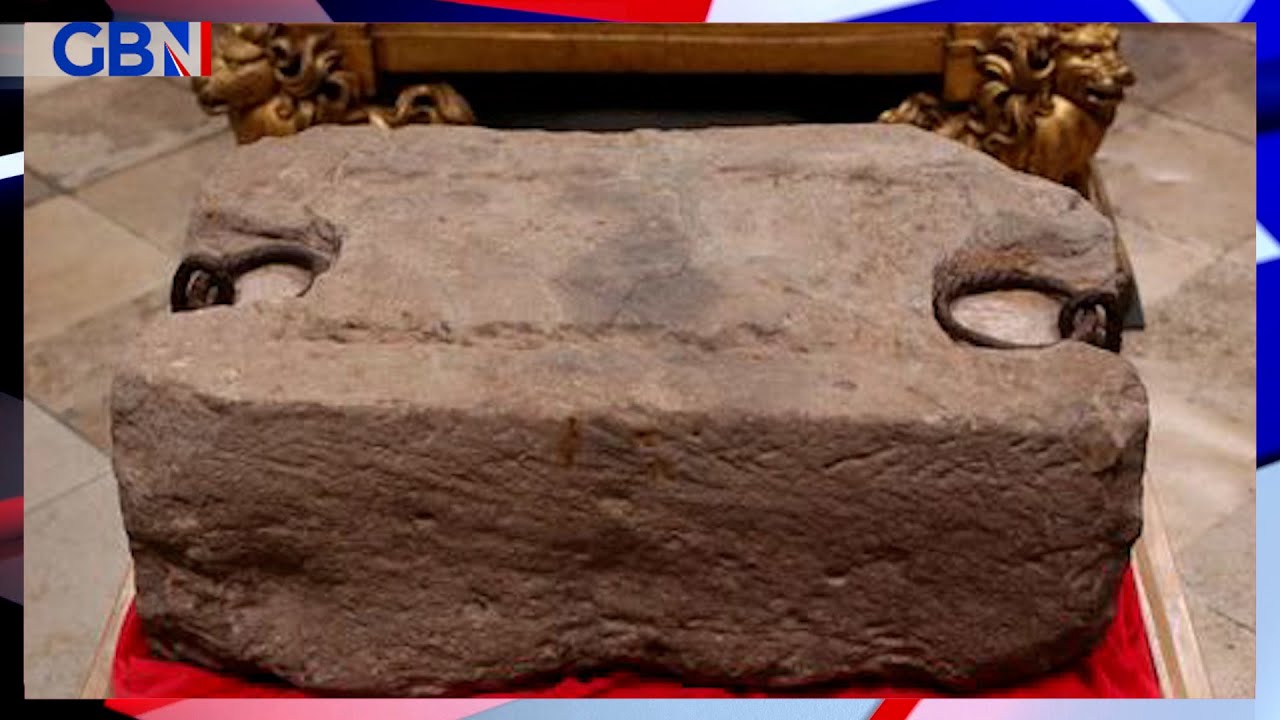
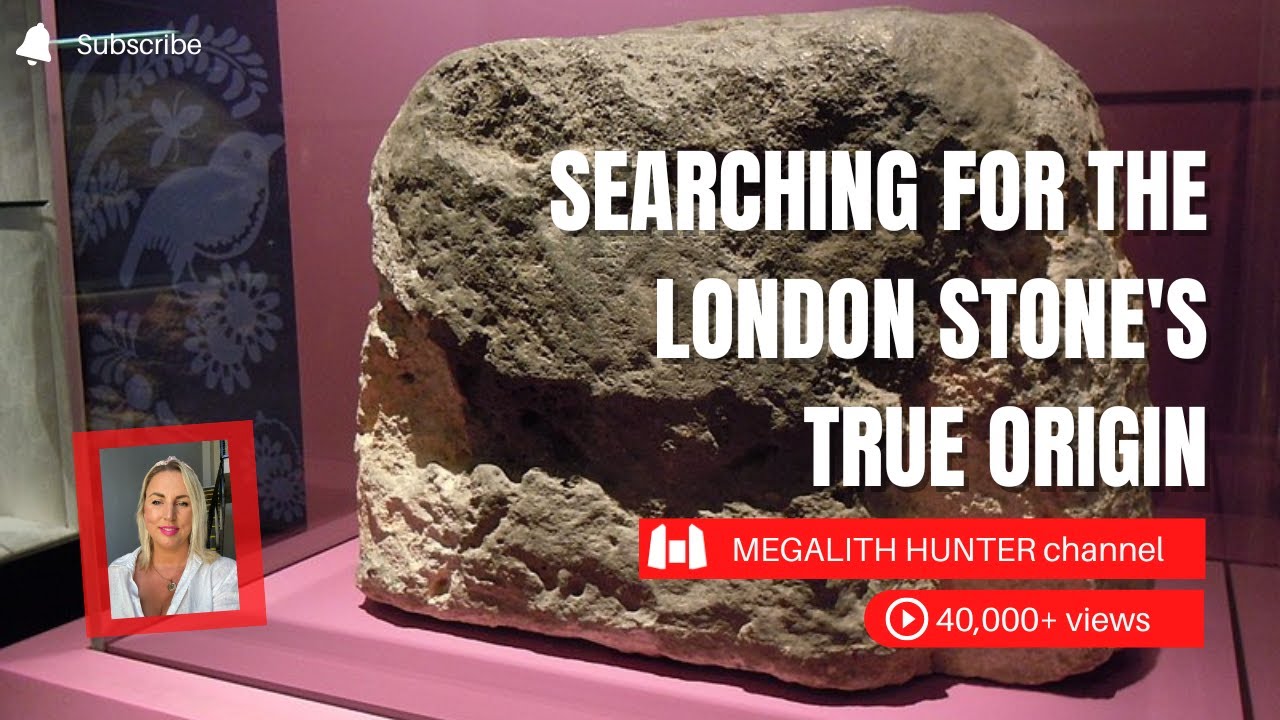
In the United Kingdom there are at least three stones that seem to have been important in the ancient past but that have obscure origins! Could the London Stone, the Stone of Scone and the Lang Stane date back as far as the Neolithic period? Are they remnants of ancient megaliths? Could the London Stone have been part of a Roman palace? Why has the Stone of Scone, also known as the Stone of Destiny, been used in coronations for hundreds of years? Whatever function they once had, they have become the stuff of myth and legend. In this video I look at the evidence that exists about the history of these three strange stones. From old texts to medieval maps, their history is certainly long but just how long? I also discuss all the myths and legends assocaited with these enigmatic pieces of rock.
The London Stone now sits in a museum, any magical powers it may have now presumably limited! In Aberdeen the Lang Stane sits on the side of the road, giving no hints to its origins. However, the Stone of Scone is still used for coronations and will be transported from Scotland to London for that of King Charles III. Its ceremonial role is steeped in tradition, albeit one that's little understood. The sources I used for this video are in the description below and I would like to recommend The Survey of London in 1598 as wonderful reading material! It not only sheds light on this topic, but is also a fascinating read for anyone interested in 16th century London.
#ancient #coronation #LondonStone #StoneOfScone
✨ IN THIS EPISODE
00:00 Introduction
00:36 The London Stone
07:45 The Stone of Scone
09:10 The Lang Stane
✨ REFERENCES
Clark, J. (2010). London Stone: Stone of Brutus or Fetish Stone—Making the Myth, Folklore, 121:1, 38-60.
Clark, J (2016). London Stone in seven strange myths. Museum of London, 4 March. Available at: https://www.museumoflondon.org.uk/dis...
Marsden, P. (1975). ‘The Excavation of a Roman Palace Site in London.’ Transactions of the London and Middlesex Archaeological Society. 26: 1–102.
Stow, J. (1598). The survey of London. London J.M. Dent & Sons Ltd.
The Urban Prehistorian. (2022). ‘Buried alive.’ The Urban Prehistorian, 24 February. Available at: https://theurbanprehistorian.wordpres...
✨ MUSIC CREDIT
Music I Use: https://www.bensound.com/free-music-f...
License code: YD3SKFJMVNDTLWEX
✨ PHOTOGRAPH CREDITS
CC BY-SA 4.0 https://creativecommons.org/licenses/...
Thumbnail: The London Stone in the Museum of London, credit: Lord Belbury
The London Stone on Cannon Street, credit: GrindtXX
The London Stone in the Museum of London, credit: Lord Belbury
Lia Fáil, credit: JohnJDuncan
CC BY-SA 3.0 https://creativecommons.org/licenses/...
London Stone behind metal grill, credit: Lonpicman
CC BY-SA 2.0 https://creativecommons.org/licenses/...
St. Swithin’s Church after it was destroyed, credit: David Wrigh
The Stone of Scone, credit: PAUL FARMER
Public domain
Copperplate map
The survey of London cover
Map of London in the survey of London
Other
Map of the palace site, credit: Figure 28 in Marsden, P. (1975) as referenced above.
Image overlay of map of the palace site, credit: Figure 28 in Marsden, P. (1975) as referenced above.
Map of Aberdeen 1746, credit: Reproduced with the permission of the National Library of Scotland
Повторяем попытку...
Доступные форматы для скачивания:
Скачать видео
-
Информация по загрузке: