UCI ExpertsON: Social Movements
Автор: UC Irvine School of Social Sciences
Загружено: 2023-03-28
Просмотров: 846
Описание:
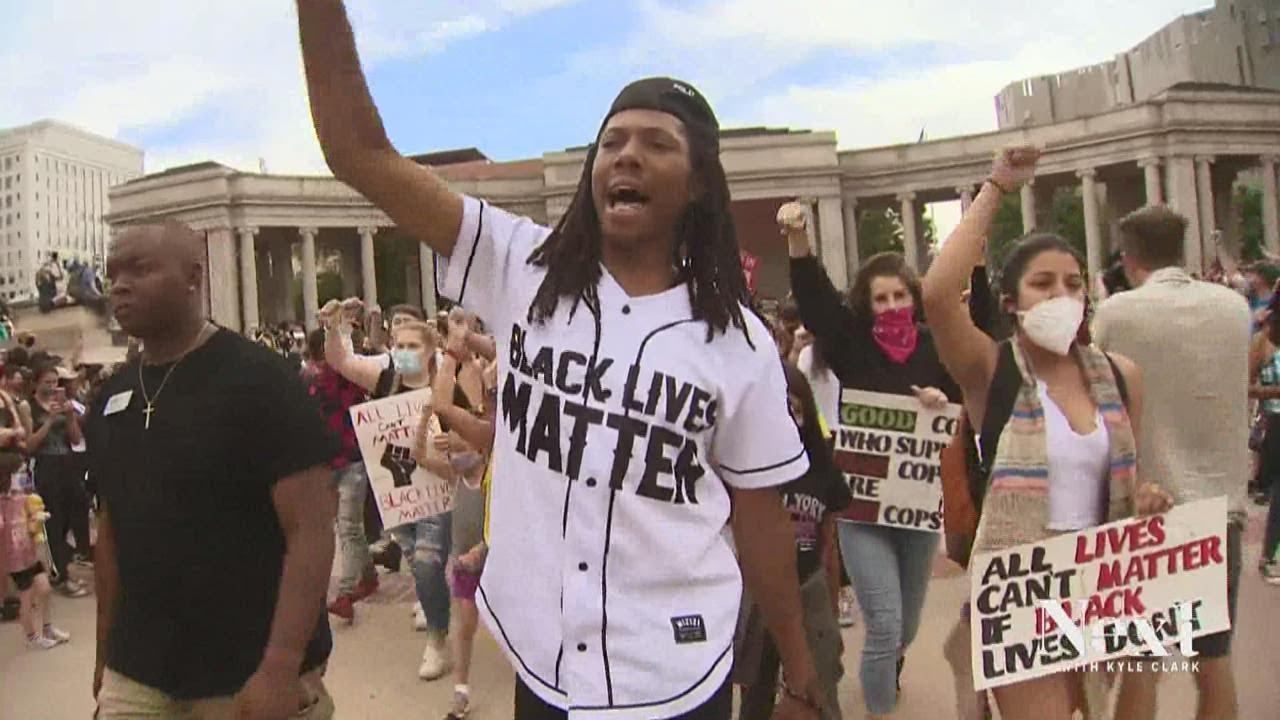
What factors influence the news coverage of social movements? Why do some activist groups gain media momentum where others fail? I’m Edwin Amenta, UCI professor of sociology, and I’ve spent the past three decades doing research in political sociology and on social movements. My newest book, Rough Draft of History: A Century of US Social Movements in the News, co-authored with Neal Caren, examines how journalists have reported on hundreds of social movement organizations from the 1900 to the present and the consequences of that coverage.
We examined tens of millions of articles to zero in on the more than one million that discussed social movement organizations. We discovered that the social movements with the most coverage include some that might be expected, such as the Black rights movement, the women’s rights movement, and the environmental movement. But what might be a surprise is that the labor movement was by far the most newsworthy. Also, the Black Power movement was in the news more than the civil rights movement. And the veterans’ rights movement was extensively covered in the news as were the anti-alcohol and nativist or white supremacist movements.
Appearing in the news is important for social movement actors. It helps to bring new issues into public discussion and helps to legitmate new political actors and constituents. So what historically has driven the news coverage of movements? Well, for entire movements, some combination of internal and external characteristics led them to be extensively covered. The movement-related ones included having a lot of organizations and disruptive capacities—like being able to strike or stage protests--plus a willingness to use them. The political contextual conditions included having gained previous policies favoring their constituents and when a left- or right-wing government was in power. For individual movement organizations, it helped to be politically engaged, have a lot of members, and some experience with disruptive tactics. Each of these characteristics feed into the operating procedures of journalists, who focus on politics, new social phenomena, and conflict.
We also identified and examined the 100 movement organizations that were extensively covered in a specific year in the century. There are many well-known organizations among these 100—the AFL-CIO, NAACP, American Legion, Ku Klux Klan, and many unions, as well as more recent organizations like the NRA, AARP, NOW, and Greenpeace. But others made a big if brief splash in public discourse and were not heard from much again. In the first part of the century, making big news were the League of American Wheelmen, the National Security League, the German-American Alliance, the Women’s Organization for National Prohibition Reform, the Townsend Plan, and the America First Committee. Later in the century, there were the Free Speech Movement, Peace and Freedom Party, Jewish Defense League, Professional Air Traffic Controllers Organization, and ACT-UP among others.
Getting news coverage usually meant public attention for the issues that the movements sought to advance and tended to promote the growth and public profile of the organizations that received it. How the organization was treated in the news usually depended on what the organization was in the news for. Organizations in the news for legislative or litigation campaigns tended to gain good news. The Townsend Plan and Ham and Eggs in the 1930s dramatized poverty among senior citizens, pressed for extensive old-age pensions, and helped to induce the creation of Social Security.
But it wasn’t all good news. In some instances, movement organizations received such rough media treatment that it sent them into a kind of death spiral, especially those making news for congressional investigations, for trials, or for violent action. The German-American Alliance was a massive organization that was investigated by Congress during World War I for being anti-war and folded soon afterward. The bids by the FBI to undermine the Black Panther Party in the early 1970s worked significantly through the news coverage of trials that often included fake witnesses.
In this century, there are many more movement organizations, and even when attention declines for some movements and organizations, it rarely goes away altogether. That means news attention has become increasingly dispersed.
But the main changes in this century are in politics and the news media. Politics have become more nationalized and asymmetrically polarized, and favor the political right. That situation has hindered the kinds of reforms that have historically aided left movements and their constituents.
Повторяем попытку...

Доступные форматы для скачивания:
Скачать видео
-
Информация по загрузке: