How Can We Predict and Manage Urban Traffic Flows Using Python
Автор: Analytics in Practice
Загружено: 2025-03-13
Просмотров: 477
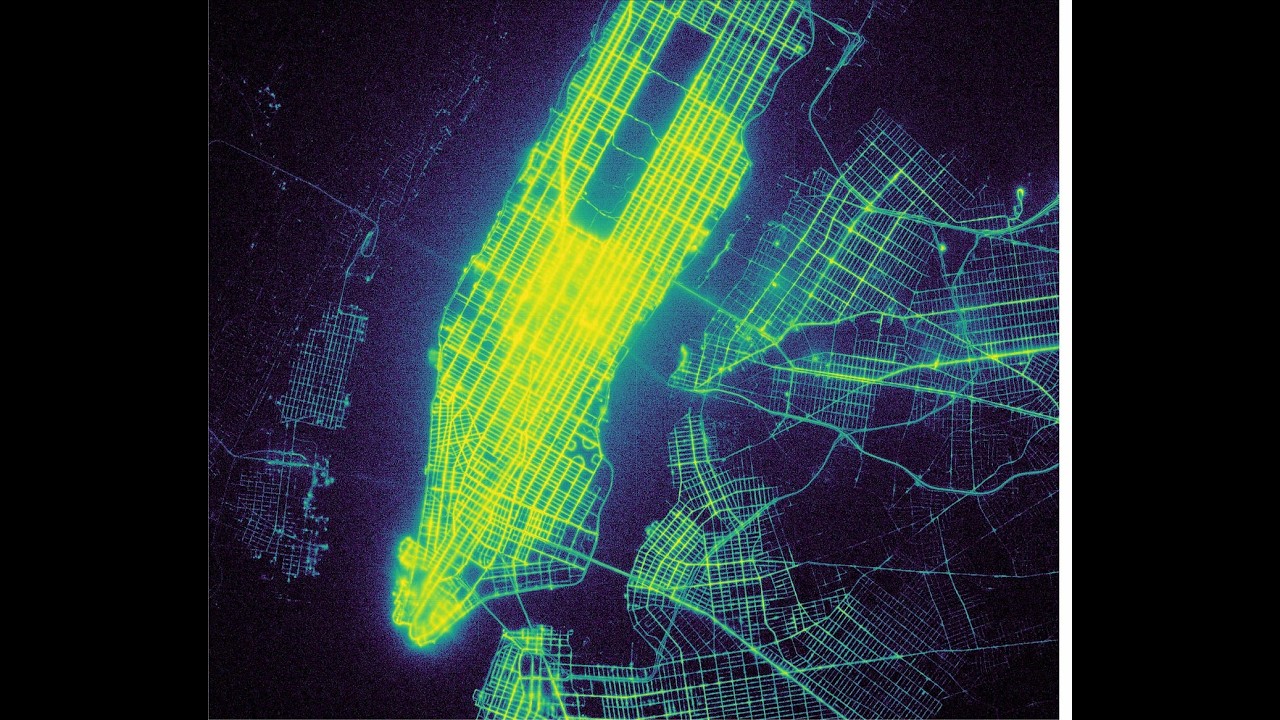
Описание: Urban traffic flow prediction and management are essential for optimizing mobility, reducing congestion, improving public transportation, and promoting sustainability. Python, along with tools like Google Maps API, can help predict and manage traffic by analyzing data on vehicles, buses, bikes, pedestrians, and public transit. One approach involves using agent-based modeling and network simulations to simulate traffic flow. Real-time traffic data can be obtained from the Google Maps API, which provides traffic information, alternative routes, and step-by-step directions. This data can be visualized on maps using Python libraries like Folium, and routes can be color-coded based on traffic conditions. In addition to predicting traffic, reinforcement learning (RL) can optimize traffic signals, rerouting, and congestion pricing. Another strategy involves simulating transport policies, such as carpool lanes or increased bus frequency, to observe their impact on congestion. Using machine learning and graph neural networks (GNNs), traffic flow prediction can be further enhanced by creating models that use historical data, road networks, and congestion patterns. These models help predict future congestion levels and adjust traffic light timings dynamically. Simulations of various transport policies and optimization strategies can help cities design more efficient, safer, and sustainable traffic systems.
Повторяем попытку...

Доступные форматы для скачивания:
Скачать видео
-
Информация по загрузке: