Deep Vein Thrombosis (DVT): Causes, Symptoms, Treatment, and Prevention | In Hindi | Mera Physio
Автор: Mera Physio - Physiotherapy & Pain Clinic
Загружено: 2025-11-07
Просмотров: 58
Описание:
Deep Vein Thrombosis (DVT) is a common and important disease involving the formation of a blood clot (thrombus) within the deep veins, most frequently in the leg, but also potentially occurring in the arms or mesenteric and cerebral veins. It is a critical component of Venous Thromboembolism (VTE) disorders, which represent the third most common cause of death from cardiovascular disease after heart attacks and stroke.
This comprehensive video breaks down DVT, focusing on awareness, early recognition, and prevention strategies to safeguard your health.
The Danger: Pulmonary Embolism (PE)
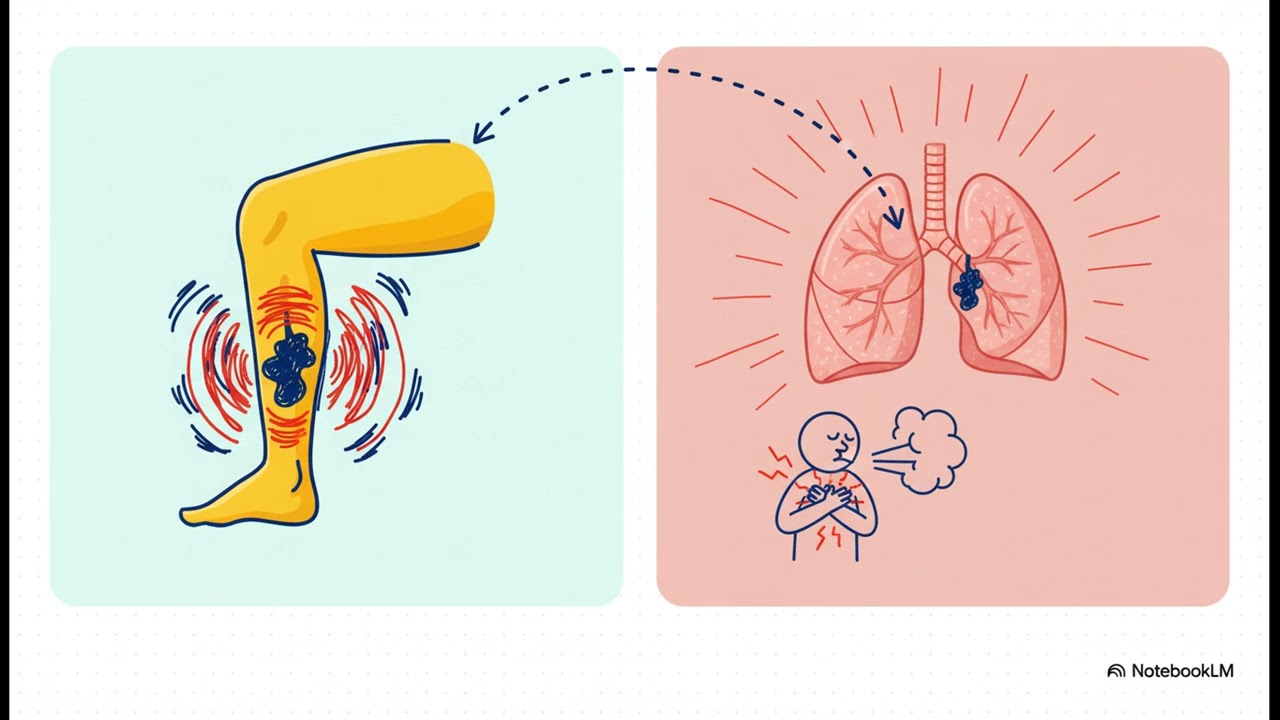
The greatest risk associated with DVT is the potential for the clot to break off and travel to the lungs, leading to a potentially life-threatening complication known as a Pulmonary Embolism (PE). Even patients who avoid PE may still face recurrent thrombosis and "post-thrombotic syndrome".
Causes and Risk Factors
DVT is primarily caused by factors that slow blood flow (stasis), damage the vein wall (endothelial injury), or make the blood more likely to clot (hypercoagulability)—a concept known as Virchow’s Triad.
Key risk factors include:
• Prolonged Immobility: Being bedridden (e.g., following surgery or illness), having a leg in a cast, or sitting for long periods during travel (bus, train, plane, or car).
• Medical Conditions & Trauma: Injury to a vein (such as a broken bone), surgery (particularly orthopedic and cancer surgery), heart failure, varicose veins, phlebitis, inflammatory bowel diseases, and certain cancers.
• Lifestyle & Genetics: Obesity, smoking, being older than 40 years, pregnancy, inherited clotting disorders, and the use of some oestrogen-containing oral contraceptive pills or menopausal hormone therapies (HRT).
Recognizing the Symptoms
DVT does not always cause symptoms, but if they occur, the first symptom is usually a cramp-like aching pain in the affected muscle, which may worsen with exercise.
Common signs in the calf muscle or affected area include:
• Swelling of the lower leg.
• Tenderness, localized redness, and warmth.
• A mild fever.
• Lower leg veins that become more prominent.
Symptoms of a life-threatening PE require immediate medical attention and include:
• Sudden shortness of breath.
• Sharp chest pain that worsens with deep breaths.
• A rapid heart rate.
• Coughing-up blood (hemoptysis).
Diagnosis and Treatment
If DVT is suspected, it is vital to seek medical attention promptly. Diagnosis usually begins with a physical exam and medical history.
Diagnostic tools include:
• D-Dimer Test: A blood test measuring a protein essential for blood clotting.
• Doppler Ultrasound: The most common diagnostic test, used to determine blood flow and detect clots.
• Venogram, MRI, and CT scans may be used in complex cases.
Treatment goals are to limit the clot size and movement and prevent complications. Treatment generally involves:
• Anticoagulants (Blood Thinners): Medications like heparin or warfarin reduce the blood's ability to clot, preventing the existing clot from growing and reducing the risk of new clots. Treatment is often maintained for at least three months.
• Thrombolytic Agents: Clot-dissolving drugs used primarily in life-threatening situations due to the risk of severe bleeding.
• Compression Stockings: Elasticized support worn to encourage blood return and help reduce swelling.
• Surgery: In high-risk cases, a small filter (IVC filter) may be inserted into the main vein (vena cava) to trap traveling blood clots, preventing them from reaching the heart and lungs.
Prevention and Lifestyle
Prevention is the best defense. Key strategies include:
• Movement: Exercise regularly (walking, swimming, bicycling). For those recovering from DVT, stick to light physical activities as directed by a doctor.
• Hydration: Drink plenty of non-alcoholic fluids, especially during long-distance travel, to avoid dehydration.
• Leg Exercises: Perform ankle joint exercises (dorsiflexion, plantar flexion, inversion, eversion, circumduction), calf raises, knee lifts, and various stretches (like the straight leg raise or crossover reverse lunge) to encourage blood flow.
• Weight Management: Maintain a healthy body weight and eat a low-fat, high-fiber diet.
• Medical Compliance: Wear compression stockings and follow a doctor’s instructions regarding medication or aspirin if prescribed for high-risk travel.
-------------------------------------------------------------------------------
Disclaimer: This video provides general information about Deep Vein Thrombosis (DVT) and is not a substitute for professional medical advice, diagnosis, or treatment. Always seek the advice of a qualified health provider with any questions you may have regarding a medical condition. This video is an AI generated video.
-----------------------------------------------------------
Mera Physio – Physiotherapy & Pain Clinic
#MeraPhysio #Physiotherapy #PainRelief #Rehabilitation #SportsInjury #HealthCare #BackPain #KneePain
Повторяем попытку...
Доступные форматы для скачивания:
Скачать видео
-
Информация по загрузке: