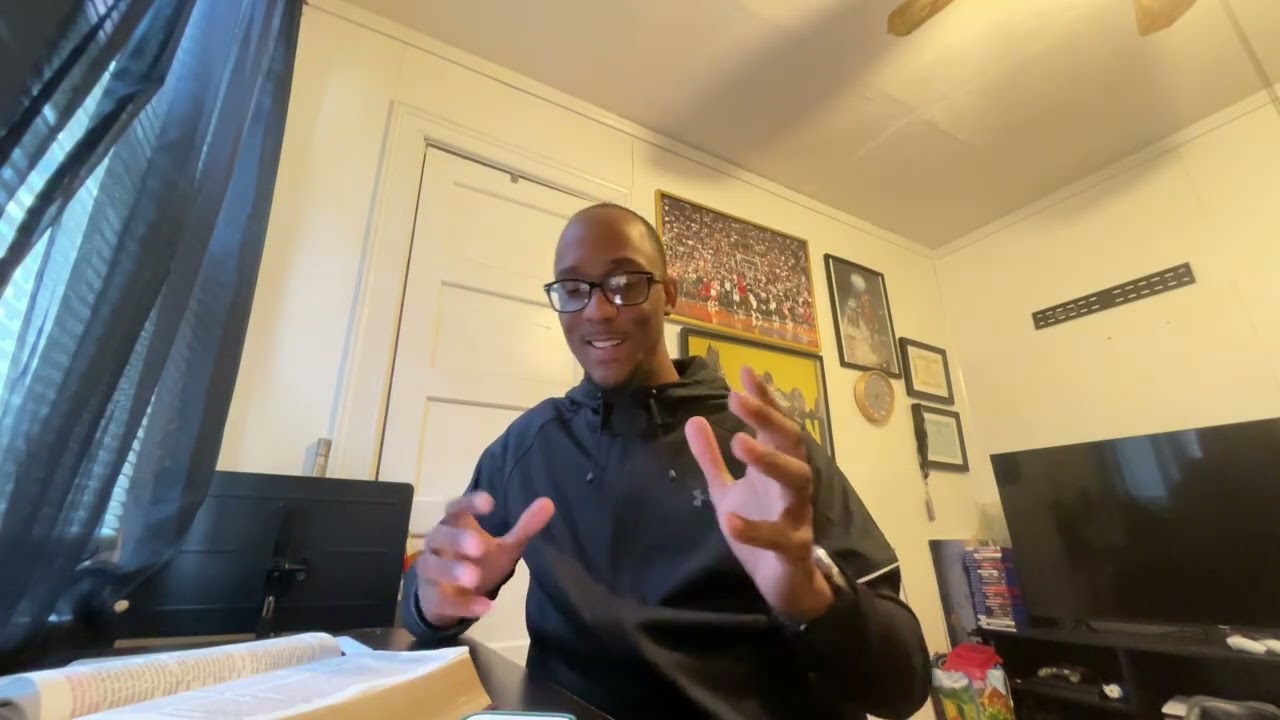
The Heart of Jesus for God’s People
Автор: City on a Hill Church
Загружено: 2026-02-19
Просмотров: 30
Описание:
In our last Bible study, we continued through the Gospel of John and stepped into John chapter 2, where two familiar events reveal something important about Jesus—not only His power, but His heart. Before we even opened the chapter, we were reminded of something simple but easy to forget: anything we do for God is a sacrifice. Time spent gathering, praying, reading, and listening is an offering the Lord sees and honors.
John 2 begins with Jesus attending a wedding in Cana. When the wine ran out, Mary brought the need to Him, and Jesus responded, “My hour is not yet come.” Even in that statement, we see that Jesus understood His life had a divine timeline—there was a moment when He would be openly revealed. Yet, He still moved with compassion. He instructed the servants to fill the waterpots, and He turned water into wine—John calls this the beginning of miracles, a moment that “manifested forth his glory” and strengthened the faith of His disciples.
But the chapter quickly shifts from a wedding feast to the Passover in Jerusalem, and this is where the tone becomes intense. Jesus entered the temple and found it filled with buying, selling, and money changing. He made a scourge and drove them out, overturning tables and declaring, “Make not my Father’s house an house of merchandise.” In other places, Scripture records Him saying God’s house was meant to be a house of prayer, yet it had become a den of thieves.
In the study, we explored why that mattered so much. God had always made a way for His people to worship Him and seek forgiveness—and He made it equitable. In Leviticus 5, if someone sinned and could not afford a lamb, they could bring two turtle doves. If they could not bring doves, they could bring a small offering of fine flour—yet the passage repeatedly says, “and it shall be forgiven him.” In other words, God’s system was not designed to shut out the poor or burden the struggling. It was designed so everyone could come to Him and be received.
We also looked at Deuteronomy 14, which explains why money changers and animals were even present in Jerusalem. If the journey was too far to bring sacrifices, people could convert what they had into money, travel, and purchase what they needed when they arrived. That process was meant to support worship—not exploit it. But by Jesus’ day, what was intended to help God’s people had become a marketplace that profited off them. And Jesus would not tolerate it.
To show that this pattern had happened before, we examined 1 Samuel 2, where Eli’s sons abused their priestly role and took advantage of the people’s offerings—so much so that “men abhorred the offering of the Lord.” We also read Jeremiah 7, where God rebuked His people for treating His house like a hiding place for corruption, asking, “Is this house… become a den of robbers in your eyes?” The message was clear: God sees it, and God cares.
That is why John 2 includes this telling line: “His disciples remembered… The zeal of thine house hath eaten me up.” Jesus’ cleansing of the temple wasn’t random anger—it was zeal rooted in love. He loved His Father’s house, and He loved His Father’s people too much to let them be used, manipulated, or robbed in the place meant for prayer and worship.
The question this leaves us with is simple: what kind of space are we making for God—both in His house and in our own hearts? Jesus’ zeal was not just about a building. It was about holiness, reverence, and protecting what was meant to draw people closer to God.
Повторяем попытку...

Доступные форматы для скачивания:
Скачать видео
-
Информация по загрузке: