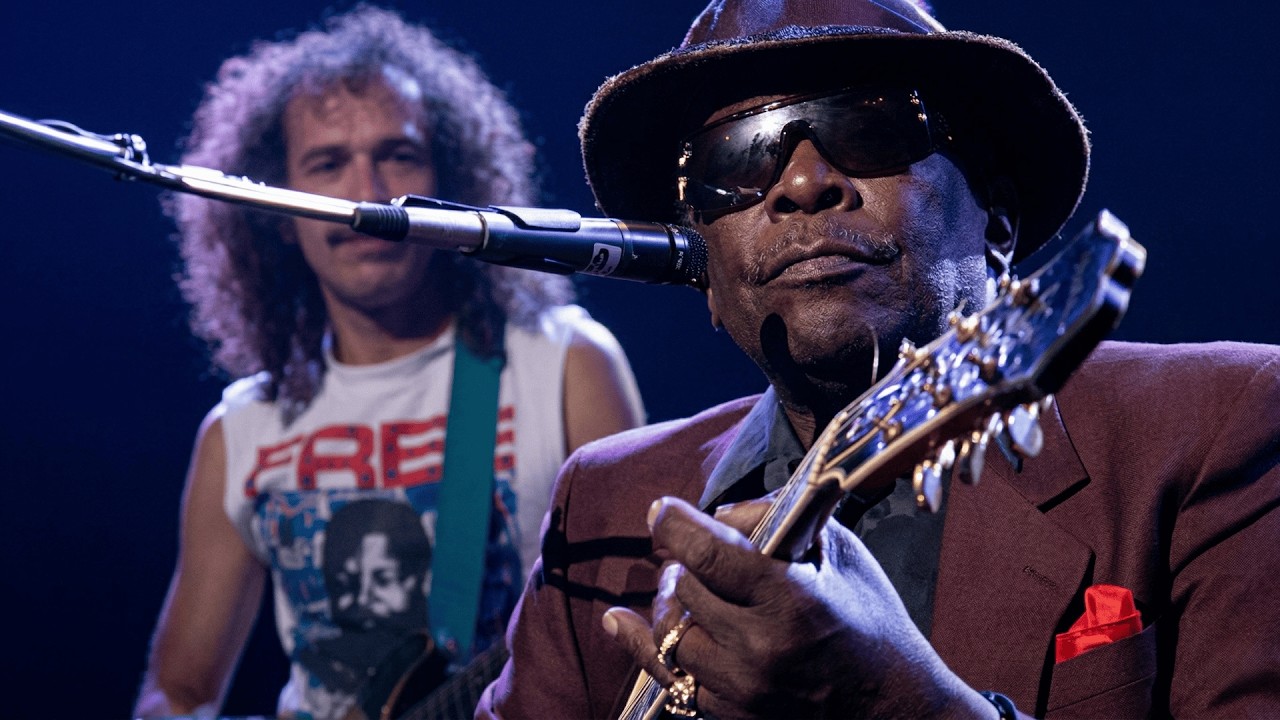
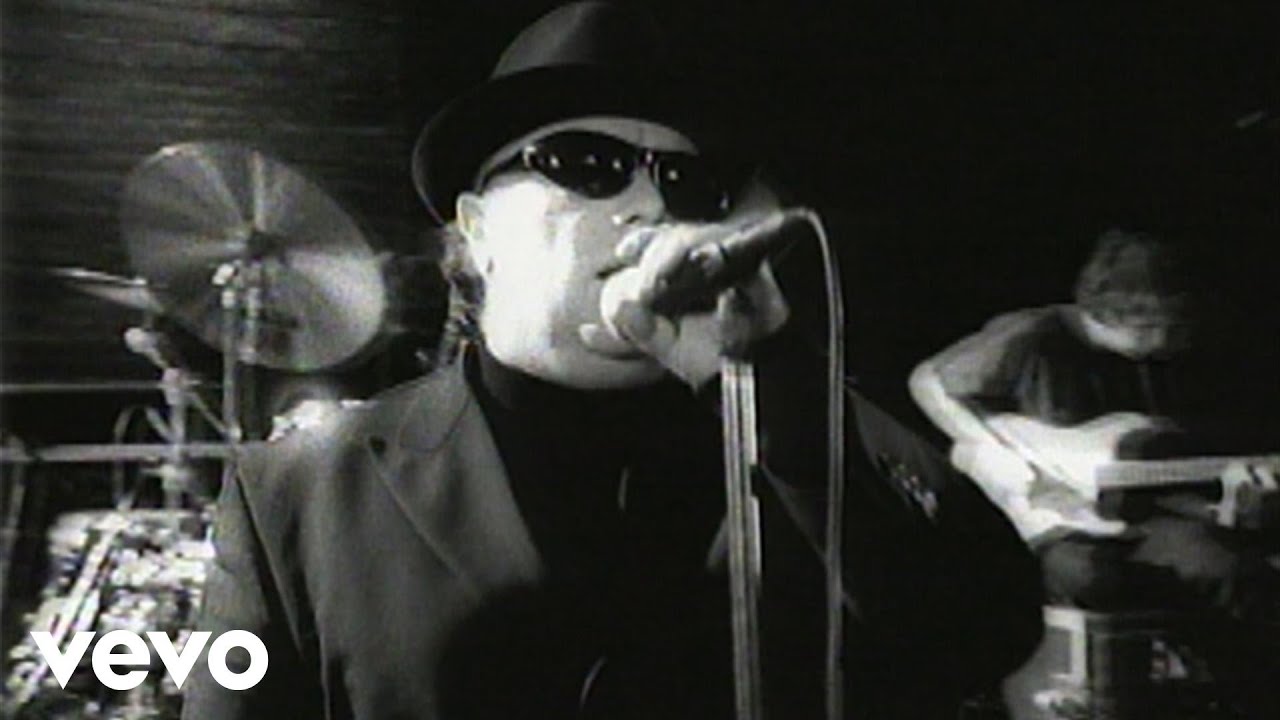
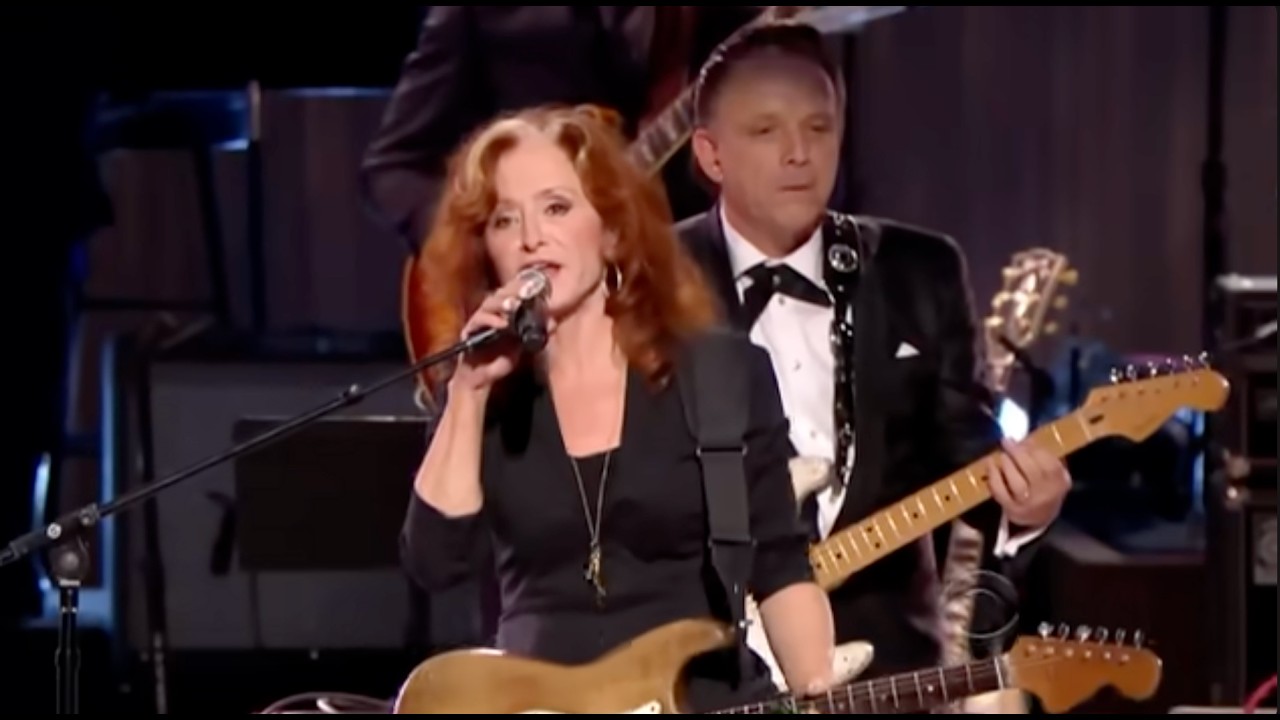
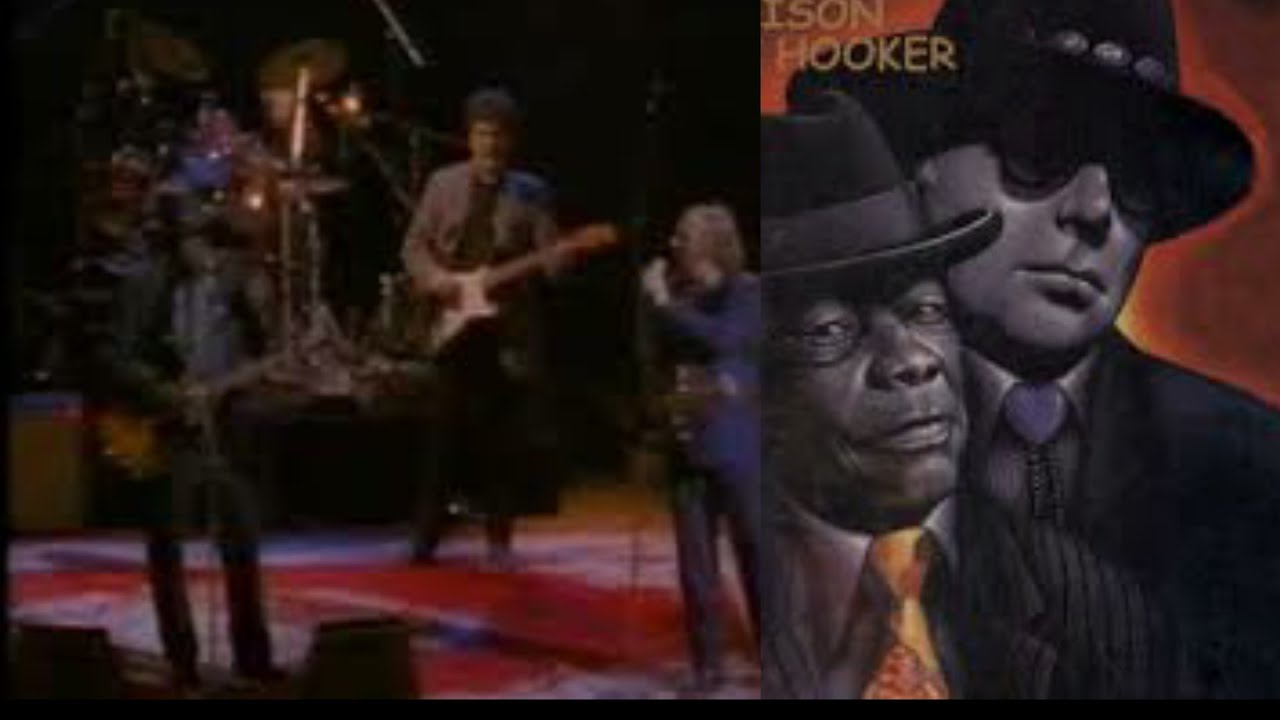
Boom boom, John Lee Hooker & Van Morrison
Автор: Mamen Wilson
Загружено: 2020-06-20
Просмотров: 8221
Описание:
"Boom Boom" was the song that crossed over, marking his only entry on the US Hot 100 and becoming his signature song. Hooker told Bruce Pollock how the song originated: "I used to play at this place called the Apex Bar in Detroit. There was a young lady there named Luilla. She was a bartender there. I would come in there at night and I'd never be on time. Every night the band would beat me there. Sometimes they'd be on the bandstand playing by the time I got there. I'd always be late and whenever I'd come in she'd point at me and say, 'Boom Boom, you're late again.' And she kept saying that. It dawned on me that that was a good name for a song. Then one night she said, 'Boom boom, I'm gonna shoot you down.' She gave me a song but she didn't know it.
Hooker didn't play this live for a long time because he feared that he wouldn't do it justice. He finally played it in his last two shows before his death.
“The people I was listening to never sold a lot of records. John Lee Hooker was never on the charts, so I was never in it from a commercial point of view. Other people expected things from my records, but I never did.“ (Van Morrison)
John Lee Hooker’s Tupelo Blues among David Bowie’s Top 25 Favorite Albums Of All Time
Bowie managed to name his top 25 records of all time. Among the list, there are shout outs for the likes for Robert Wyatt, John Lee Hooker, and many more.
John Lee Hooker became a friend of mine and I love all of his work. He was truly an icon. He lived the life. I miss him. (Mick Fleetwood)
No one told Miles Davis or BB King to pack it in. John Lee Hooker played literally up to the day he died. Why should pop musicians be any different? Paul Weller
(Quote Master)
"He was a throwback even in his own time," Keith Richards said. "Even Muddy Waters was sophisticated next to him." Hooker was a critical figure in the Sixties blues boom; his boogie became the basis for much of ZZ Top's early sound; his songs were covered by everyone from the Doors to Bruce Springsteen; and then, well after turning 70, he won four Grammys in the 1990s. "When I was a child," said Carlos Santana, "he was the first circus I wanted to run away with."
Rolling Stone (Dic-2015)
Boom Boom" fue la canción que cruzó, marcando su única entrada en el US Hot 100 y convirtiéndose en su canción de firma. Hooker le dijo a Bruce Pollock cómo la canción se originó:
"Solía tocar en este lugar llamado Apex Bar en Detroit. Allí había una joven llamada Luilla. Era una camarera allí. Llegaba allí de noche y nunca llegaría a tiempo Todas las noches la banda me golpeaba allí. A veces ellos estaban en el quiosco tocando cuando llegaba. Siempre llegaba tarde y cada vez que entraba me señalaba y decía: "Boom Boom, llegas tarde otra vez. Y ella seguía diciendo eso. Me di cuenta de que ese era un buen nombre para una canción. Luego, una noche, dijo: "Boom boom, voy a derribarte". Ella me dio una canción pero no lo sabía.
Hooker realizó esto cuando apareció en la película de 1980 The Blues Brothers . Fue la única película en la que Hooker apareció.
Hooker no tocó esto en vivo durante mucho tiempo porque temía no hacerle justicia. Finalmente lo jugó en sus últimos dos shows antes de su muerte.
“La gente que estaba escuchando nunca vendió muchos discos. John Lee Hooker nunca estuvo en las listas, por lo que nunca estuve en él desde un punto de vista comercial. Otras personas esperaban cosas de mis registros, pero nunca lo hice” Van Morrison
Tupelo Blues de John Lee Hooker entre los 25 mejores álbumes favoritos de David Bowie de todos los tiempos. Bowie logró nombrar sus 25 mejores registros de todos los tiempos. Entre la lista, hay agradecimientos para los gustos de Robert Wyatt, John Lee Hooker, y muchos más.
John Lee Hooker es el hombre más funky vivo (Miles Davis)
John Lee Hooker se hizo amigo mío y amo todo su trabajo. Realmente fue un ícono. El vivió la vida. Le extraño. (Mick Fleetwood)
Nadie le dijo a Miles Davis o BB King que lo empacaran. John Lee Hooker jugó literalmente hasta el día de su muerte. ¿Por qué los músicos pop deberían ser diferentes? Paul Weller
"Fue un retroceso incluso en su propio tiempo", dijo Keith Richards . "Incluso Muddy Waters era sofisticado a su lado". Hooker fue una figura crítica en el boom del blues de los años sesenta; su boogie se convirtió en la base de gran parte de ZZ TopSonido temprano; sus canciones fueron cubiertas por todos, desde The Doors hasta Bruce Springsteen ; y luego, después de cumplir 70 años, ganó cuatro Grammys en la década de 1990. "Cuando era niño", dijo Carlos Santana , "fue el primer circo con el que quería escapar".
Повторяем попытку...
Доступные форматы для скачивания:
Скачать видео
-
Информация по загрузке: