Engineers Called His B-25 Gunship "Impossible" — Until It Sank 12 Japanese Ships in 3 Days
Автор: WW2 History Records
Загружено: 2026-02-26
Просмотров: 151
Описание:
#worldwar2 #ww2history #ww2
Why Captain Paul "Pappy" Gunn crammed 14 machine guns into B-25 bombers during WW2 — and sank 12 Japanese ships in 3 days. This World War 2 story reveals how one mechanic's "impossible" field modification became the Pacific's deadliest weapon.
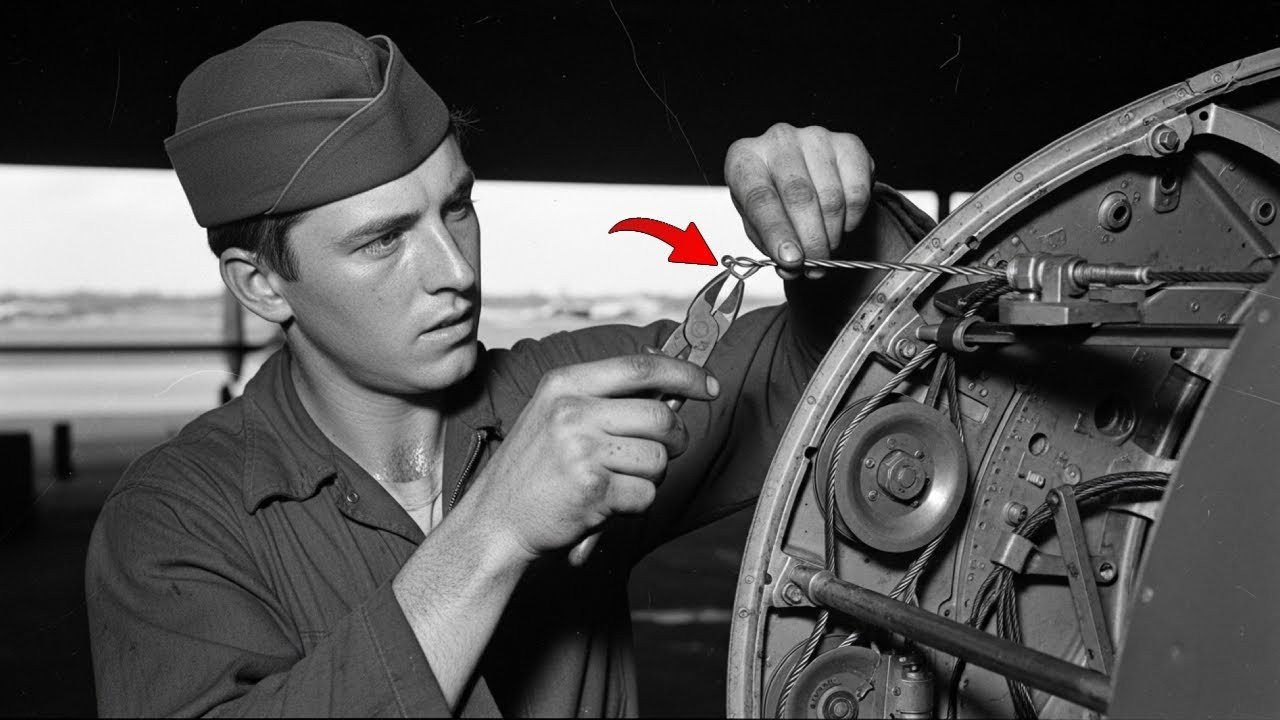
August 17, 1942. Captain Paul Gunn, Fifth Air Force special projects officer, Brisbane Australia. Japanese convoys were reinforcing New Guinea unopposed while Allied bombers missed from high altitude. Gunn welded four fifty-caliber machine guns into an A-20 Havoc's nose where the bombardier sat, then added ten more guns to B-25 Mitchells. Every engineering manual said the center of gravity would be wrong. Wright Field engineers called it impractical and dangerous, ordering all modified aircraft grounded immediately.
They were all wrong.
What Gunn discovered that December wasn't about following regulations. It was about overwhelming ship defenses with concentrated forward firepower in a way that contradicted everything Wright Field taught. By the end of March 3, 1943 — the Battle of the Bismarck Sea — every strafer pilot started doing what Gunn had done. Eight transports sunk. Four destroyers destroyed. They survived because Gunn ignored the experts.
This technique spread unofficially through Fifth Air Force squadrons, mechanic to mechanic, saving thousands of lives before Wright Field admitted it worked. North American Aviation built 5,000 strafer variants based on Gunn's modifications. The gunship principles discovered at Eagle Farm airfield continue to influence AC-130s and modern attack aircraft today.
🔔 Subscribe for more untold WW2 stories: /
👍 Like this video if you learned something new
💬 Comment below: What other WW2 tactics should we cover?
#worldwar2 #ww2history #ww2 #wwii #ww2records
Повторяем попытку...

Доступные форматы для скачивания:
Скачать видео
-
Информация по загрузке: