Riding The Load: How Farmers Haul Tree Branches With A Small Car
Автор: The Rustic Pantry
Загружено: 2026-06-09
Просмотров: 44234
Описание:
Makeshift Hauling: Rural Resourcefulness For Oversized Field Loads
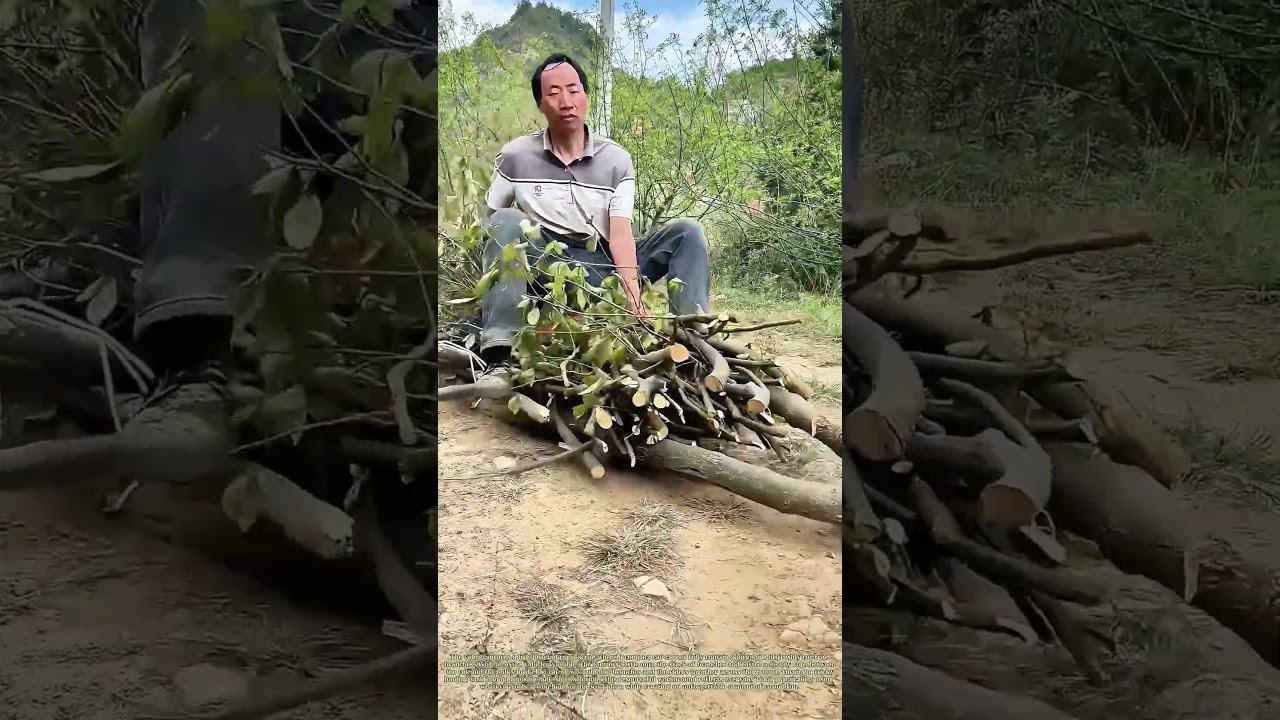
For generations, people living in rural areas have learned to adapt when standard tools and vehicles fall short of their needs. Collecting trimmed tree branches is a regular chore around farmland and homesteads, and these tangled wooden scraps are often awkwardly sized and far bulkier than they appear. Small passenger cars are never designed to carry large piles of branches, as their cargo space and weight limits are built for daily travel rather than farm hauling. When no pickup truck or utility trailer is nearby, local residents turn to simple ropes and creative arrangements to move materials over short distances. Riding atop the branch pile while being towed is a casual, low-risk method for short trips across flat ground, a trick born from long experience working with limited resources. This kind of quick thinking is not about following formal rules, but about solving immediate problems with what is readily available, blending practical labor with the easygoing spirit of rural life.
• Thick natural branches have irregular shapes that make them hard to stack neatly inside a standard car, leaving most of the load sticking outside the vehicle.
• Securing a strong rope between the car and the branch pile keeps the load connected during movement, preventing it from sliding away on flat ground.
• Sitting directly on top of the branches lets the farmers keep the pile balanced, shifting their weight gently to stop the load from tipping side to side.
• This tow method works best for short-distance travel on smooth paths or roads, where high speeds and sharp turns are not required.
• Using a passenger car for towing eliminates the need to wait for larger farm vehicles, saving time right after finishing tree trimming work.
• The tangled structure of tree branches creates a stable surface to sit on, so riders stay positioned without slipping during slow movement.
• Farmers rely on basic rope-tying skills passed down locally to ensure connections stay tight throughout the entire trip.
• Moving branches this way cuts down on multiple trips back and forth, allowing the whole harvest of trimmings to be transported in one go.
• Everyone involved keeps a relaxed pace, knowing slow speed is key to maintaining safety while towing an unusual load with riders onboard.
• This informal hauling style is common in quiet rural neighborhoods, where traffic is light and residents understand one another’s practical workarounds.
• After arriving at their destination, the rope can be untied quickly, and the branches unloaded without complicated equipment or extra steps.
• Moments like this often bring laughter among the group, turning a routine farm chore into a light memory shared between neighbors and family.
• Working with limited transportation teaches people to assess load size, ground conditions and speed to avoid unnecessary trouble on the way.
• Even with this casual approach, the farmers stay alert to obstacles along the path, adjusting their balance whenever the load shifts slightly.
Every slow roll forward and every gentle adjustment of balance tells a story about life rooted in practicality and adaptability. What looks like an unusual or amusing sight to onlookers is simply rural people working with what they have, turning a transportation challenge into a simple, effective solution. There is no fancy machinery or complex setup here, only hands-on wisdom built over years of living and working close to the land. In these small, unplanned moments, we see how resourcefulness and a relaxed attitude make even the most awkward tasks feel manageable, reminding us that ingenuity always turns limitations into workable answers.
Повторяем попытку...
Доступные форматы для скачивания:
Скачать видео
-
Информация по загрузке: